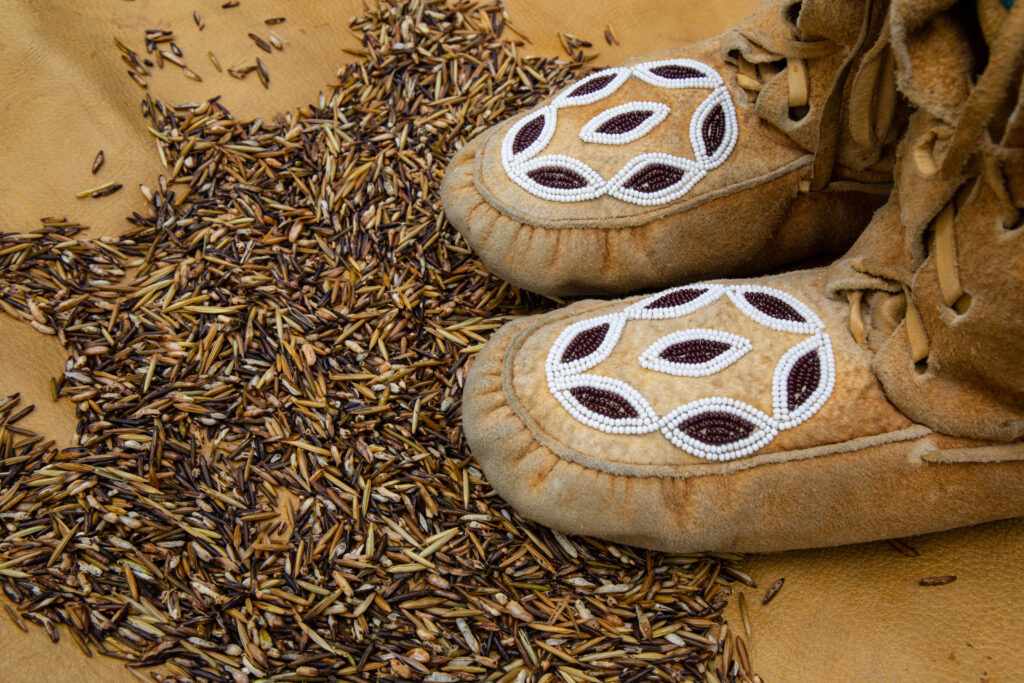
1. It’s the Seed of an Aquatic Grass (Not a True Rice)
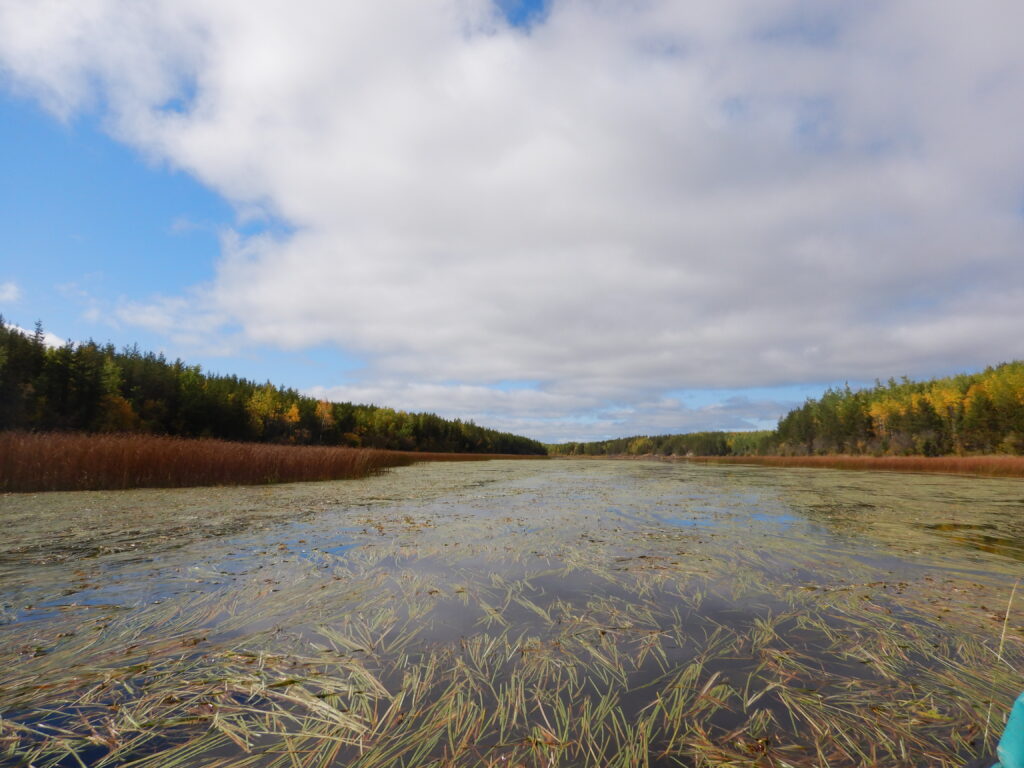
Manoomin has the chewy texture and nutty flavour of rice, but it’s actually the edible seed of a tall, aquatic grass. It only looks like rice when it’s finished growing. It starts out below the water’s surface. In late spring, it sends up thin, green blades that lie flat and look like patches of floating grass. Throughout summer, the plants develop flowers and grow taller, reaching up to 10 feet out of the water, toward the sky.
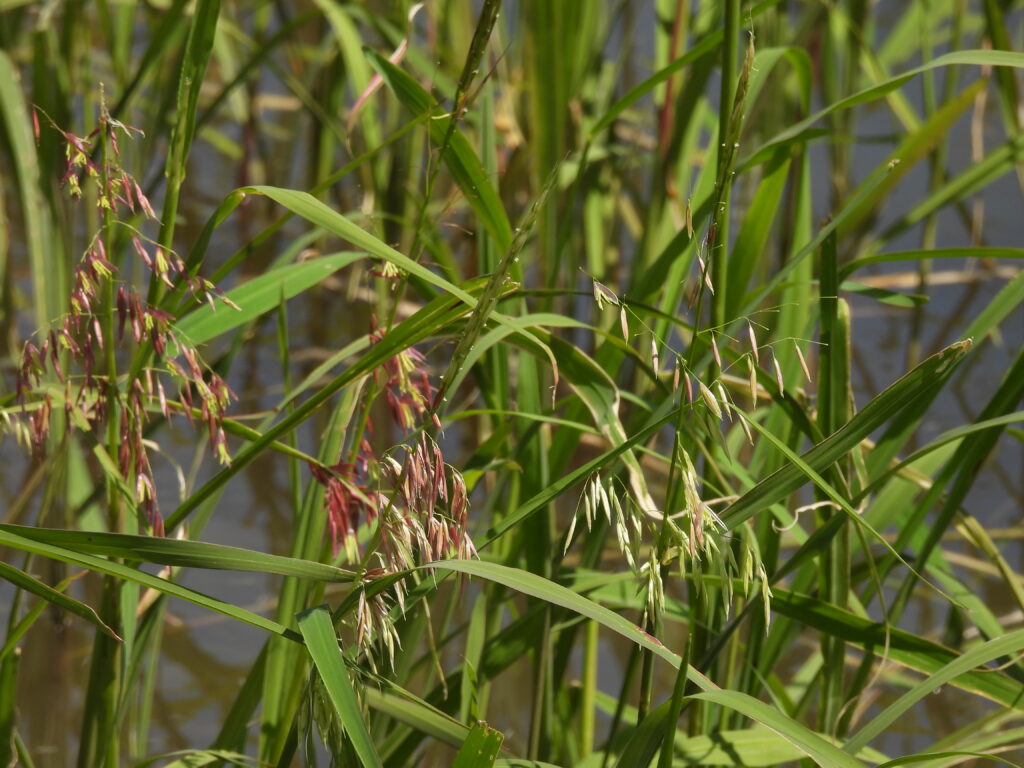
By early fall, the flowers develop into the dark kernels that are ready for harvest.
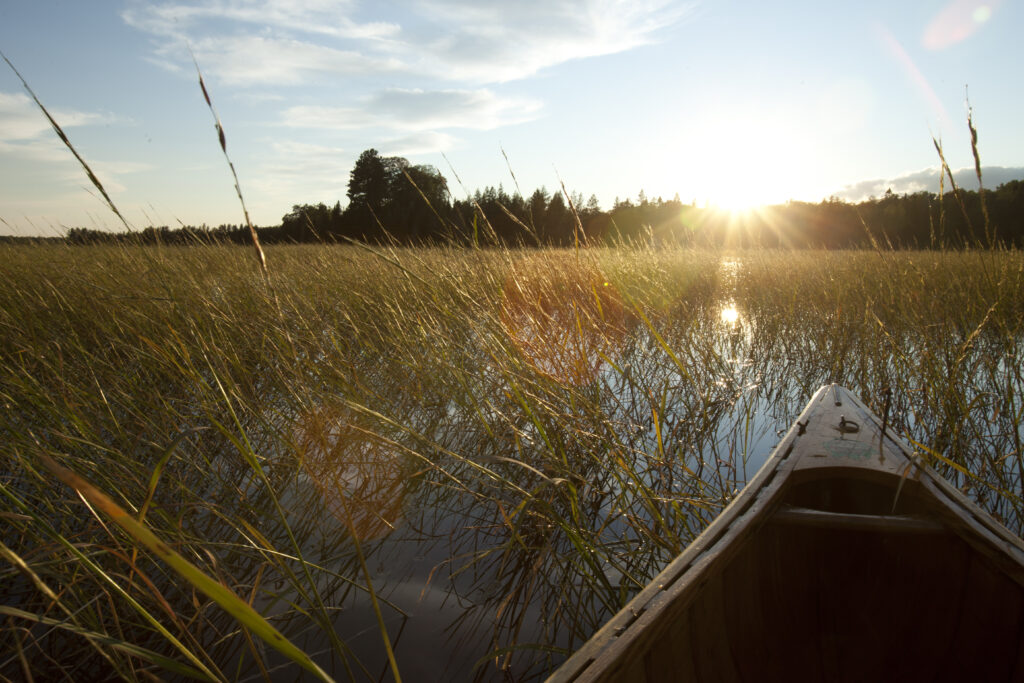
2. It Sustains the Boreal Forest (And is Ideal for Hunting)
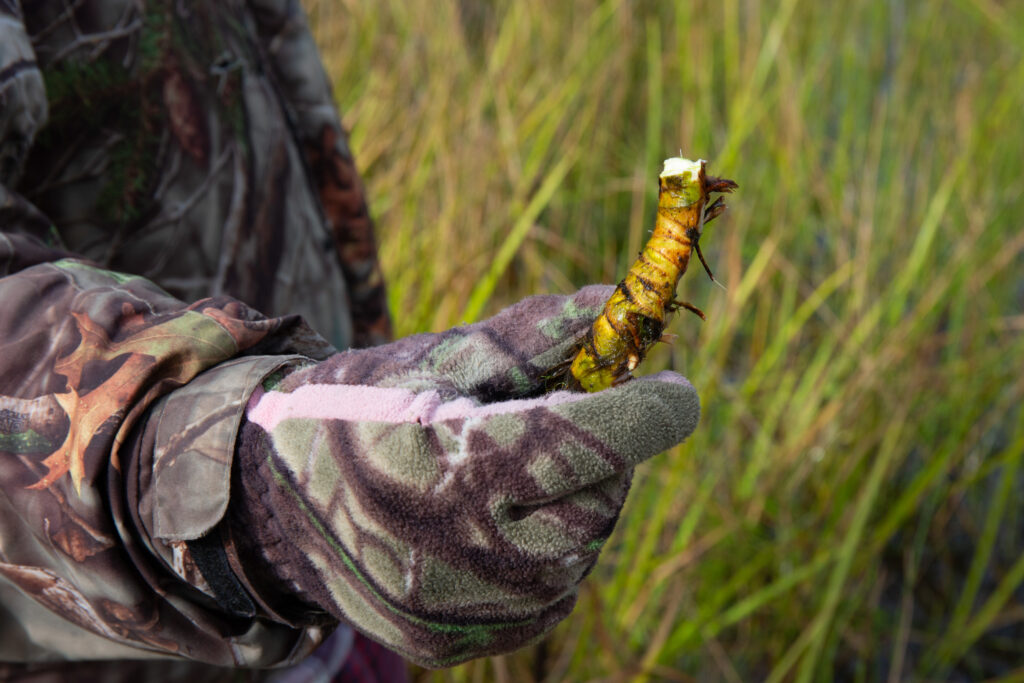
Manoomin stands provide food and shelter for an abundance of wildlife, including millions of resident and migratory birds, and ducks, geese, and muskrats. The rice beds are also good places to hunt because they attract waterfowl, beaver, and moose, which are traditional food sources for Anishinaabeg. The shallow edges of the rice stands are also important as they provide the perfect habitat for the medicinal plant wiikenzh (sweet flag).
3. It Kept Early Traders Alive (And Could Fetch up to $20 a Pound in 1980)
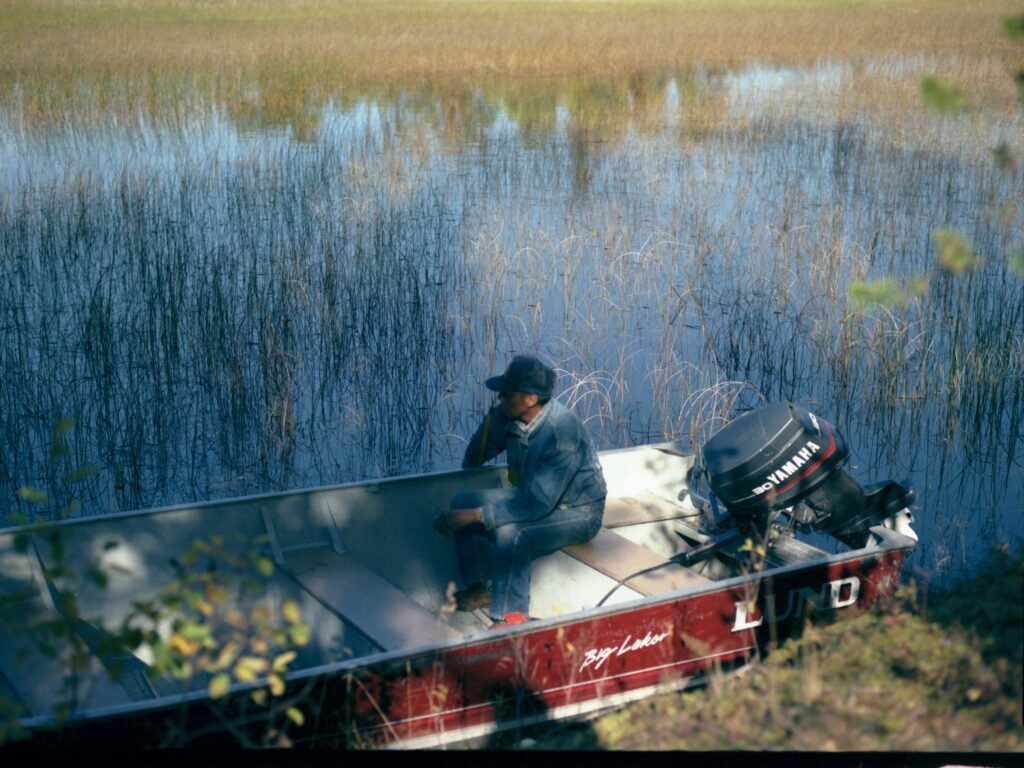
Long before it was considered a gourmet food, traders and settlers traded guns and axes for manoomin. They needed the nutrition to help get through the cold winters. Hundreds of years later, manoomin’s value was still strong. In 1980, “true” manoomin harvested by hand was rare and could be sold for up to $20 a pound. Today, wild rice harvested by machines in man-made paddies is readily available and less expensive than manoomin harvested by hand. Prices vary but machine harvested wild rice averages $10/lb while hand harvested can be found for more than three times that price.
The Indigenous Environmental Network states that harvesting manoomin by hand is an act of Indigenous food soveereignty for Anishinaabeg:
“The act of getting together to harvest, and roast, or ‘parch’ manoomin by hand over a fire, is a revolutionary act in times of industrial, easy, and cheap food that disconnects us from our environment and from our community.”
Indigenous Environmental Network
4. It Is Processed Using Fire, Moccasins, and the Wind
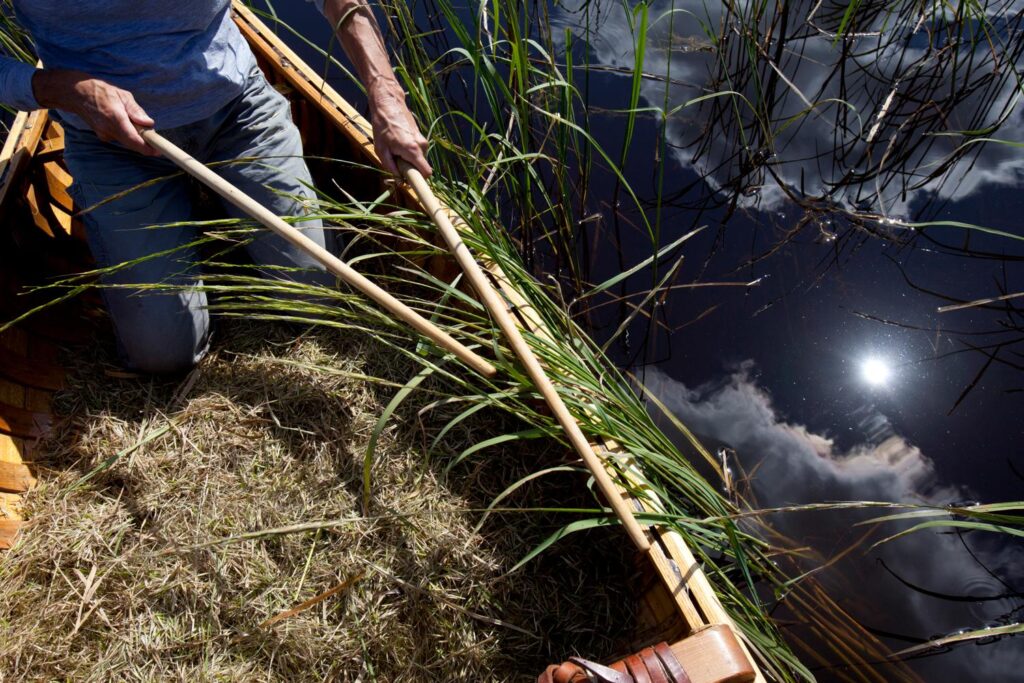
It takes numerous, laborious steps and a lot of traditional knowledge to get manoomin from the water to the canoe to the community. Once harvested, the rice has to be dried by heating it over an open fire and lightly charring the husks without burning the grain inside. Next comes dancing the rice—stepping on it with moccasins and twisting side-to-side to separate the husks from the kernels. And finally, tossing the rice into the air so that the wind can blow away the chaff.
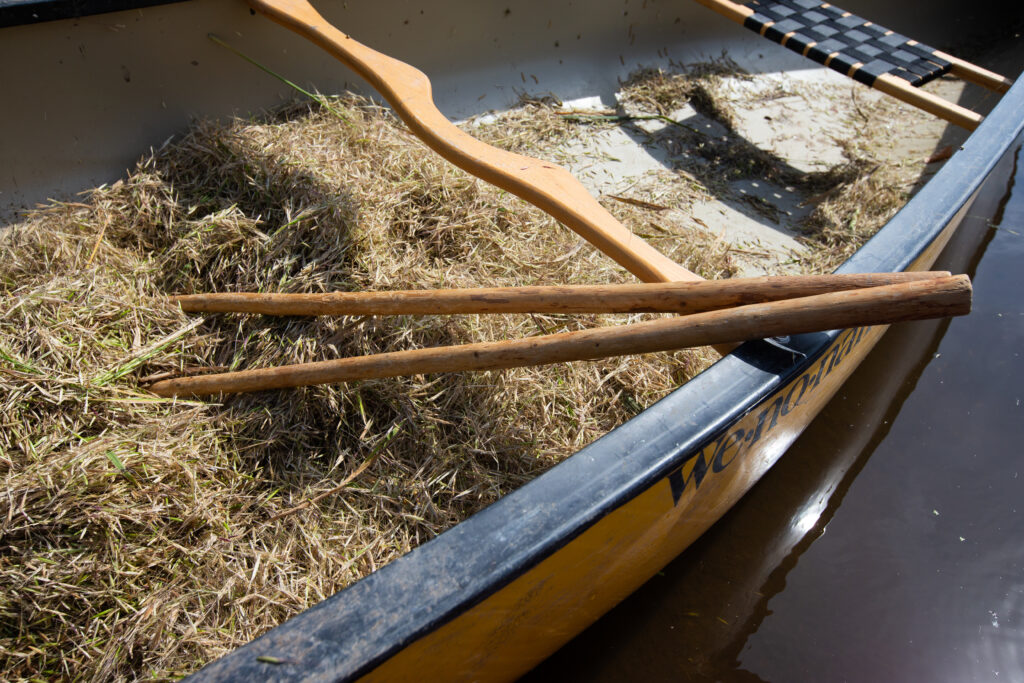
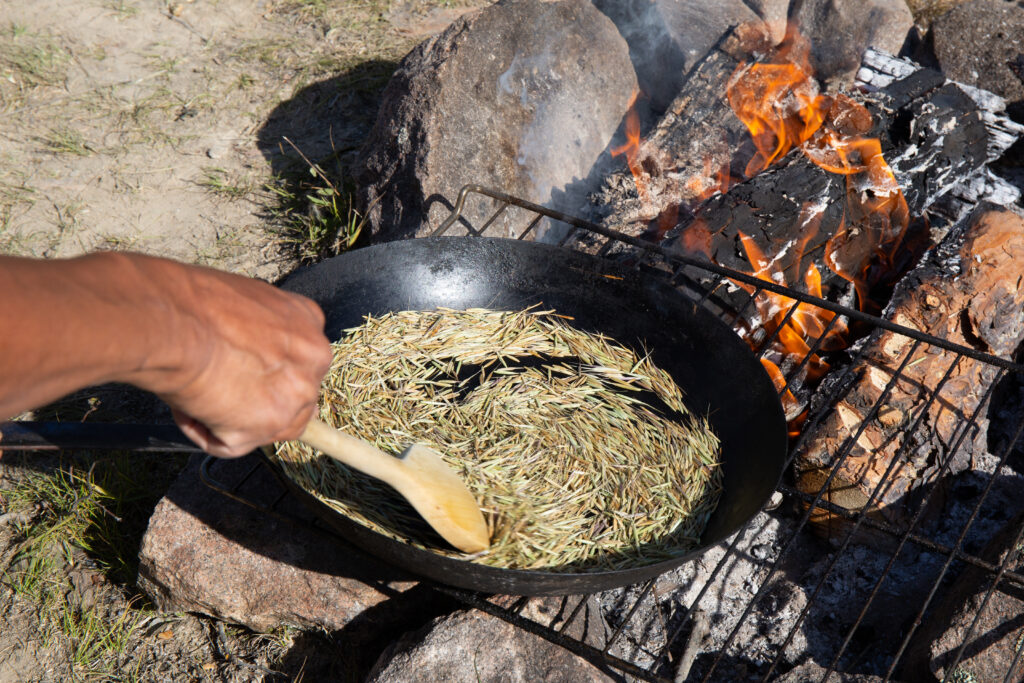
The late Joe Owen explains the harvesting process he learned from his dad: https://pimaki.ca/how-to-harvest-manoomin-wild-rice/
5. An NFB Film Feared It Would Disappear (But the Tradition Remains Strong)
In 1980, the National Film Board (NFB) of Canada produced a short film called Rice Harvest, which follows families from Pauingassi First Nation as they harvest manoomin to sell to bush pilots. At the time, the film lamented that, like the fur trade, “the annual harvesting of wild rice may become the stuff of songs and legends.” We are proud that forty-six years later, manoominikewin (tending of wild rice stands) remains strong across Pimachiowin Aki.
Watch the 12-minute film: https://www.youtube.com/embed/UZUc_FQxPDY
Feature photo: © Ōtake Hidehiro