• Skip to primary navigation
  • Skip to main content
  • Skip to footer

Pimachiowin Aki

World Heritage Site

  • News
  • Resources
  • Visit
  • Home
  • Shop
  • Donate
  • Contact
  • About Us
    • Pimachiowin Aki Assembly of Partners
    • Board of Directors
    • Timeline
    • Communities
      • Bloodvein River First Nation
      • Little Grand Rapids First Nation
      • Pauingassi First Nation
      • Poplar River First Nation
    • Annual Reports
  • Keeping the Land
    • Our Work
    • Cultural Heritage
    • Wildlife and Habitat
    • Sustainable Economies
    • Guardians Program
      • Colin
      • Melba
      • Owen
      • Dennis
    • Education
  • The Land That Gives Life
    • Boreal Forest
    • Calendars
    • Climate
    • Cultural Sites
    • Habitation
    • Harvesting
    • Language
    • Named Places
    • Plants
    • Travel Routes
    • Water
    • Wildfire
    • Wildlife
  • Fast Facts
  • Search
  • Facebook
  • Twitter
  • Instagram
  • YouTube

Food

7 Days of Cultural Experiences

June 23, 2026

LnRiLWhlYWRpbmcuaGFzLWJhY2tncm91bmR7cGFkZGluZzowfQ==
IEBtZWRpYSBvbmx5IHNjcmVlbiBhbmQgKG1heC13aWR0aDogNzgxcHgpIHsgICB9IEBtZWRpYSBvbmx5IHNjcmVlbiBhbmQgKG1heC13aWR0aDogNTk5cHgpIHsgICB9IA==

Photographer Ōtake Hidehiro shares notes and photos from his time in Poplar River First Nation.

1. Sunday

Evening | Arrival

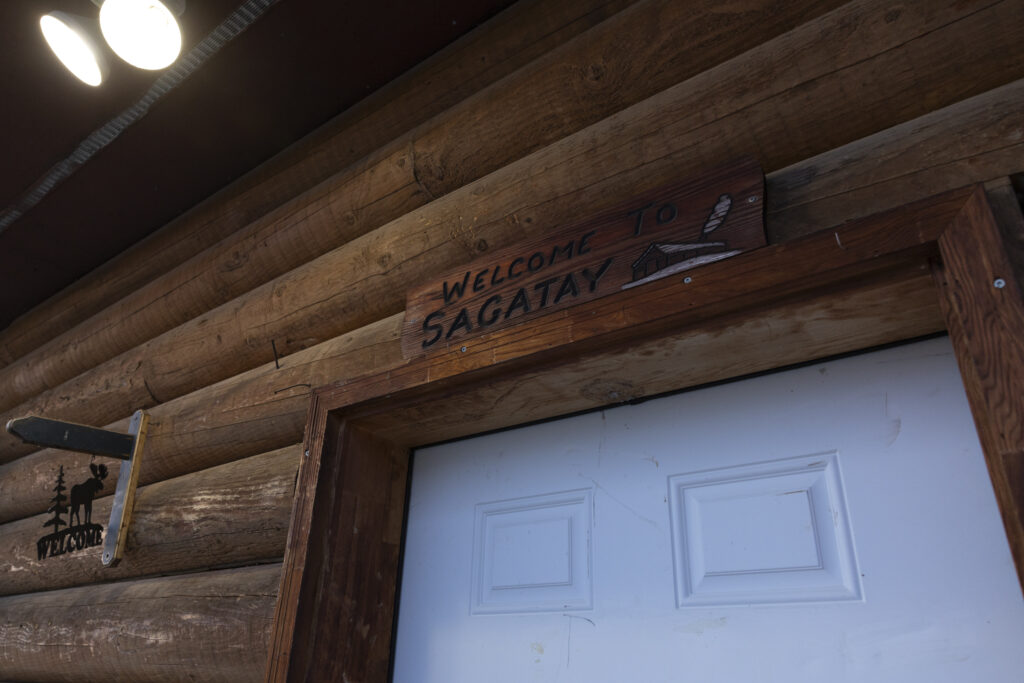
I’m currently enjoying my stay comfortably at Sagatay Lodge in Poplar River.
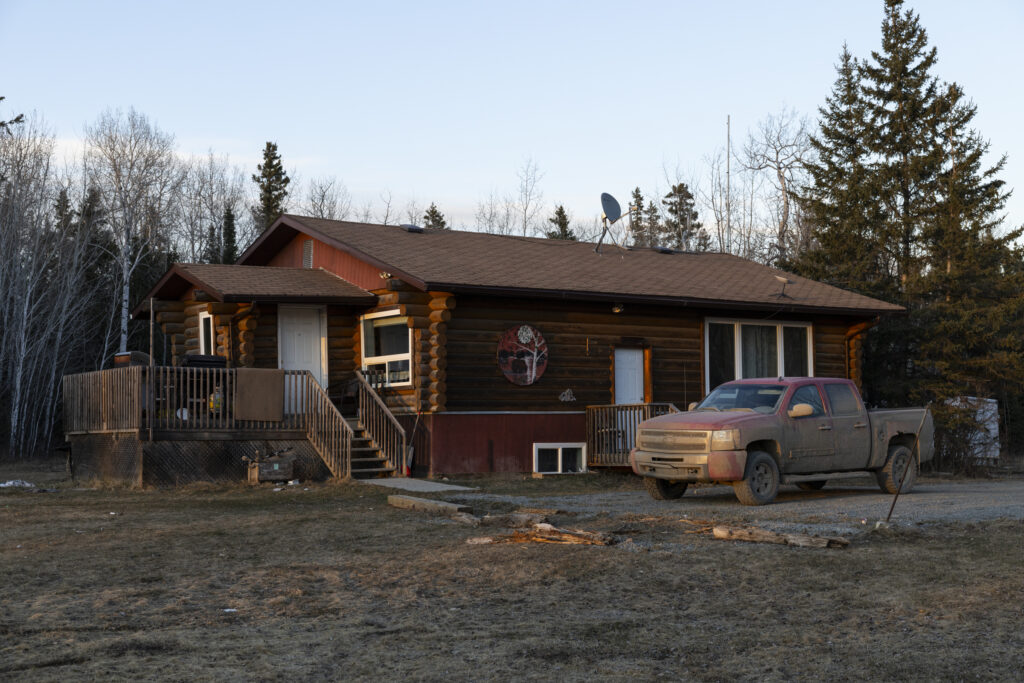
As soon as I arrived, Ray came to pick me up, and we were happy to see each other again. I also got to see Sophia and Norway—everyone is doing well.

Of course, it was wonderful to see Paul again as well. His big smile is as charming as ever. He has become very successful as a comedian and now stars in and writes for the popular TV series Acting Good. He’ll be returning to Winnipeg tomorrow to continue filming Season 5.
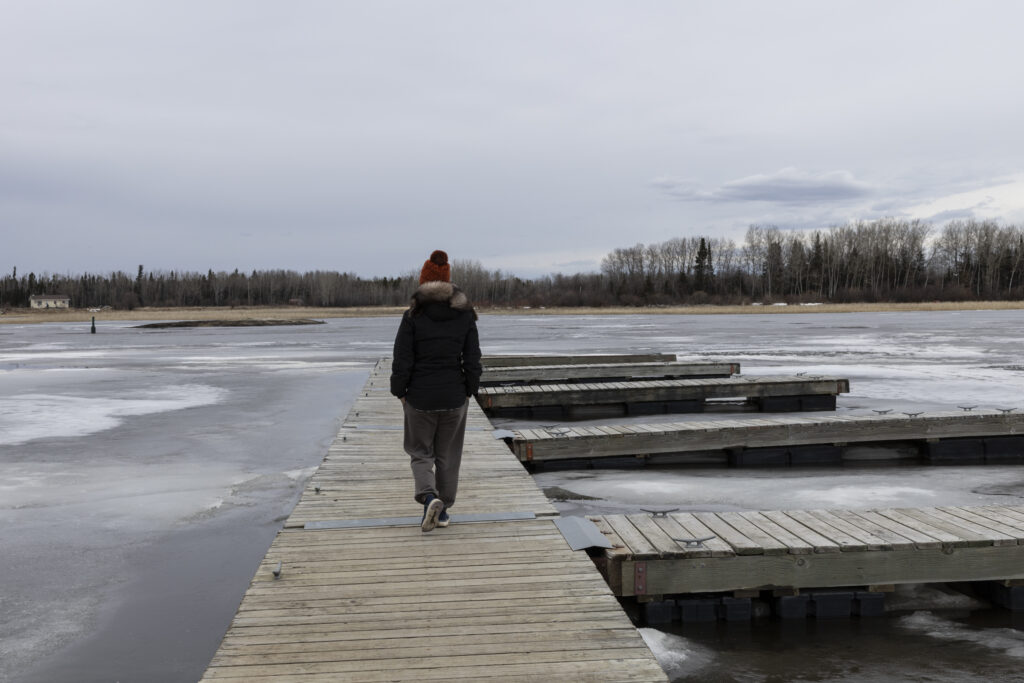
I was also happy to make a new friend, Mumilaaq, who is from Baker Lake in Nunavut. In the evening, she drove me around town and showed me the area. The dock at Fishing Station was still frozen.

2. Monday 

Morning | Snowfall
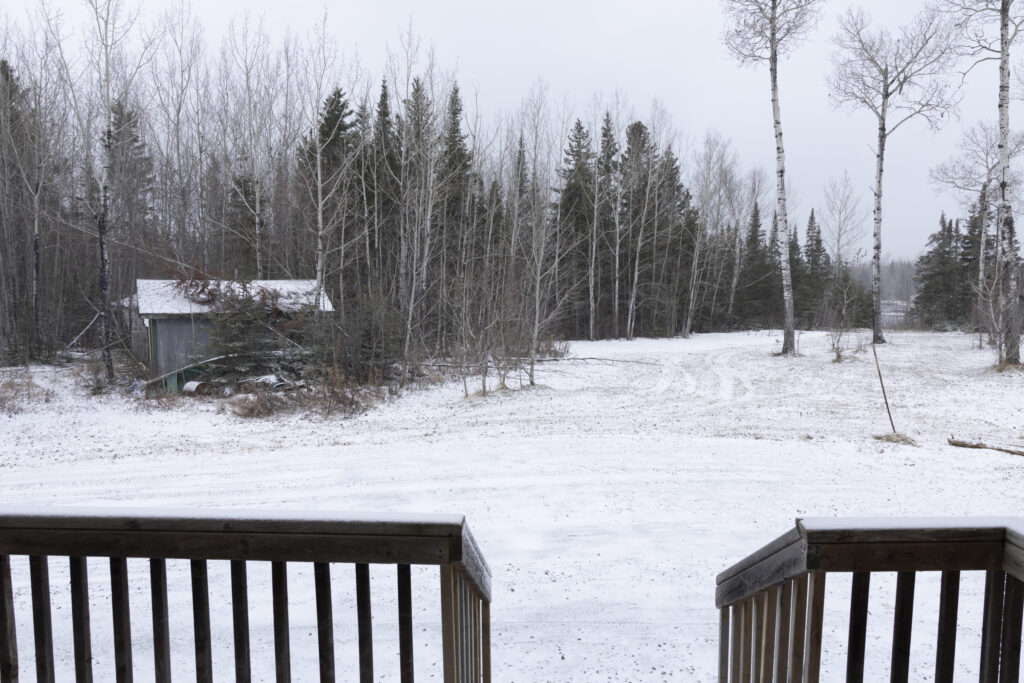
I was surprised to wake up to a snowy landscape—winter seems long this year.

Evening | Dance Workshop
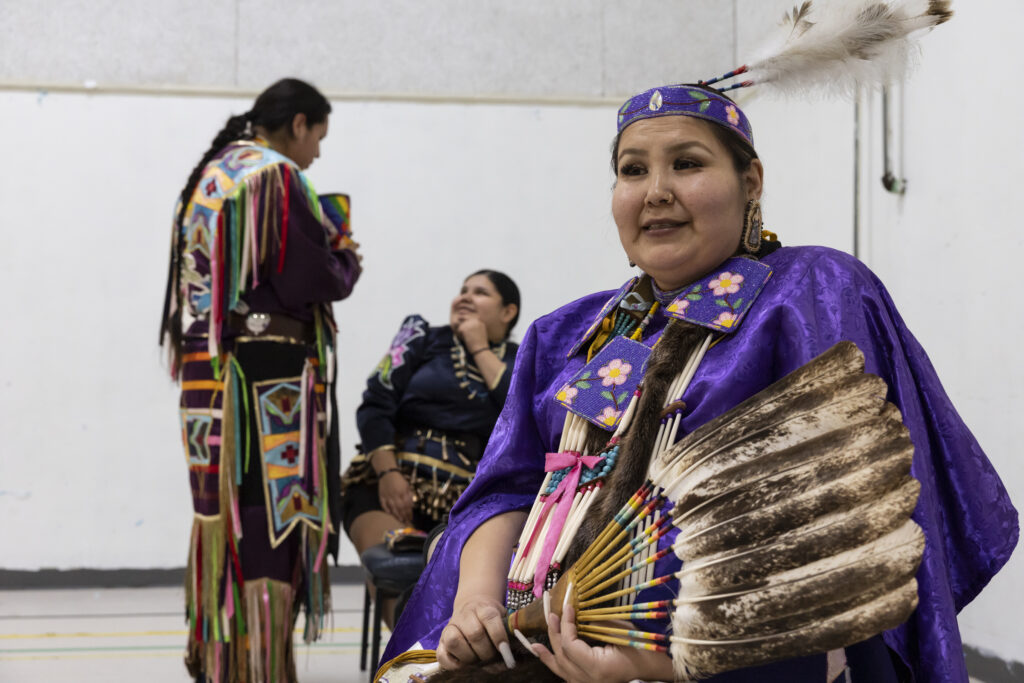
A family from Winnipeg who teaches dance arrived. They hold monthly workshops. The family consists of Tahnee Flett, the mother, and her children Dreyden and Jayden. They are originally from Opaskwayak Cree Nation but have lived in Winnipeg for 20 years.
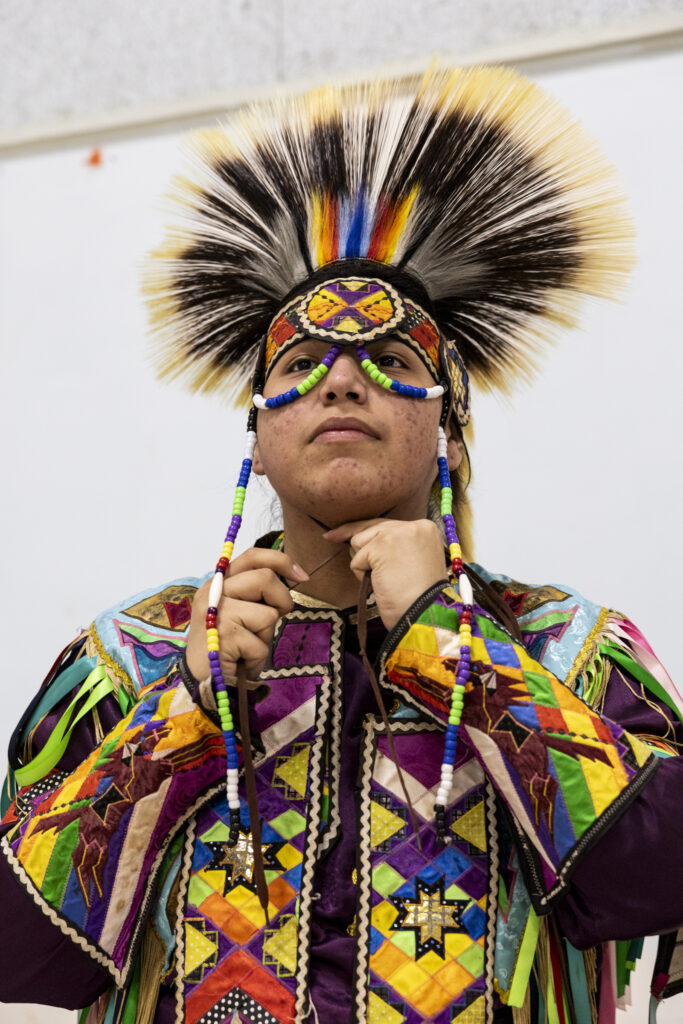
Dreyden, from a young age, has been a Glassdance dancer and began using a sewing machine during COVID. He has explored everything from traditional regalia to high-fashion design, runs his own brand, models internationally—including in New York and Tokyo next month—and, I heard, has even received comments from Lady Gaga! The family travels to Indigenous communities, sharing teachings through dance.

The workshop, held at 7pm in the old school gym, lasted about two hours. It was the second session, with the first one taking place two weeks ago. 
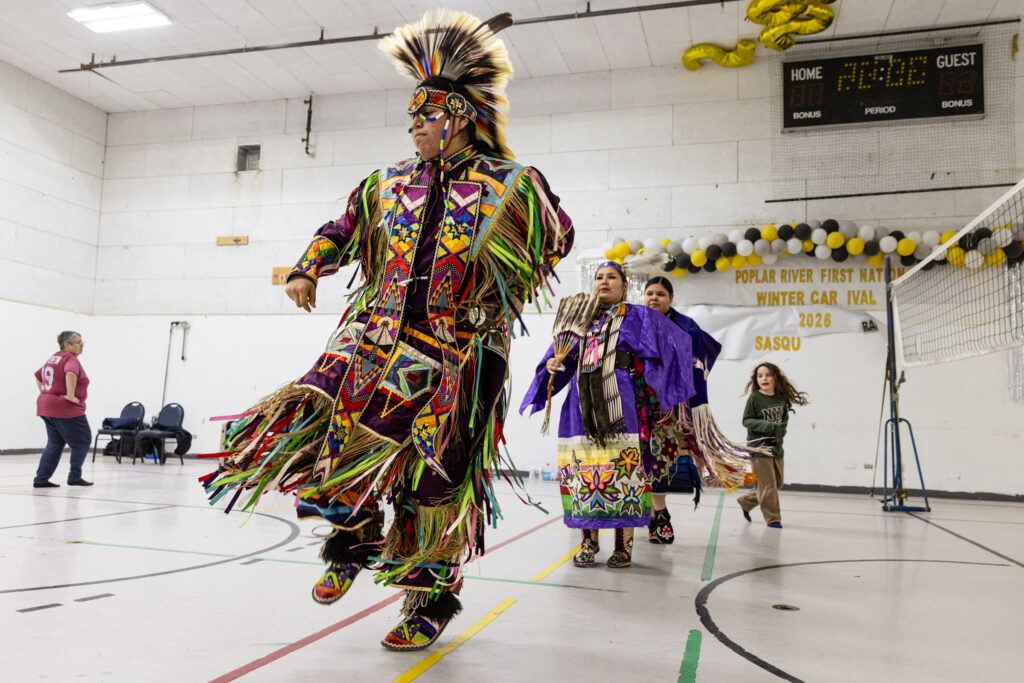
The session included dances as an opening ceremony, warm-ups, Glass Dance, Jingle Dance, and Traditional Dance. Participants could choose which dances to practice, move to the drum rhythm, play a stopping game, and end with a closing dance.
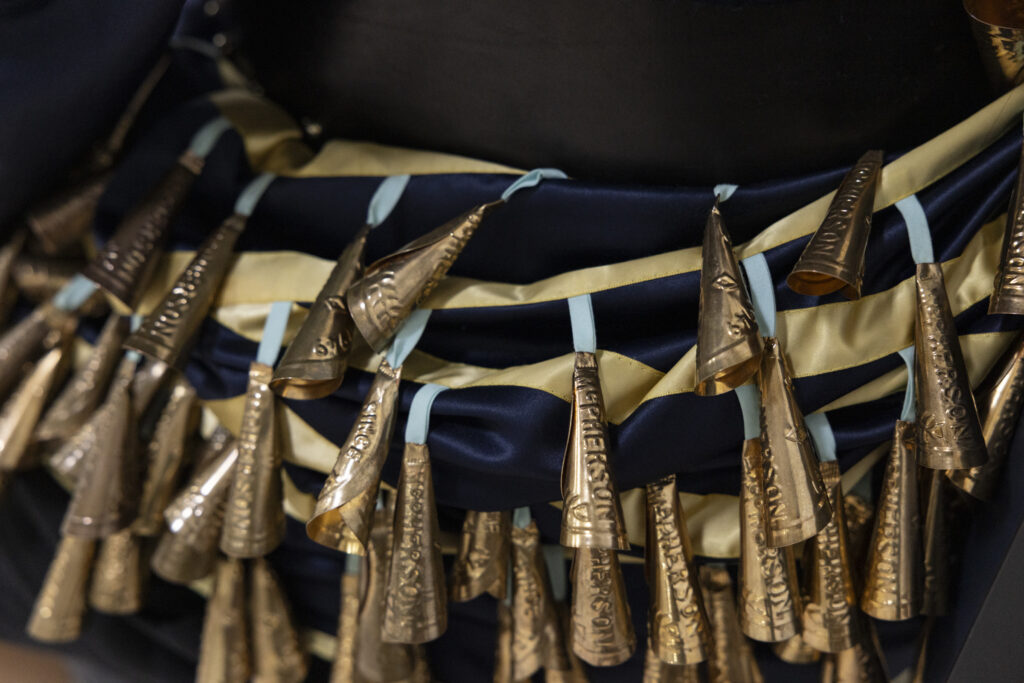
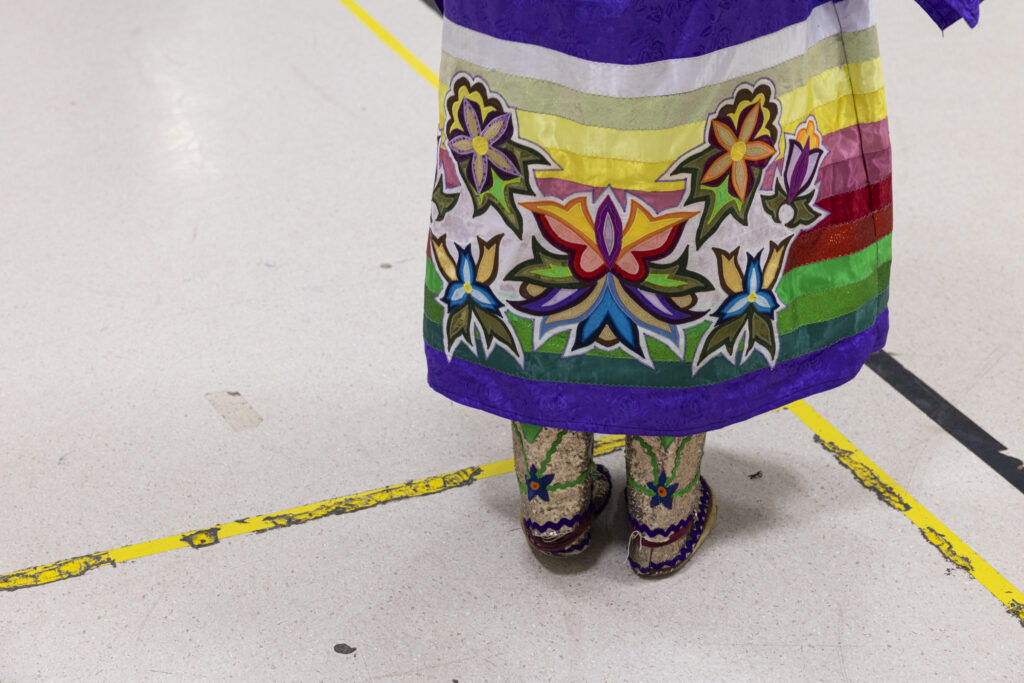
The Flett Family will return in two weeks.

3. Tuesday

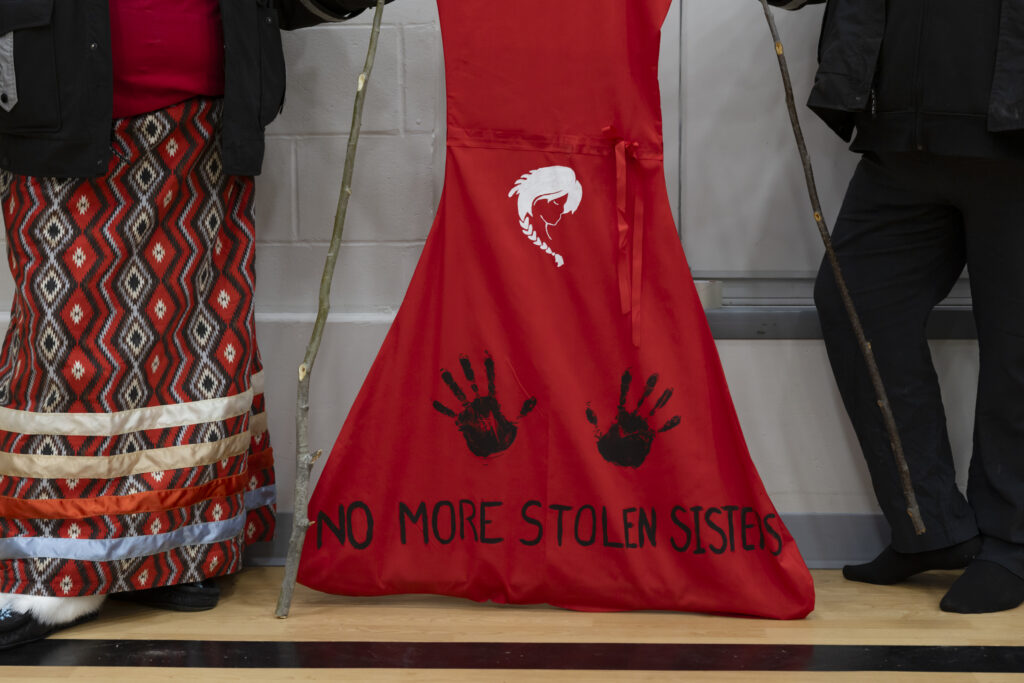
Afternoon | MMIWG 2SLGBTQI+ Event
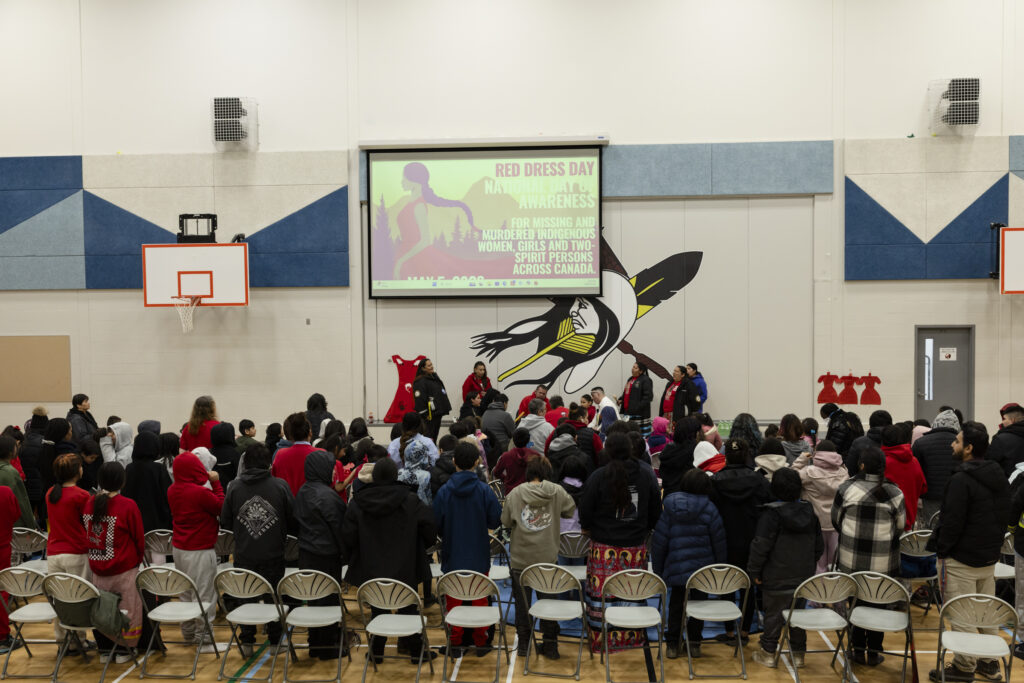
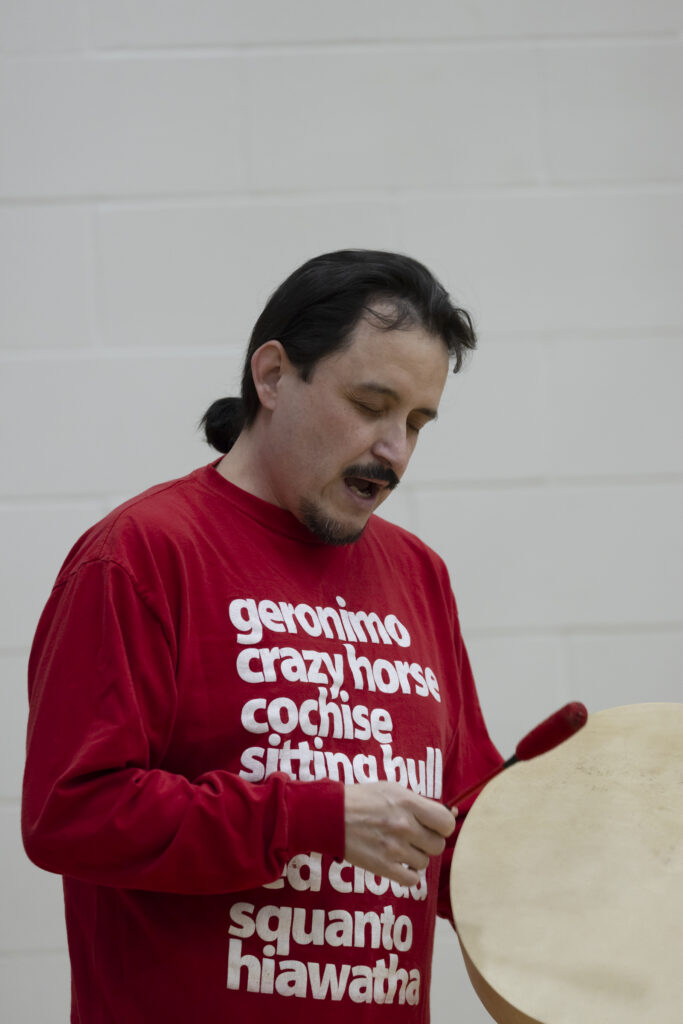
We gathered at the school at 1pm for a Missing and Murdered Indigenous Women, Girls, and 2SLGBTQI+ event, which began with a drum performance.
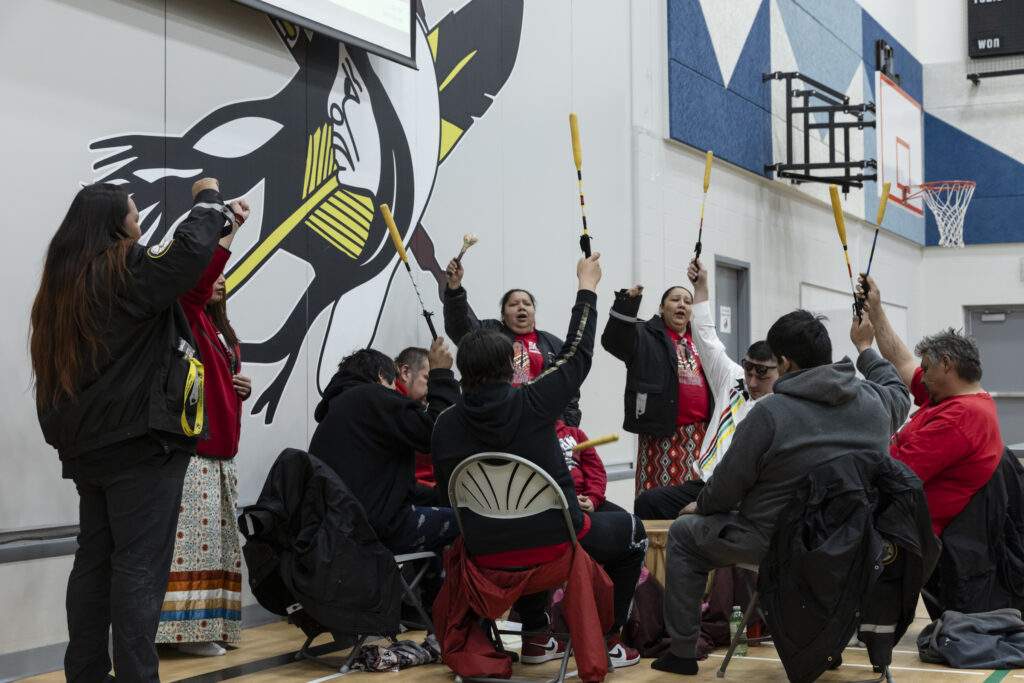
I was given permission to take photos, and I considered it a great honour to be entrusted with that opportunity. 
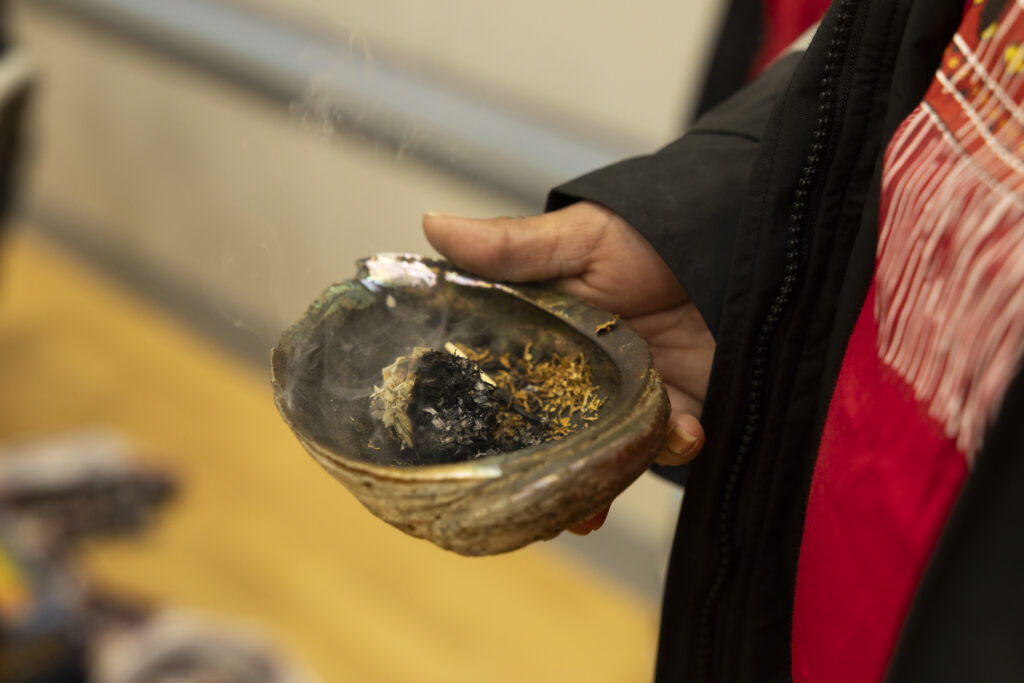
After that, was the Norway Requiem, followed by a speech from Sophia, and several memorial speeches.

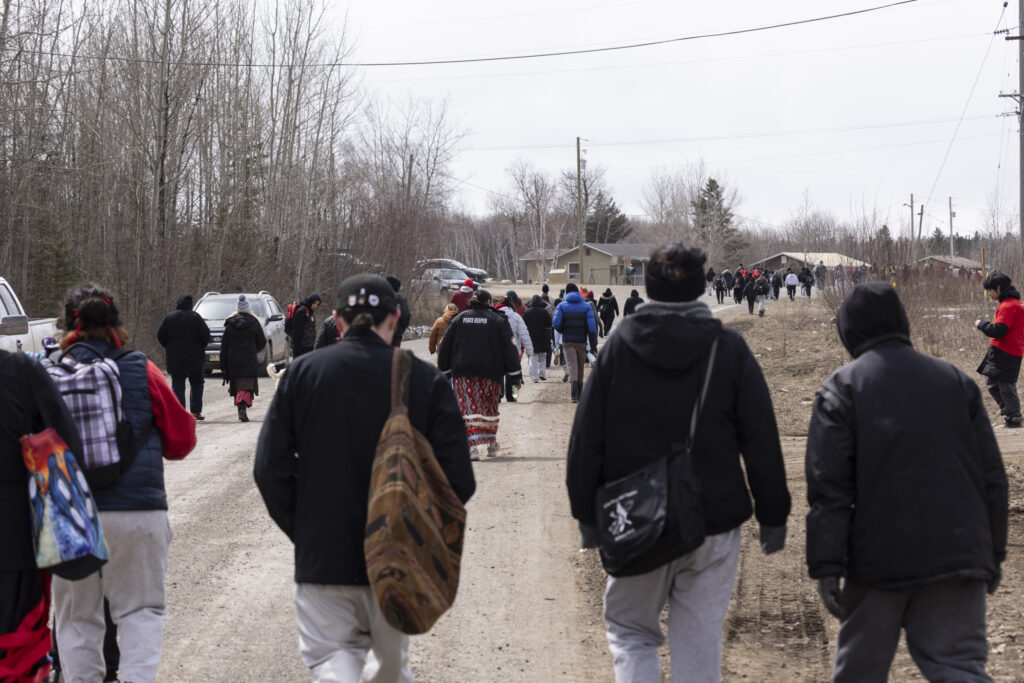
Students in grades 5–12 marched to the Band Office, while younger children marched around the school. I joined everyone and walked to the Band Office. There, I greeted the Chief, Council members, and office staff.

Back in 2012, I was asked to photograph portraits of Residential School survivors. Apparently, the book featuring those portraits is often used as school teaching material.
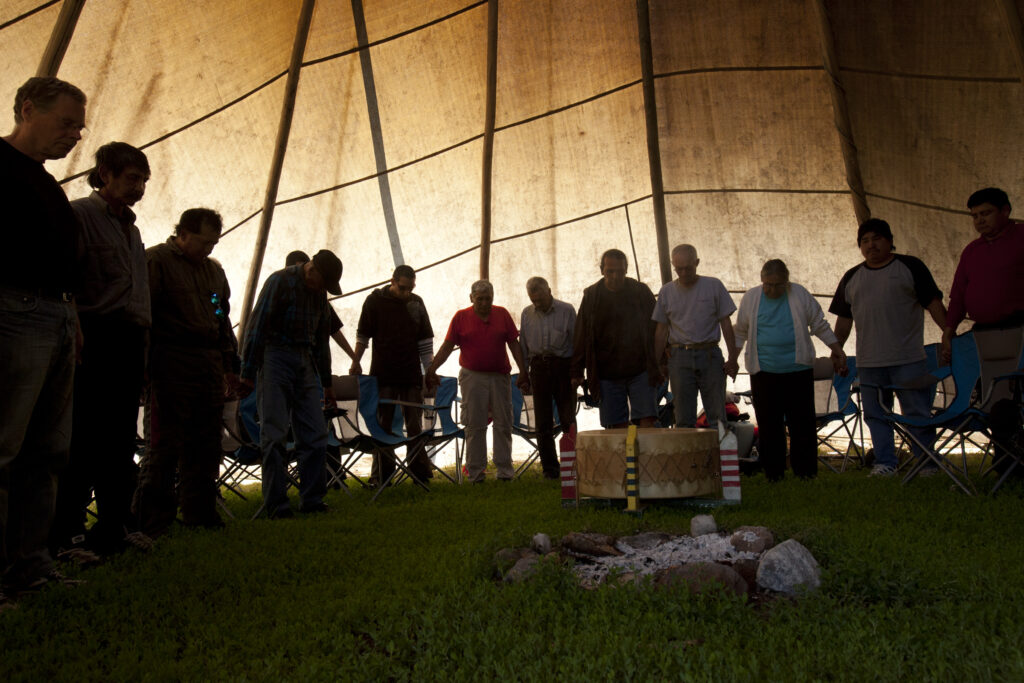
While the Band Office is currently being renovated and the portraits aren’t displayed, they were usually exhibited as panels. It was a great conversation starter to know I took them.
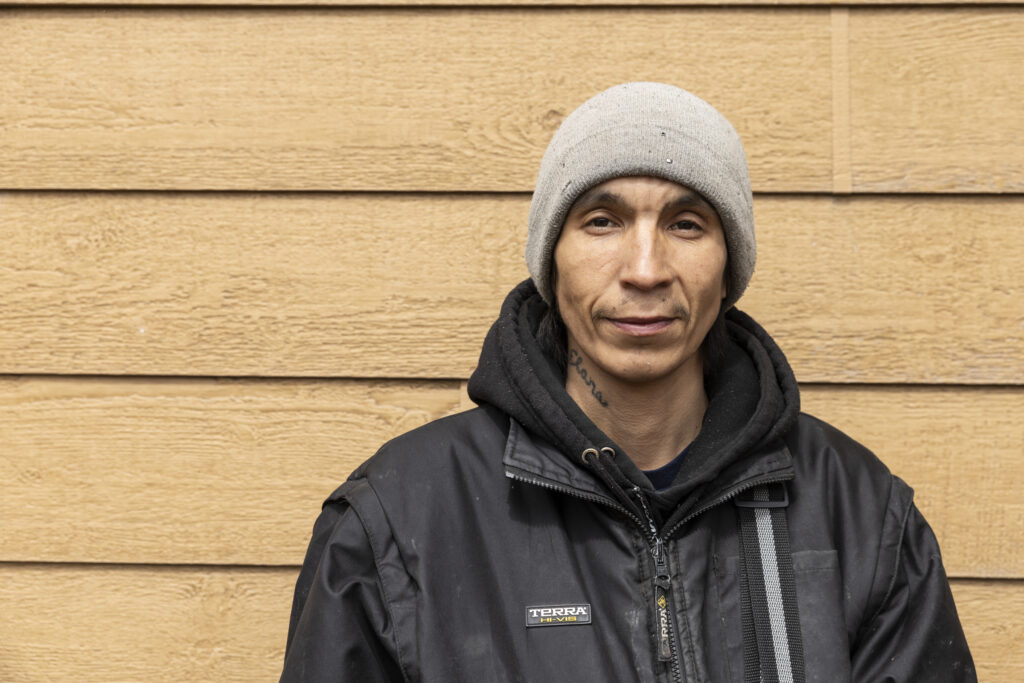
I also photographed John Charles McDonald and his grandson Edward Franklin at Weaver Lake in 2010, and I got to reconnect with Edward.


Evening | Duck Hunting

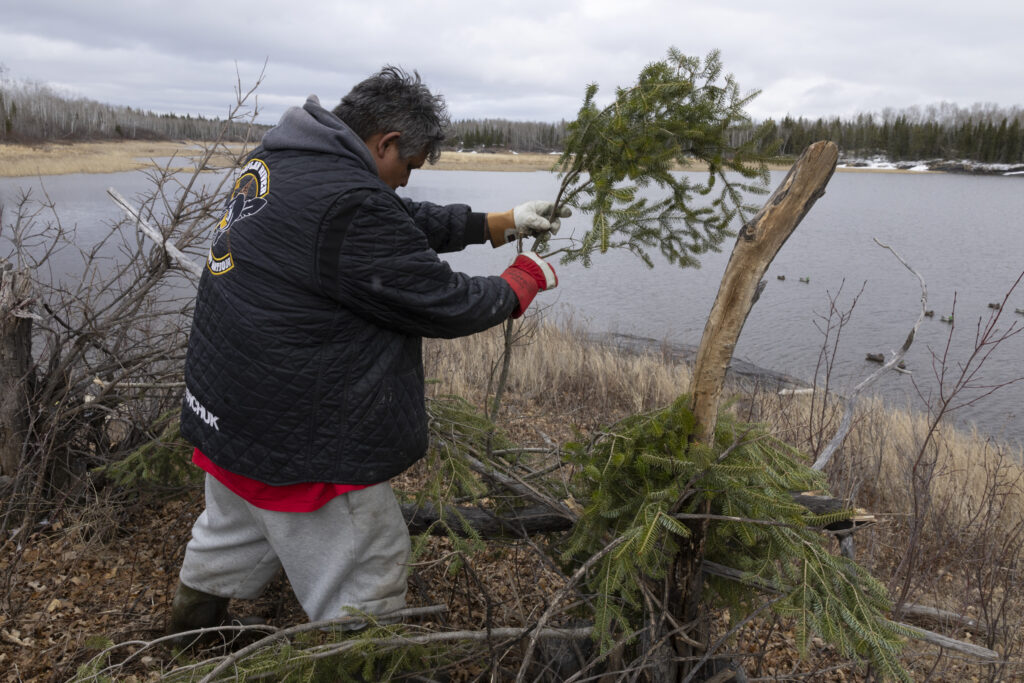
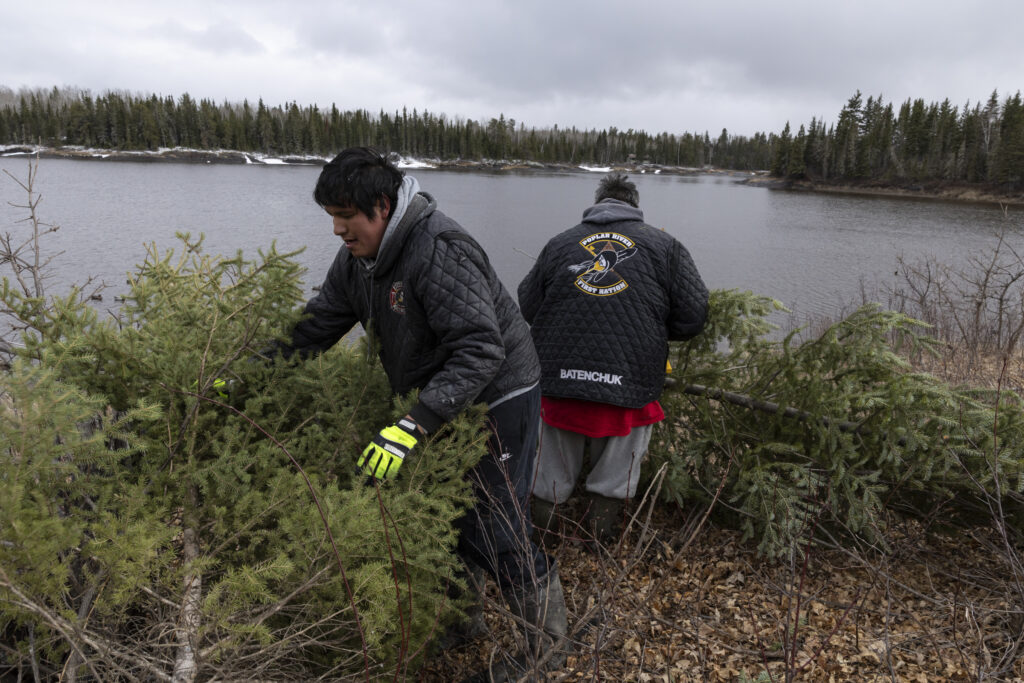
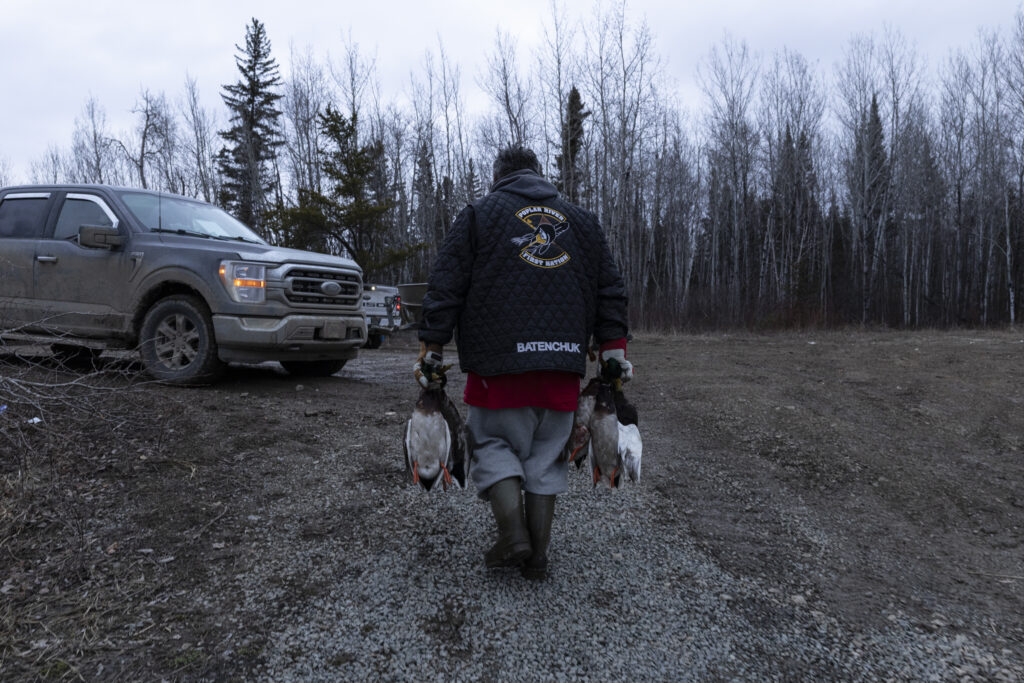
That evening, I went duck hunting with Desmond Batenchuk and Barry Bittern, departing from the other side of the Rapids. We fired at ducks whenever we saw them and got one bird early on.
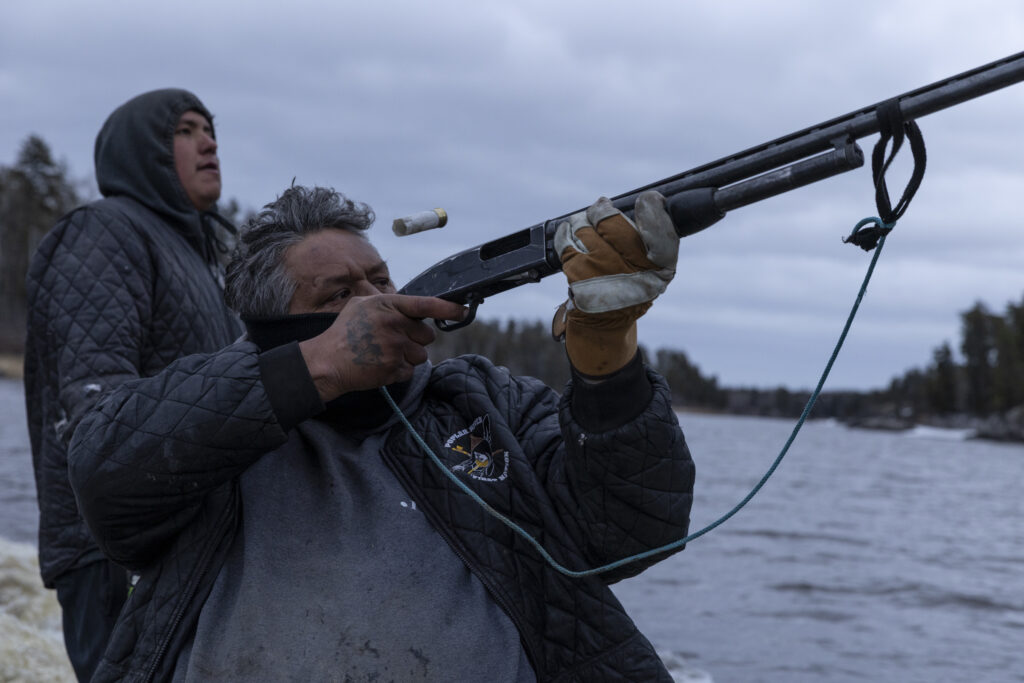
We went further, set up decoys in the water, and made a blind.
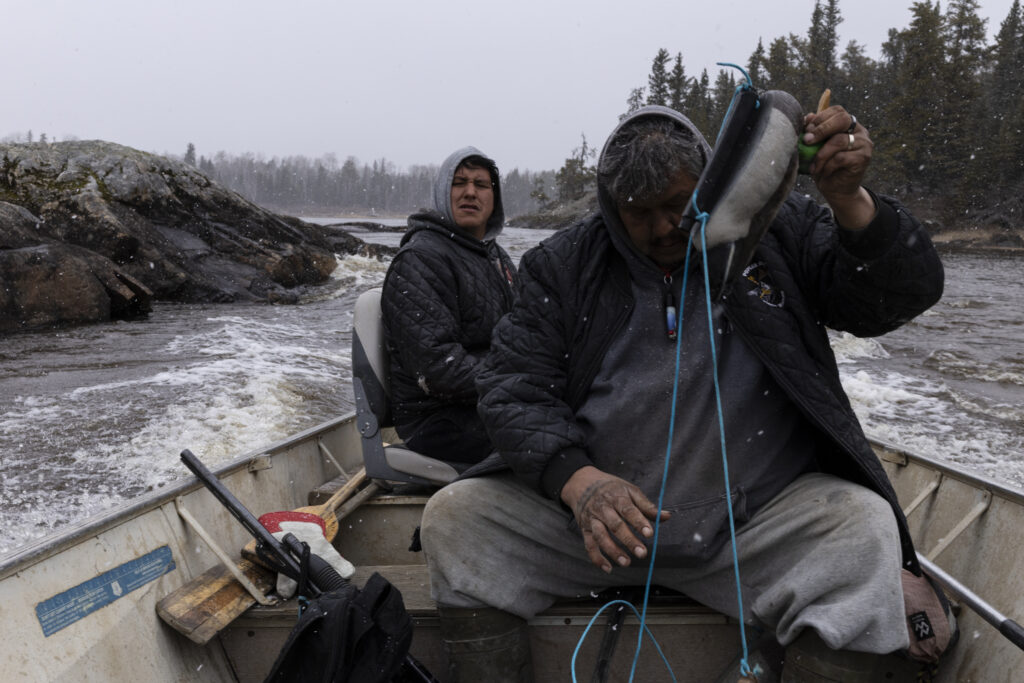
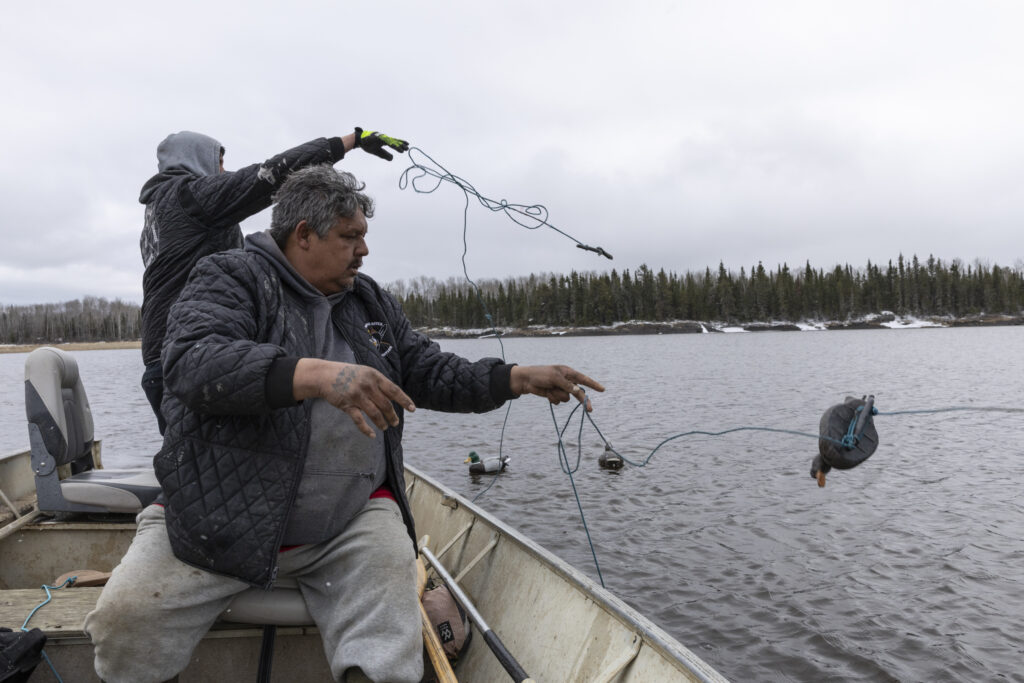
We called ducks with sounds, and when they came close, we shot, getting two more.
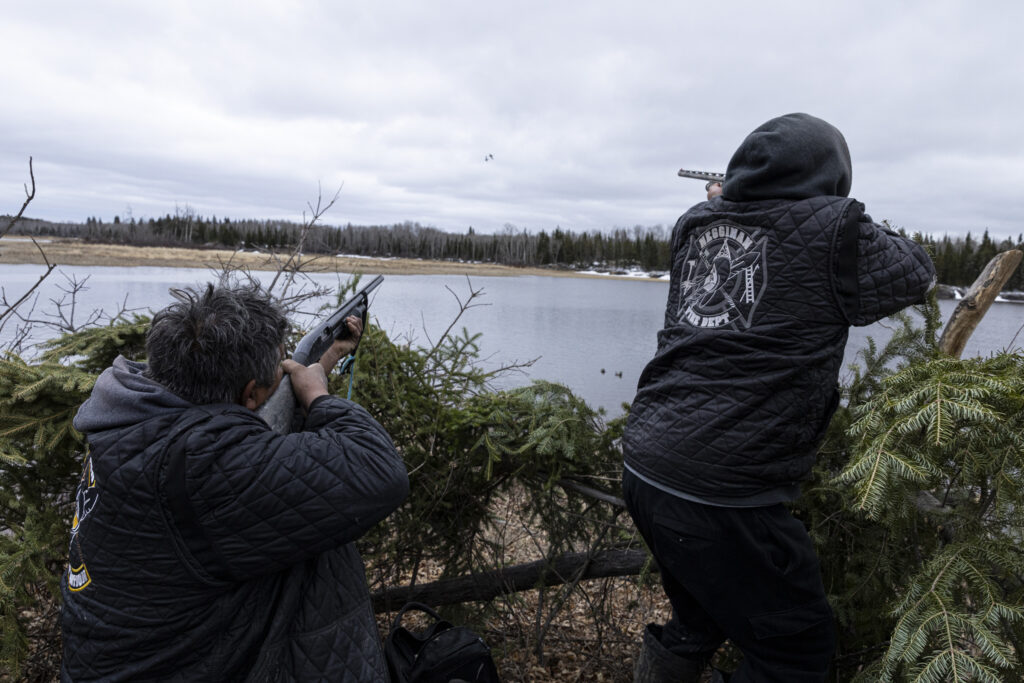
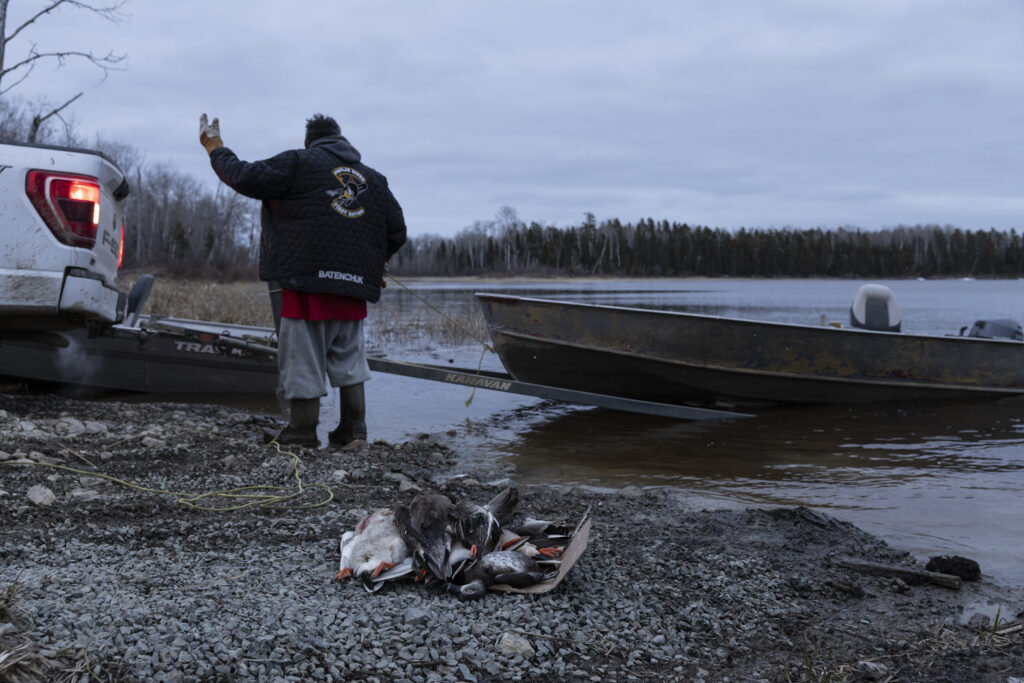
On the way back, we shot whenever we spotted them, ending up with eight ducks in total.
4. Wednesday

Morning | Duck Cleaning
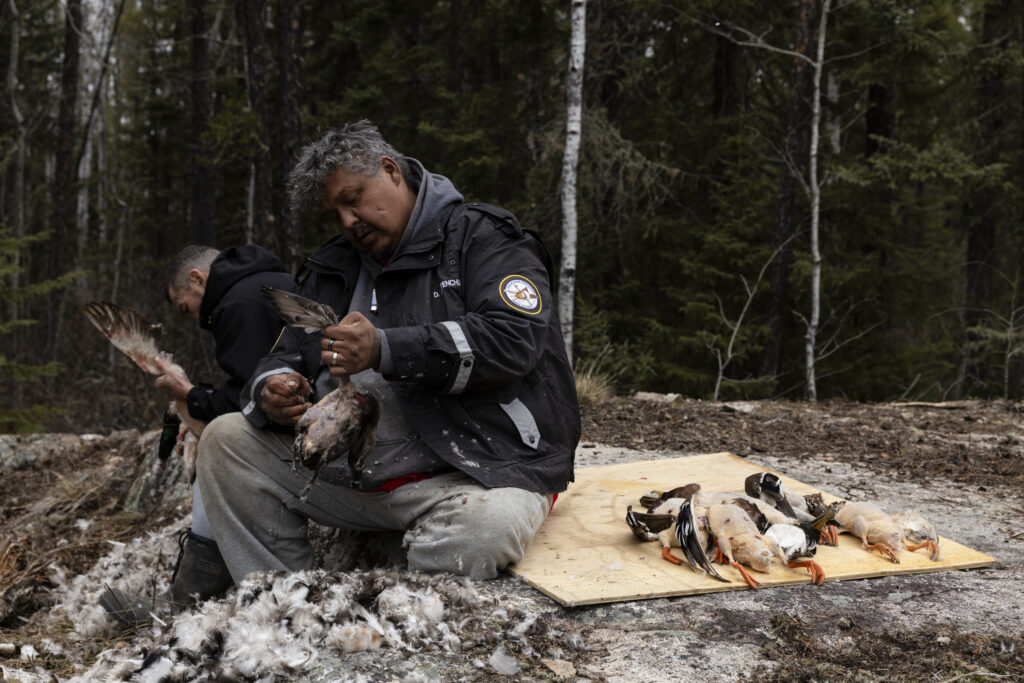
We met at Desmond’s house at 10am and quickly drove to a road that was originally planned as an all-season route to Poplar River.

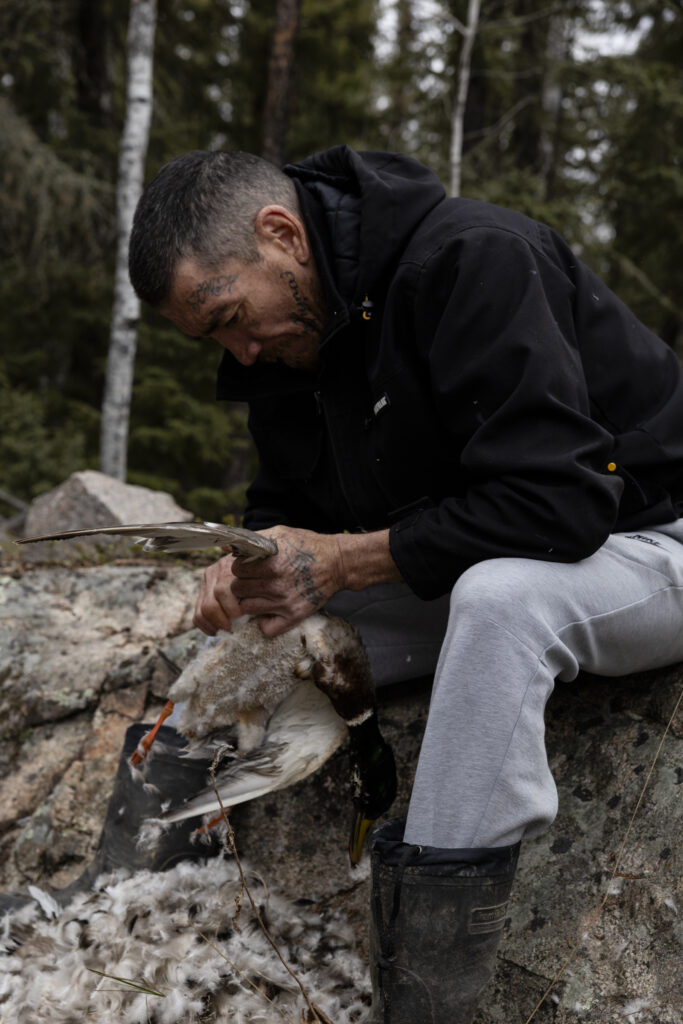
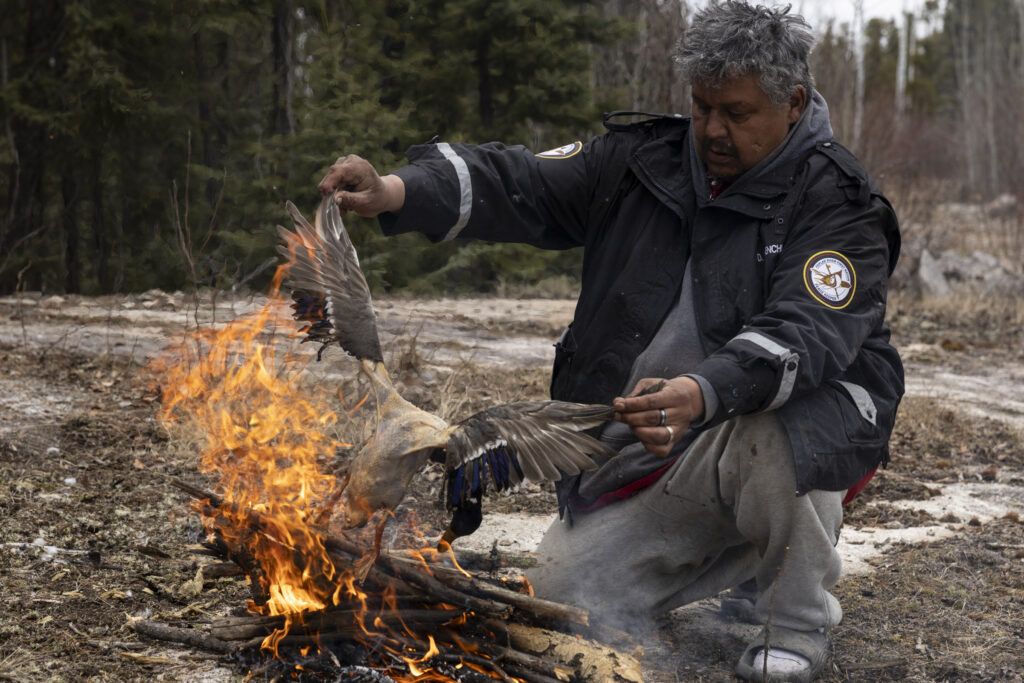
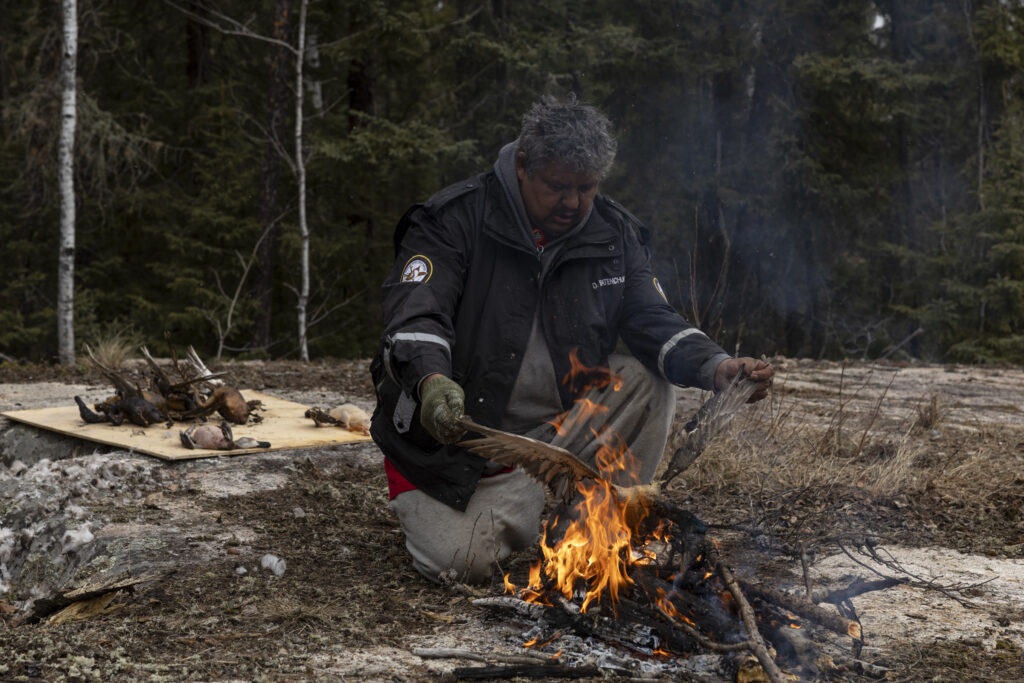
At an open area along the way, we plucked the ducks and seared them over a fire. Redman Douglas came along to help.
Afterward, we returned home to clean the ducks. Desmond’s 14-year-old daughter Jana helped. She has been assisting since she was 6–7 years old, so she is very skilled.
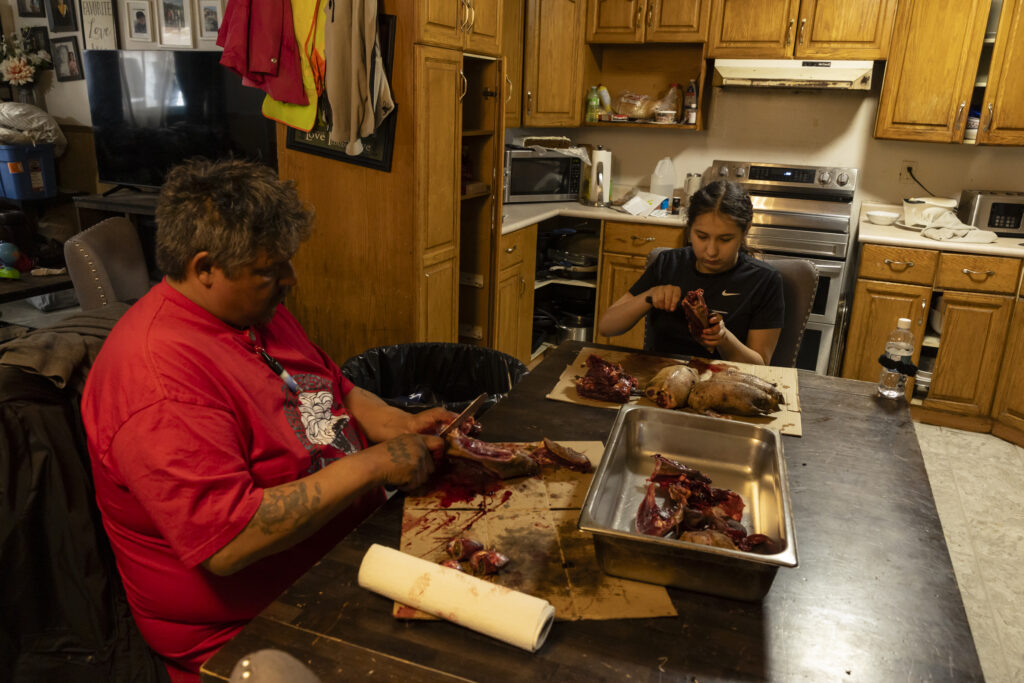
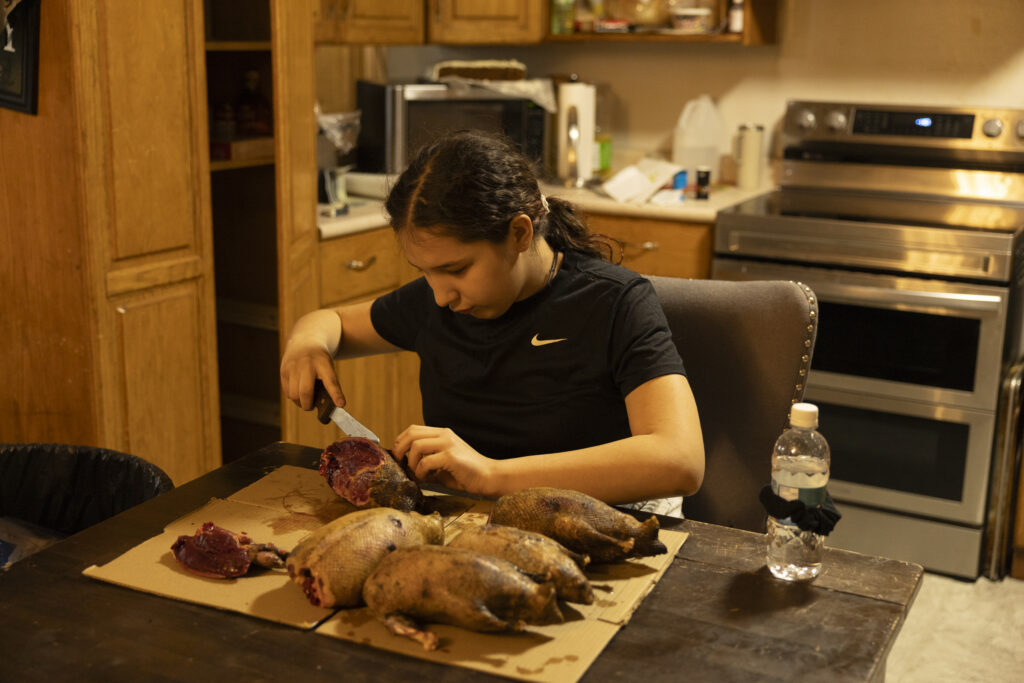
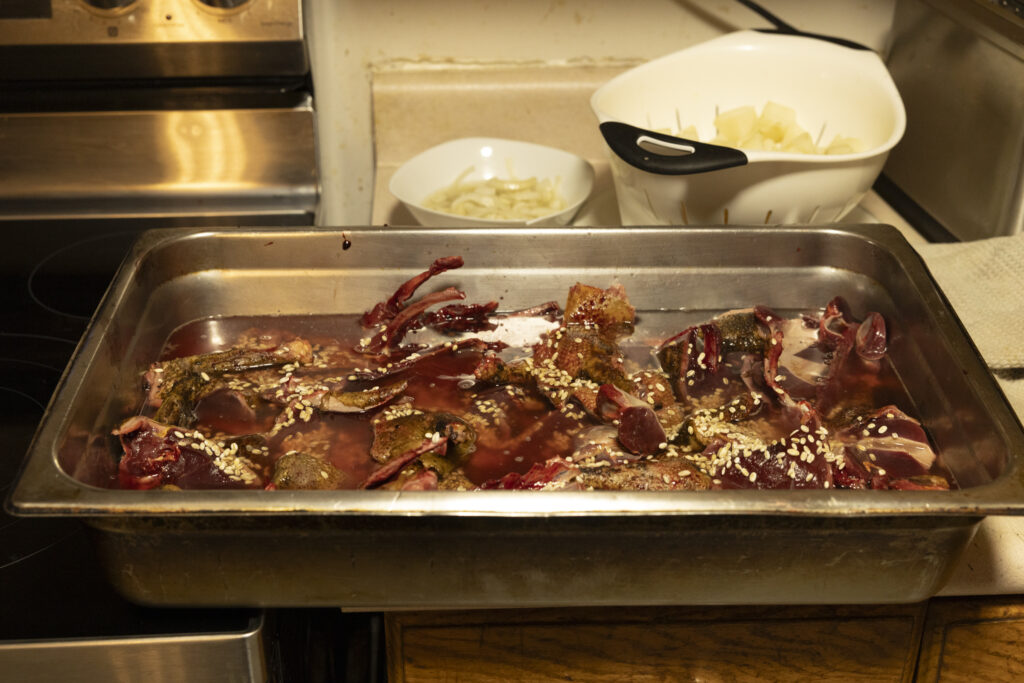
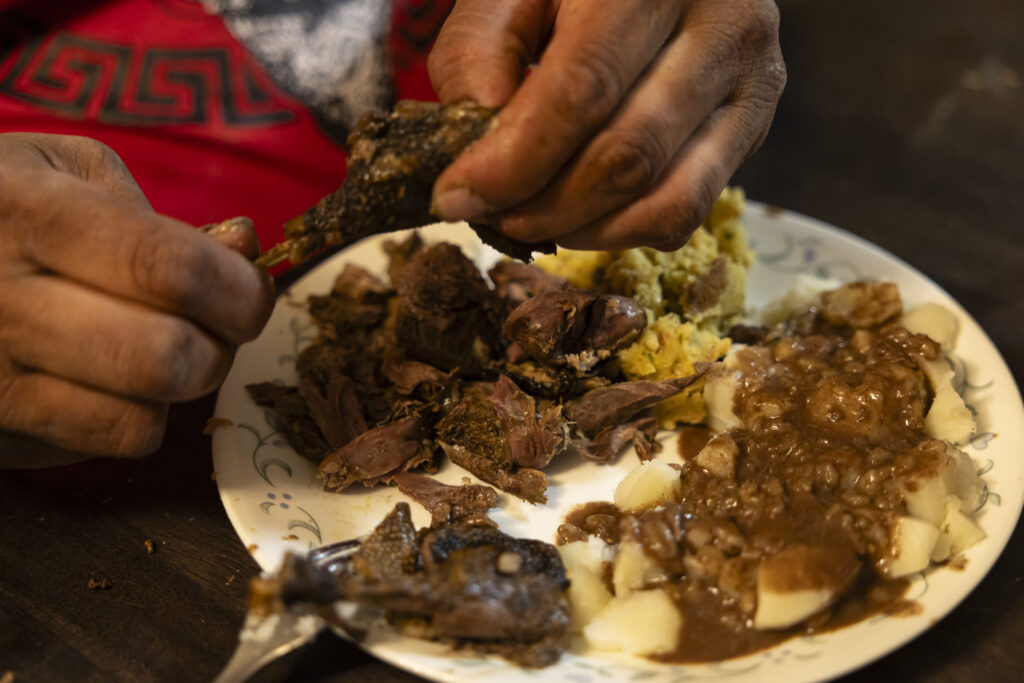
We also separated the gizzards and hearts, washing the gizzards further before cooking them. The ducks were placed in a roasting pan with water and barley, without seasoning, and roasted at 350°F for 3–4 hours.
Afternoon | Fishing Nets

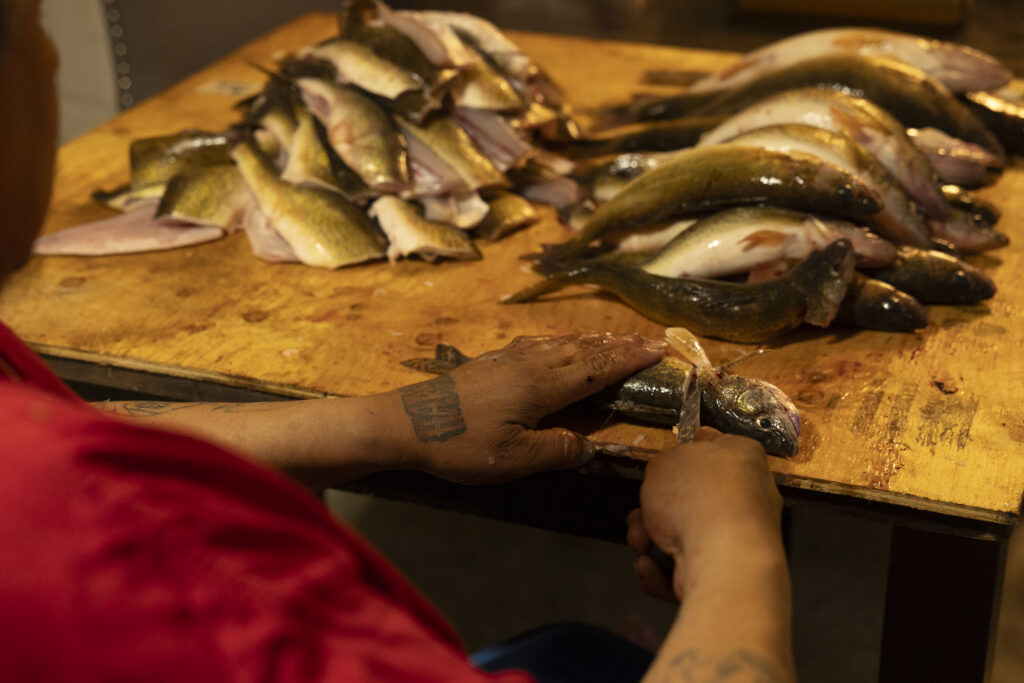
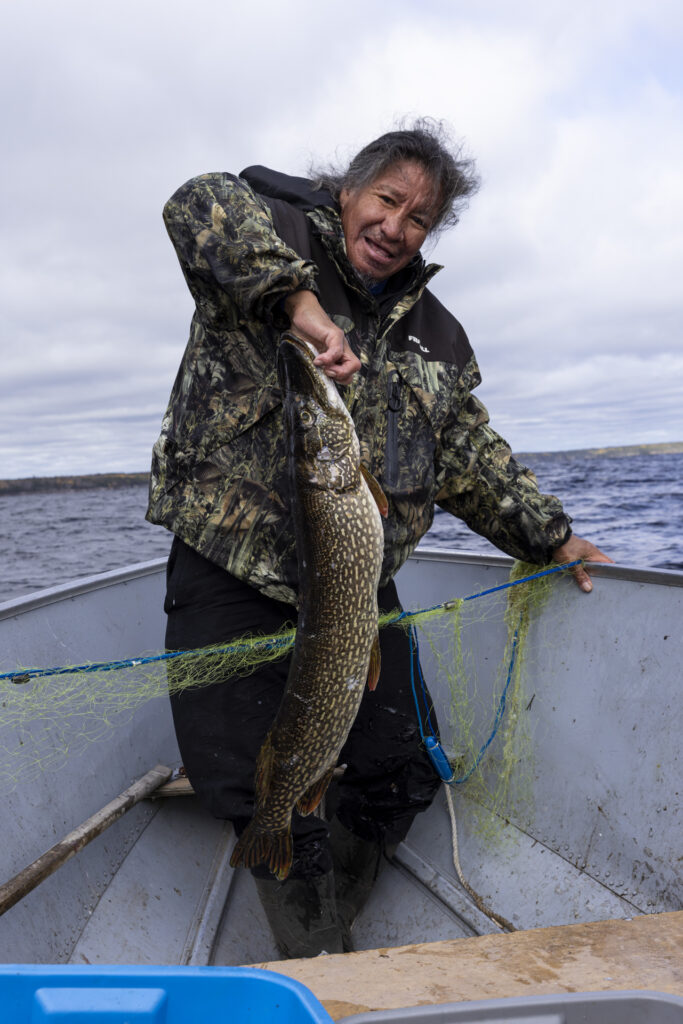
While waiting for the roast, we checked the fishing nets. We set off by boat from beside the house to inspect the nets. At this time of year, pickerel (walleye) also come to spawn, so we caught a lot—a good haul.
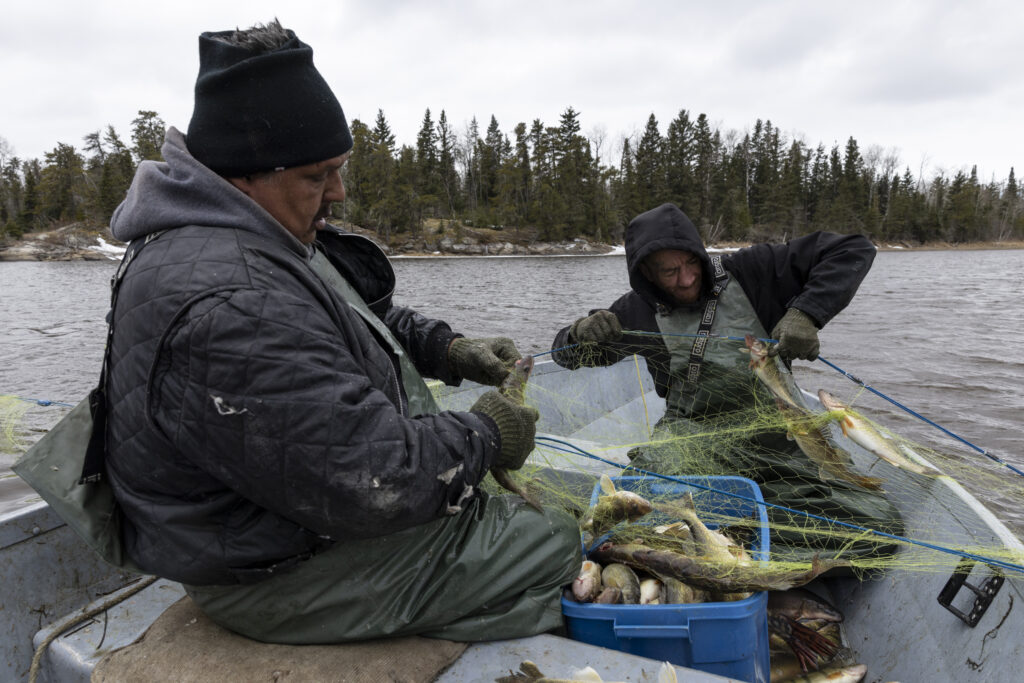
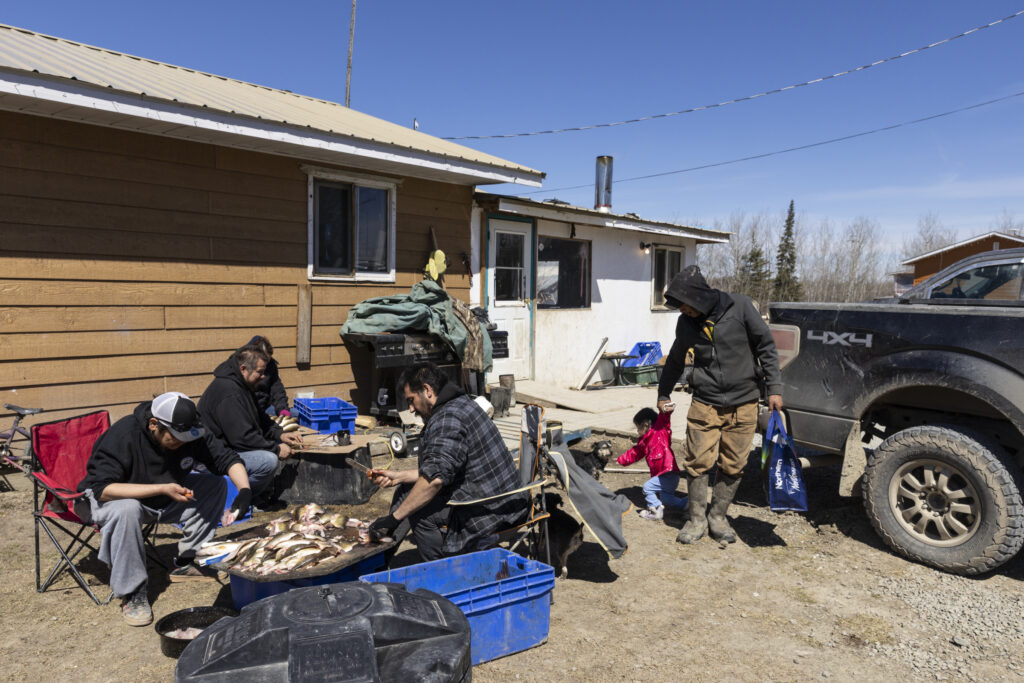
We kept a large pike and many pickerel, and counting the fish at the bottom of the boat, we filled four tubs.
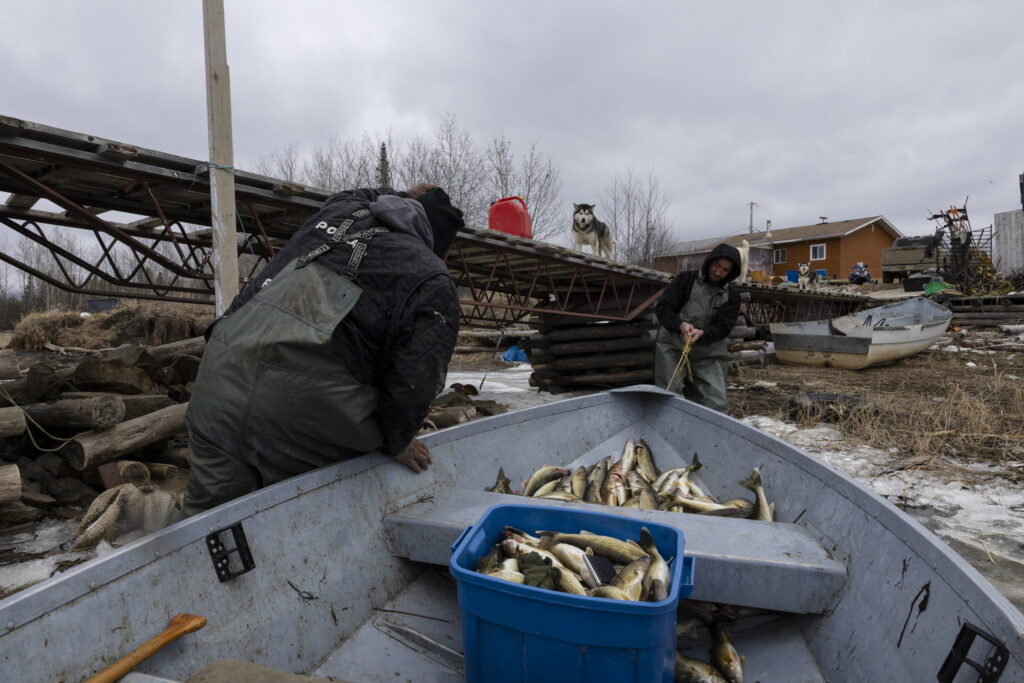
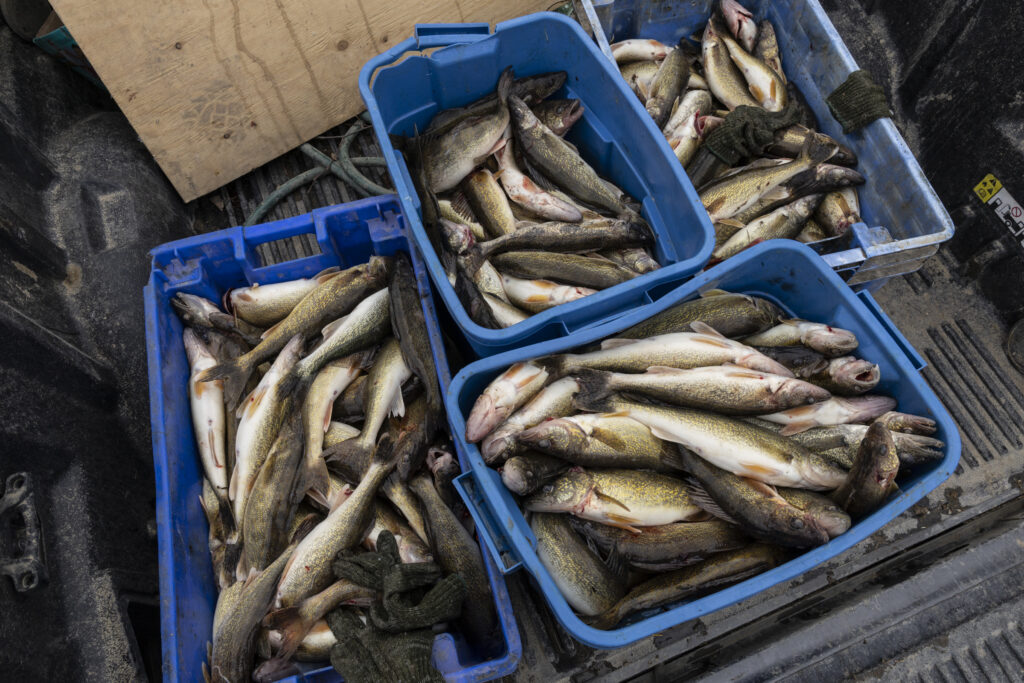
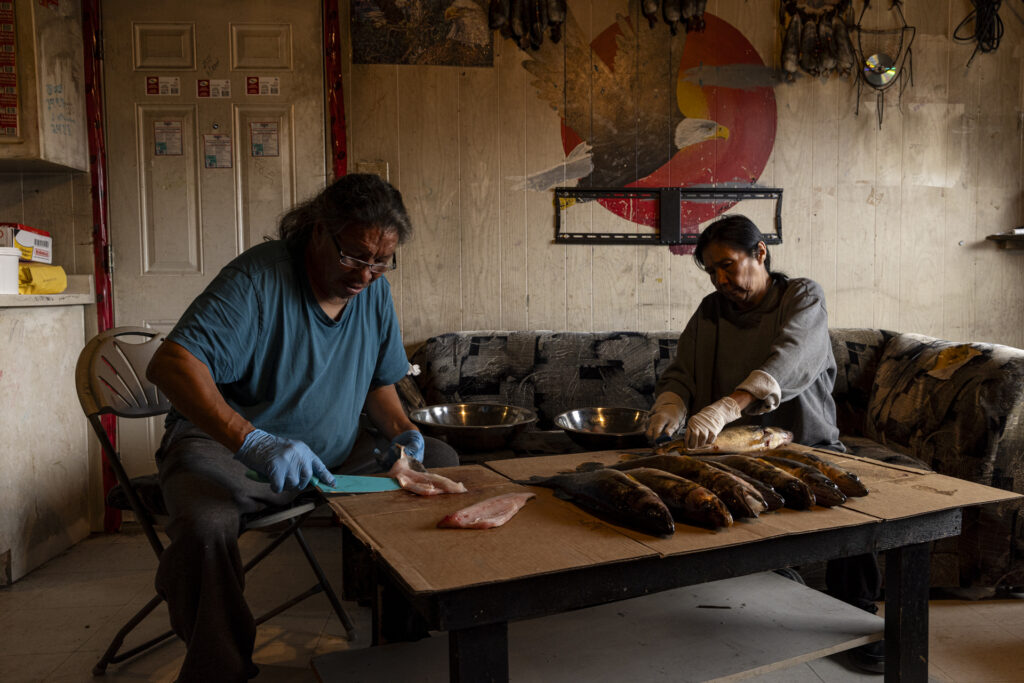
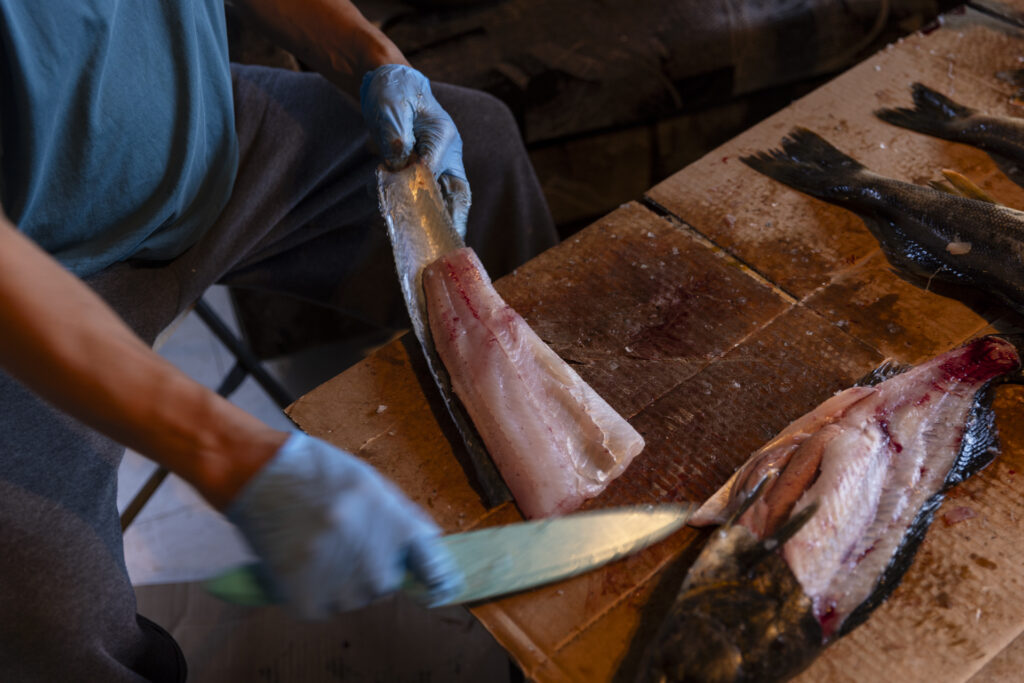
We started cleaning the fish immediately.
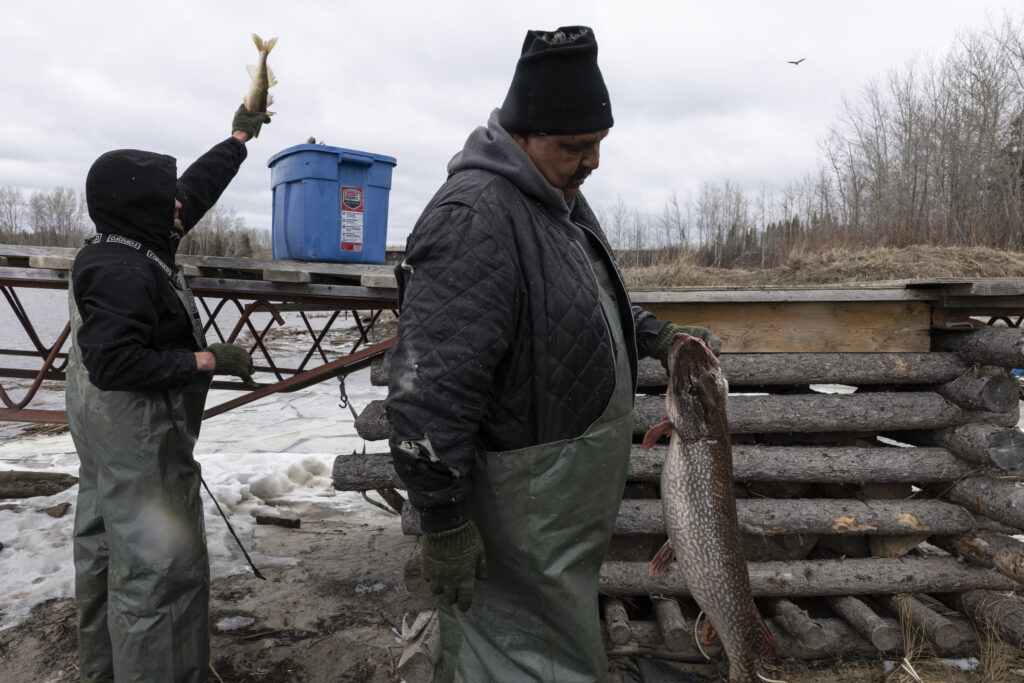
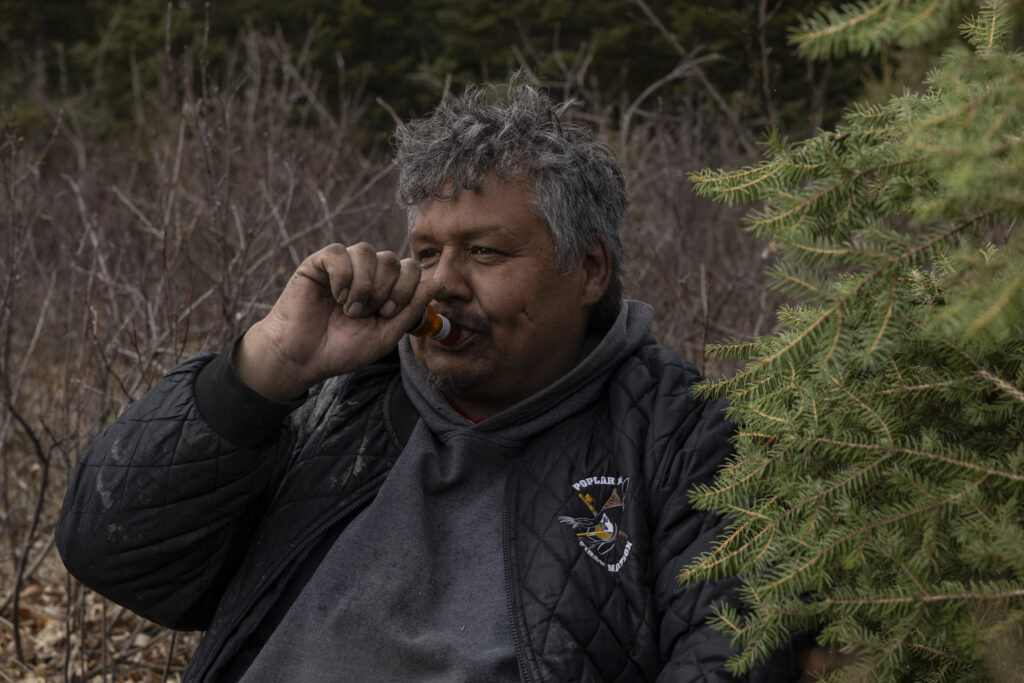
Redman helped, and later Desmond’s daughter-in-law Heavenly and his wife Harmony joined us, so we divided the work. Processing fish is very much a community effort, with everyone helping wherever they can. Working together like this is simply part of daily life here. Friends and neighbours came to collect fish as well, reflecting a wonderful spirit of sharing.
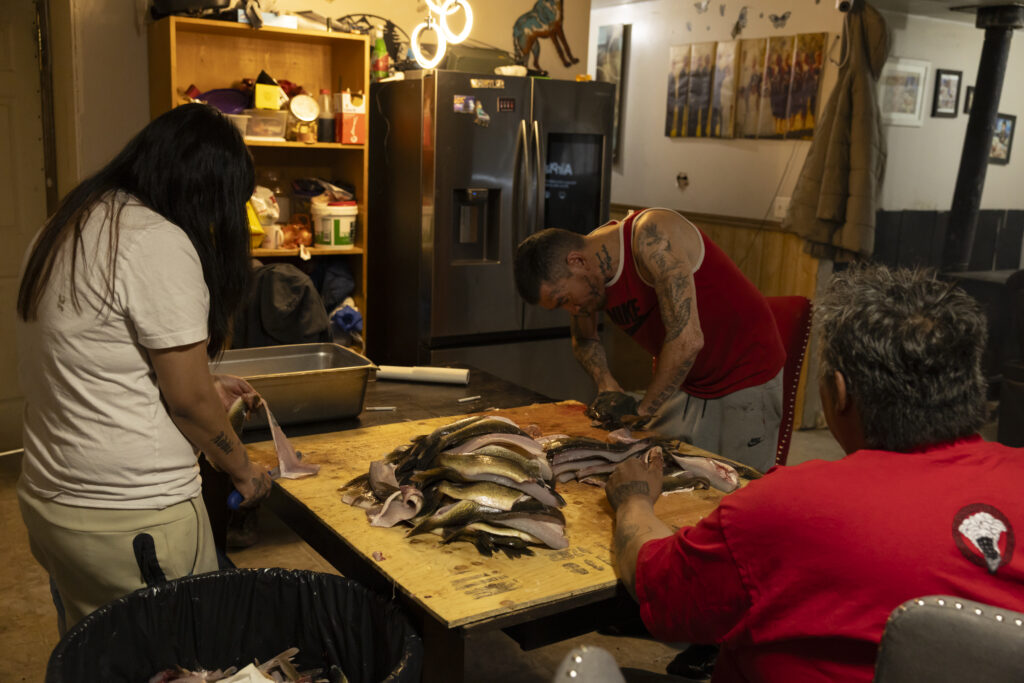
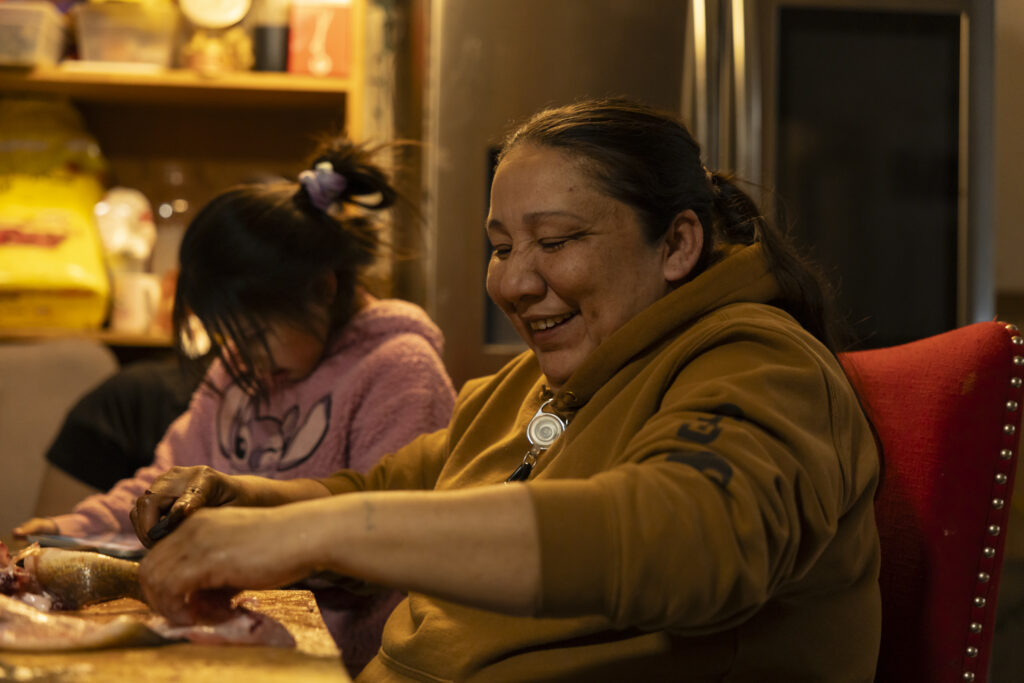
Desmond has lived a life dedicated to fishing and hunting.
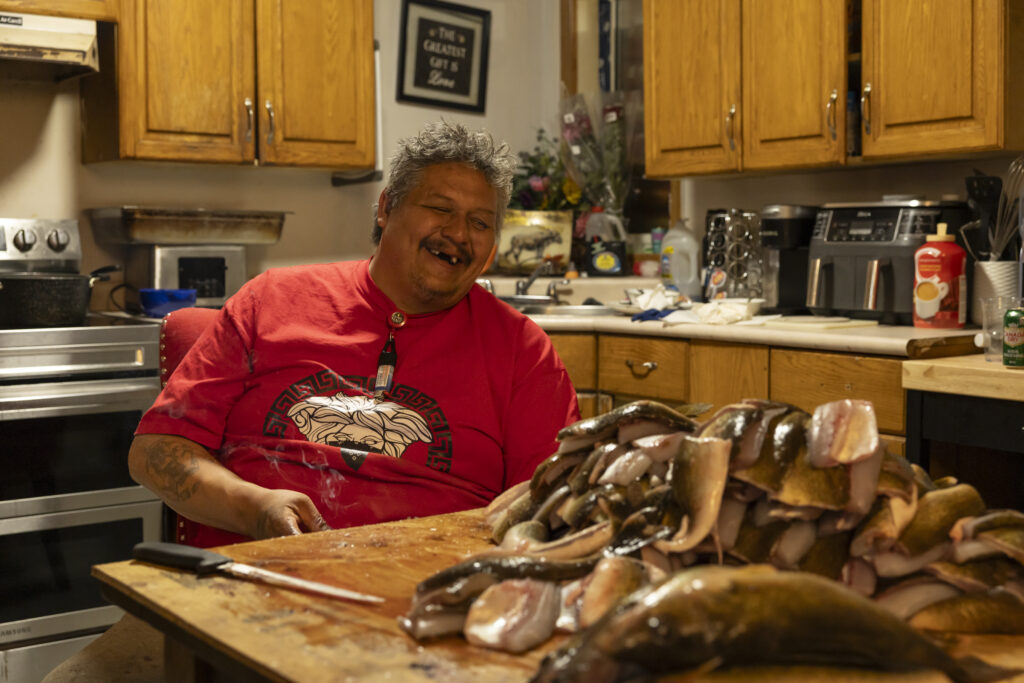
Born in 1980 at Big Black River, he worked hard with his mother growing up. In his childhood, there was no electricity or refrigerator, he told. After establishing a fishing base in Poplar River, he moved there. He often went trapping with Hubert Hudson (brother-in-law). With a basic supply of food, they would spend about a month in the woods, sourcing all other food locally. He ate beaver and caught rabbits. Desmond married Harmony in 2004, and they have six children. He is now 46 years old.

Evening | Roast Duck
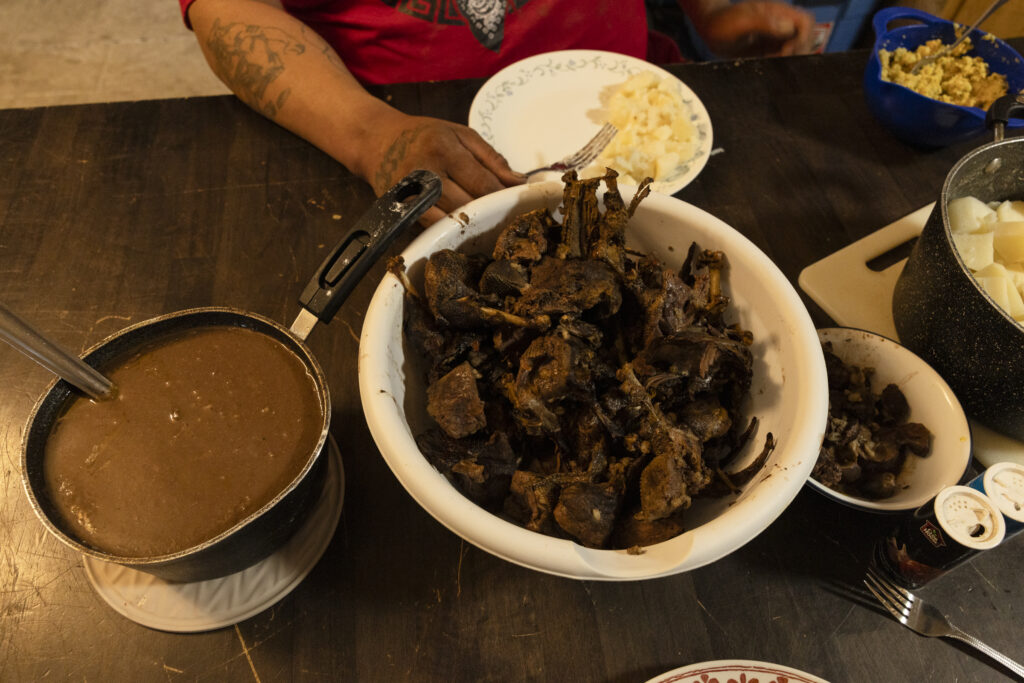
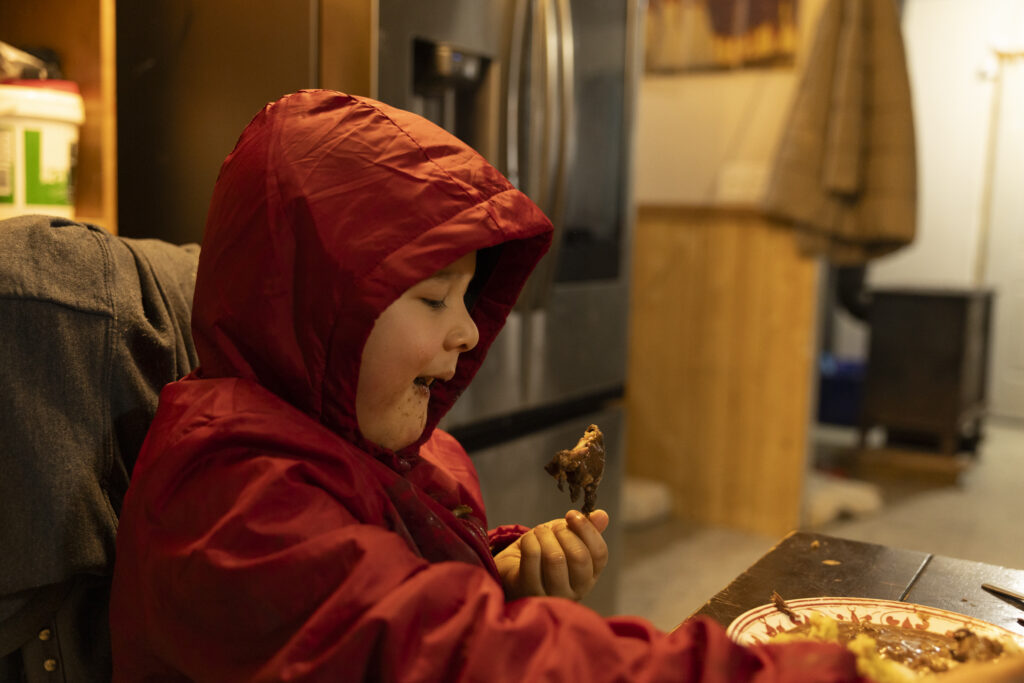
The roast duck was ready, and Desmond’s grandson Axel (6 years old) loved it.
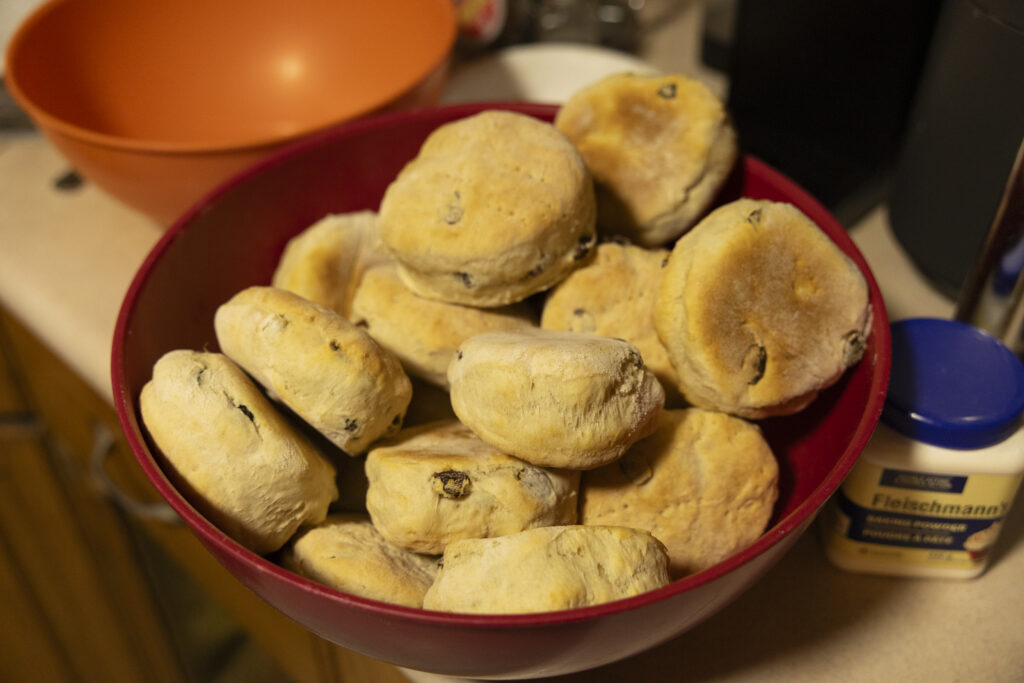
I enjoyed it too, with potatoes, gravy, and stuffing Desmond made as a side. It’s truly amazing to have such delicious, natural food sourced right next to your home.
5. Thursday

Morning | Snare Fishing

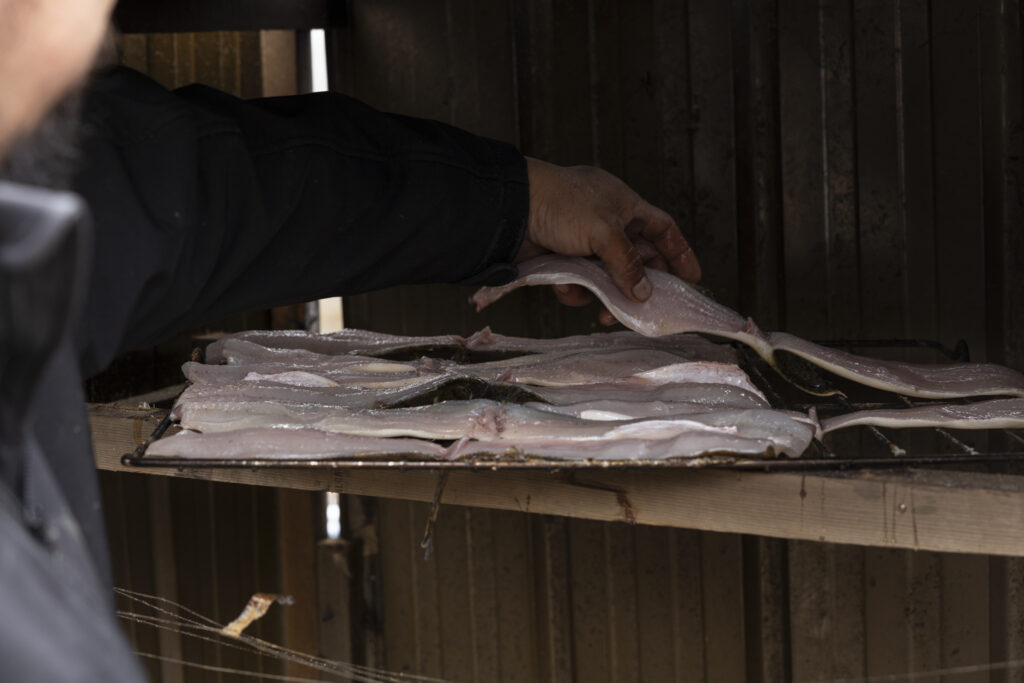
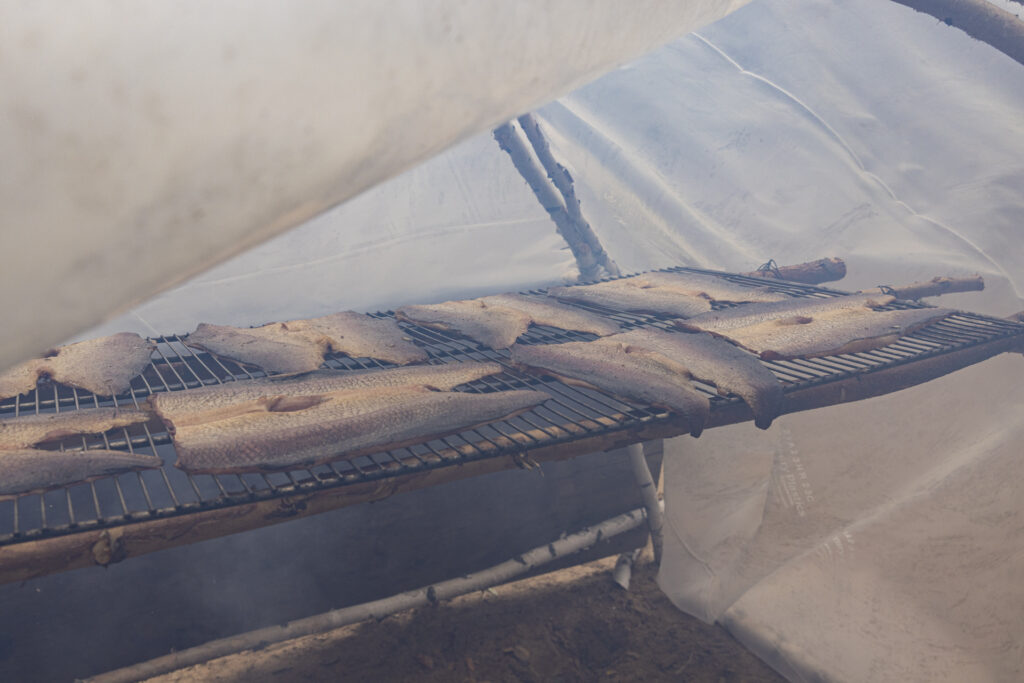
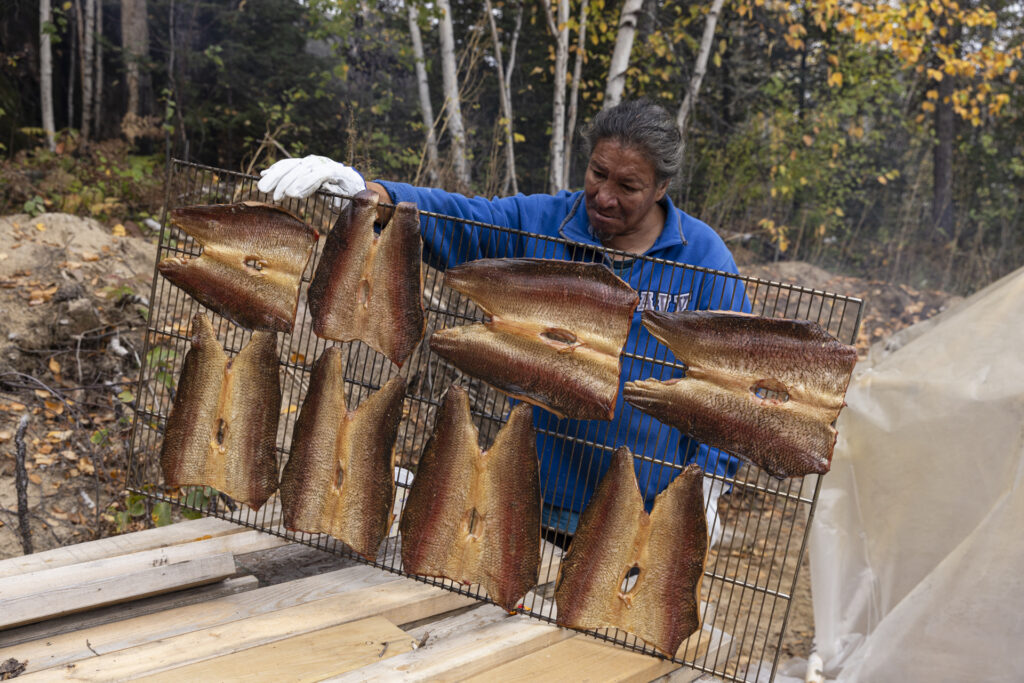
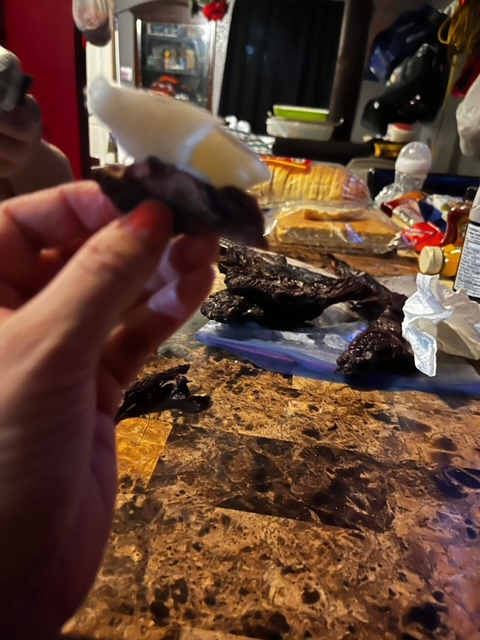
I went to Desmond’s house around 10am and his neighbor Perro gave me a slice of smoked walleye. It usually takes 5–6 hours to smoke. I had tried smoked whitefish before, but this was my first time tasting walleye, and it was very good. Perro had also started smoking a sucker that had been brined overnight. It is thick, so it takes more time to dry… maybe around 24 hours.
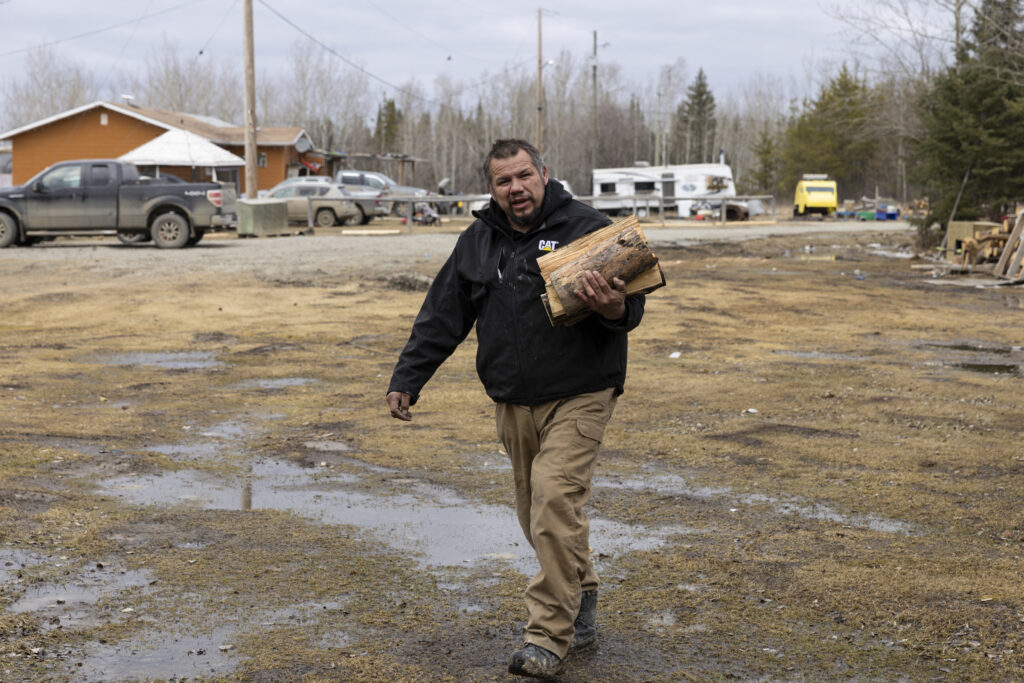
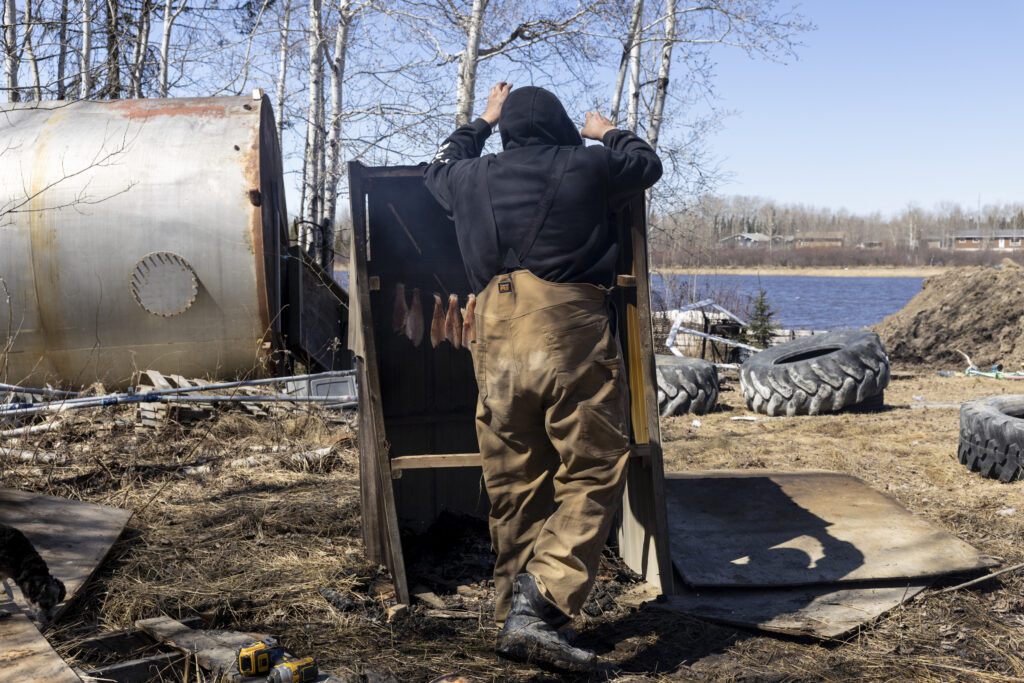
Desmond came home, and we headed to the rapids together. In the slower, swirling pools, we could see fish—northern pike and suckers.
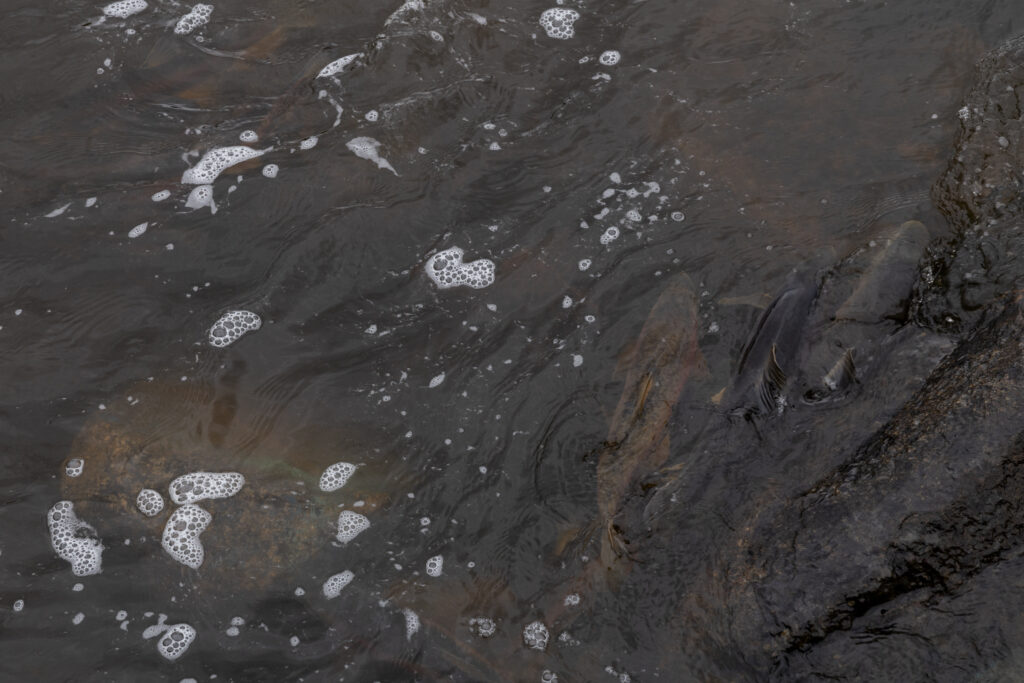
According to Desmond, walleye should also be spawning upstream, but they were probably gathered in another part of the falls where the current was faster. Desmond tried to catch one by hand, but he couldn’t catch any.
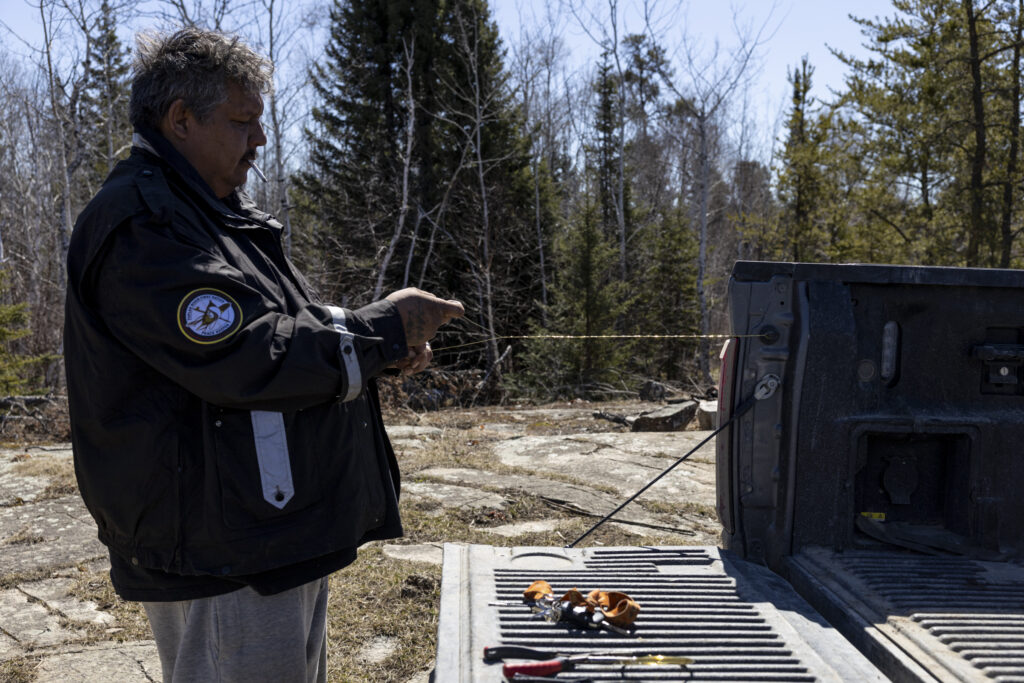
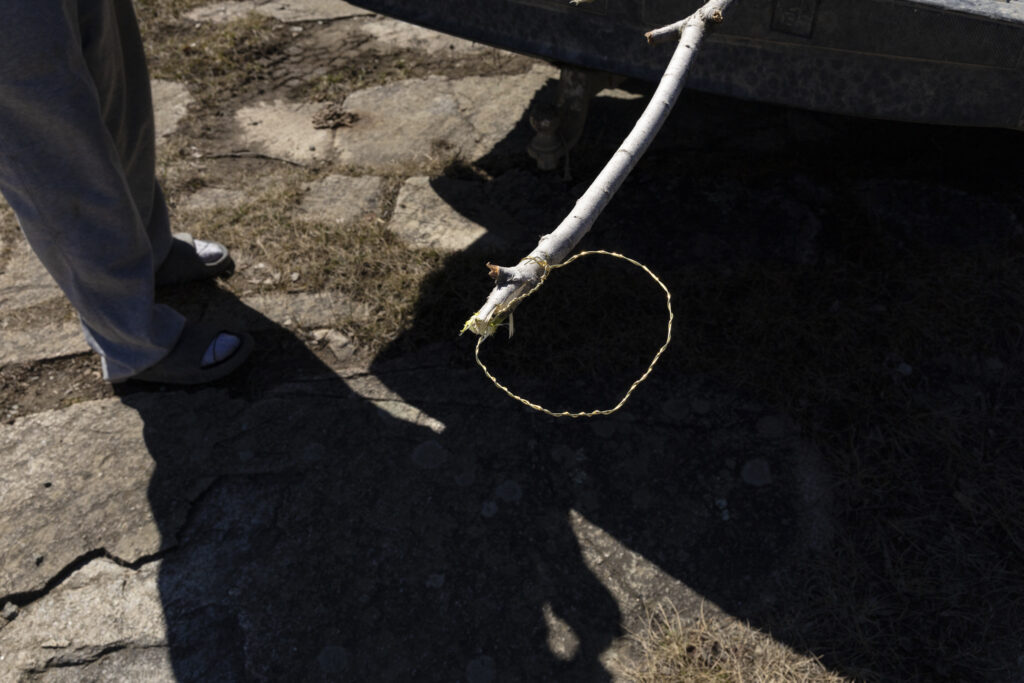
Back in town, he bought a rabbit snare, which is a 20-gauge, 0.9 mm × 6.4 m golden wire. He made it into a loop and attached it to a 2.5 m aspen stick. Desmond said the last time he did this was around six years ago—just for fun.
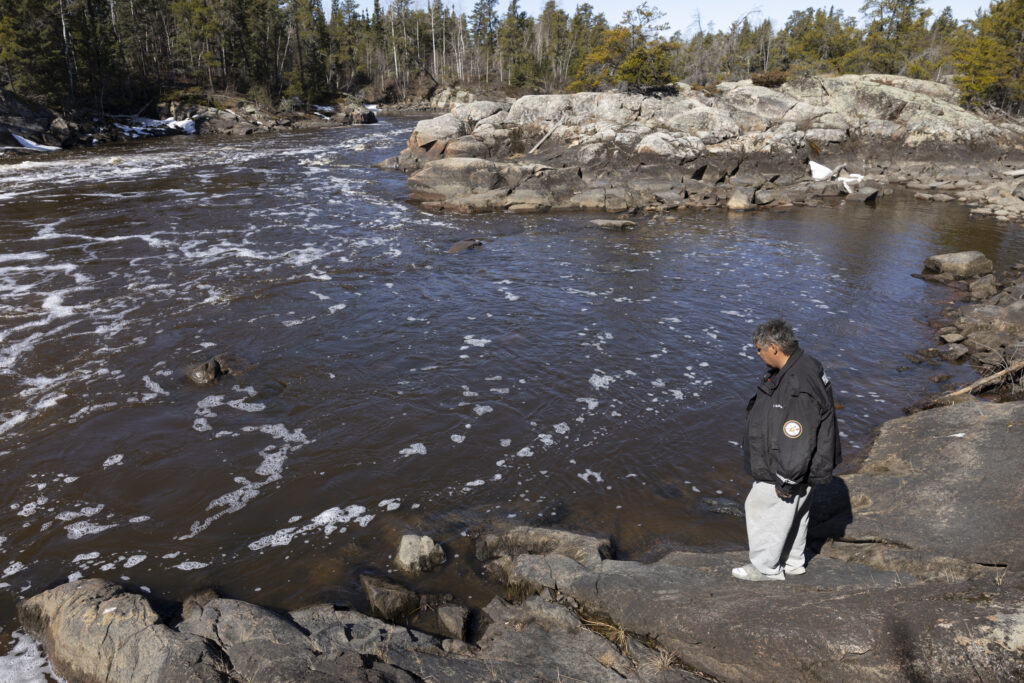
Standing on a rock near the water, Desmond focused intently, like a hunter. At one point, he looked back, moved a stick quickly, and caught an impressively large pike! It was so fast!
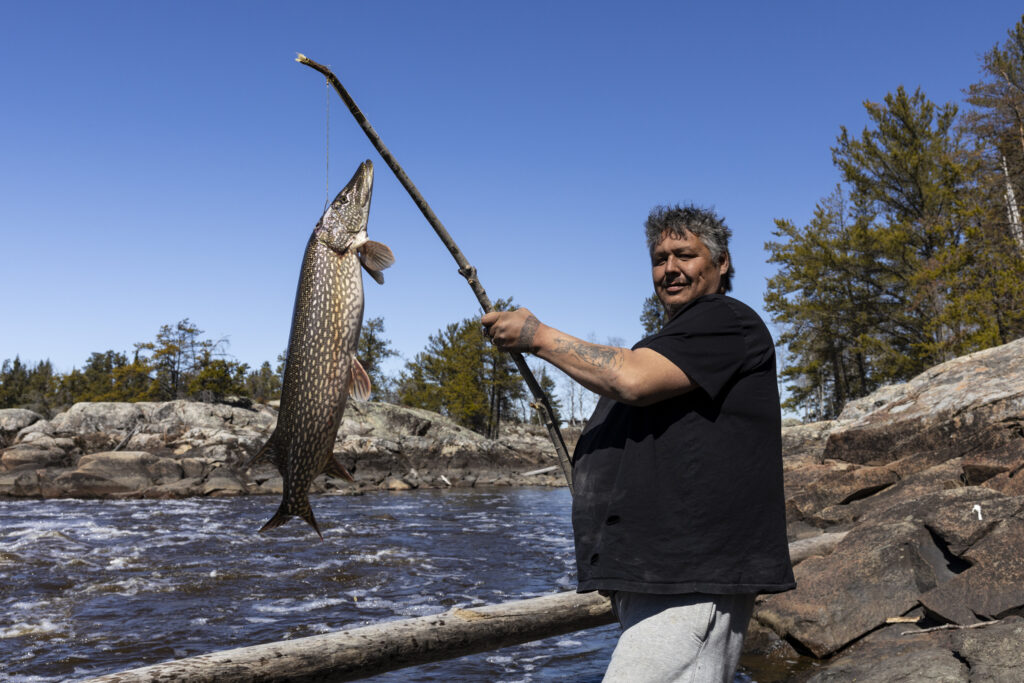
He caught and released several more pike and suckers. It was amazing to see that he could catch fish without a hook or line. Desmond said you can use the same snare system to catch grouse.

When we returned home, Perro was cleaning the fish caught in the net. Apparently, he had caught about four tubs, and many people came by to get a share.
6. Friday

Morning | (Late) Eddie Hudson
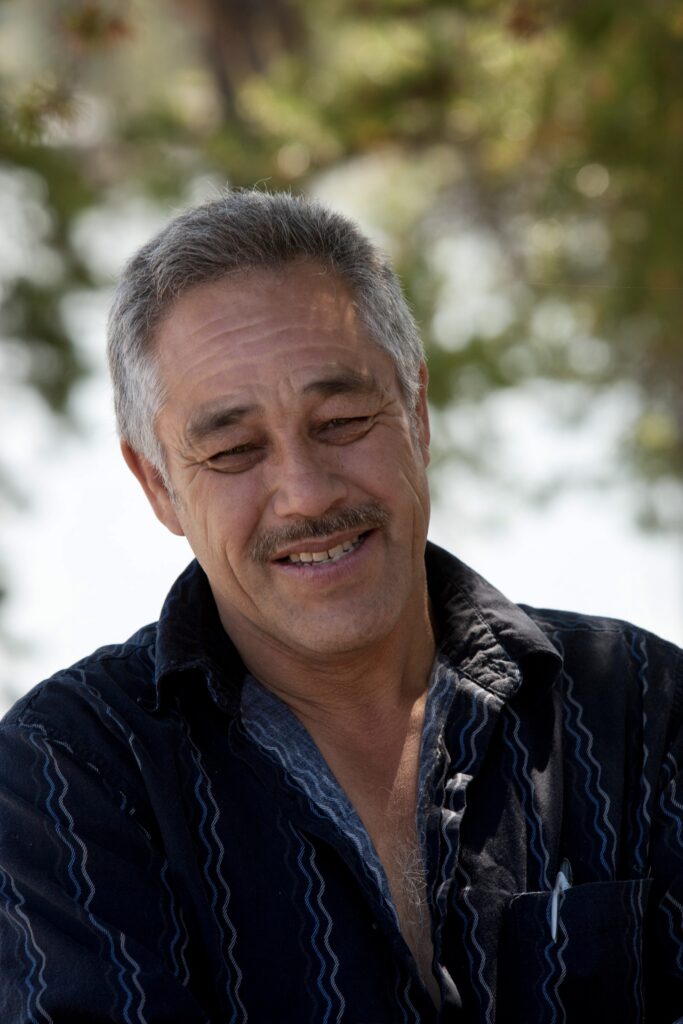
Eddie Hudson’s funeral took place. Many family members had gathered, and I heard that numerous relatives had arrived in Poplar River the day before on six flights. A few days earlier, Norway had offered drumming and songs to help send Eddie’s spirit onward. I heard the service was quite lively. It was held at a Pentecostal church. The store and schools were closed.

Eddie’s passing made me reflect on the many years of friendship and connection that I have developed since my first visit to the Weaver Lake Healing Camp in 2010. It was there that I first met Ray, Sophia, Norway, and many others from the community, including Eddie.

I also remember watching the 2018 meeting in Bahrain live online when Pimachiowin Aki was officially inscribed as a UNESCO World Heritage Site.


I was deeply moved when Eddie and Sophia hugged each other at that moment. The two of them made enormous contributions to the protection of this land. Rest in peace, Eddie.

Evening | Family Dinner

Norway had invited Mumilaaq and me for dinner, saying that his wife Cassandra’s meatloaf was the best in Poplar River. The meatloaf truly was excellent. Their daughter is there, along with their youngest child, Jake.

Jake was absorbed in professional wrestling figures handed down from his older brother. When I was little, professional wrestling was hugely popular in Japan too, but I was interested to see that professional wrestling continues to be enjoyed in Poplar River today.

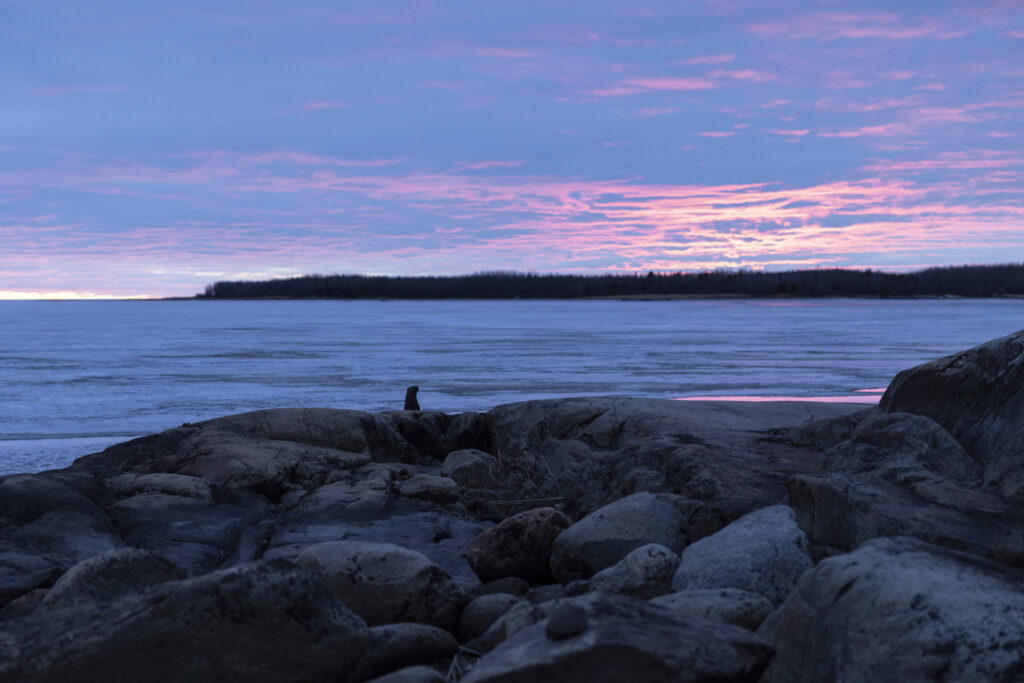
After dinner, I walked along the beach with Mumilaaq. As distant clouds glowed with the colors of the sunset, an otter suddenly appeared!
7. Saturday

Afternoon | Around the Community

There was a Mother’s Day gathering starting at 1pm. When I went to Old School, Harmony, Desmond’s wife, and several familiar faces were preparing food. They were grilling a large amount of marinated beef steak.

I went to the Northern Store to put gas in the truck I had borrowed.
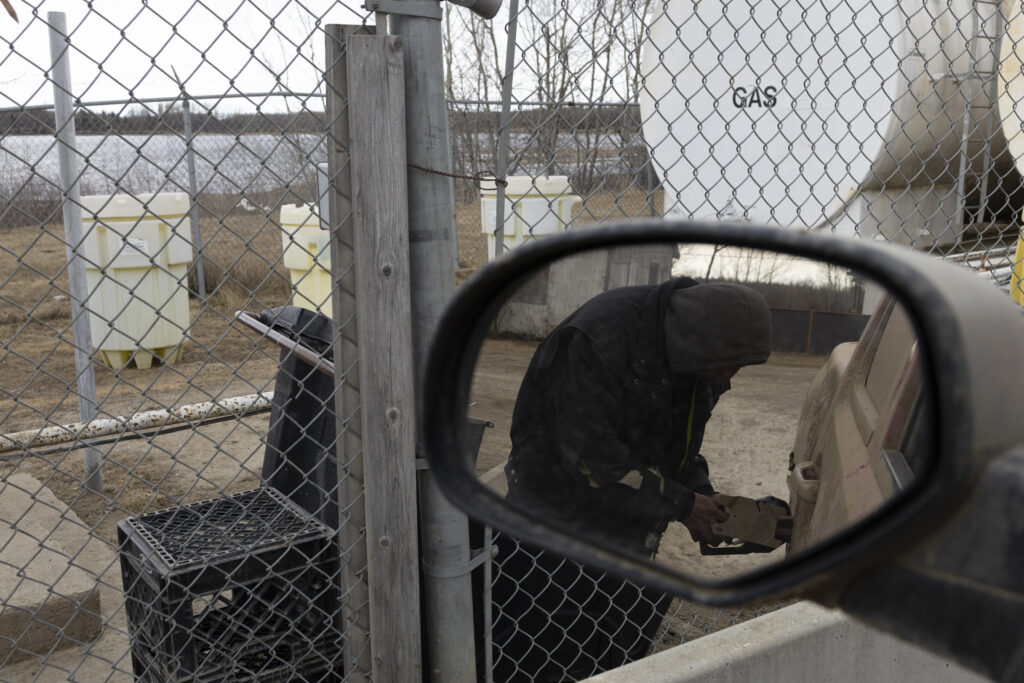
First, I paid at the register, then showed the receipt at the pump outside so they could authorize the fuel. Even 100 dollars only bought about 36 litres of gas.

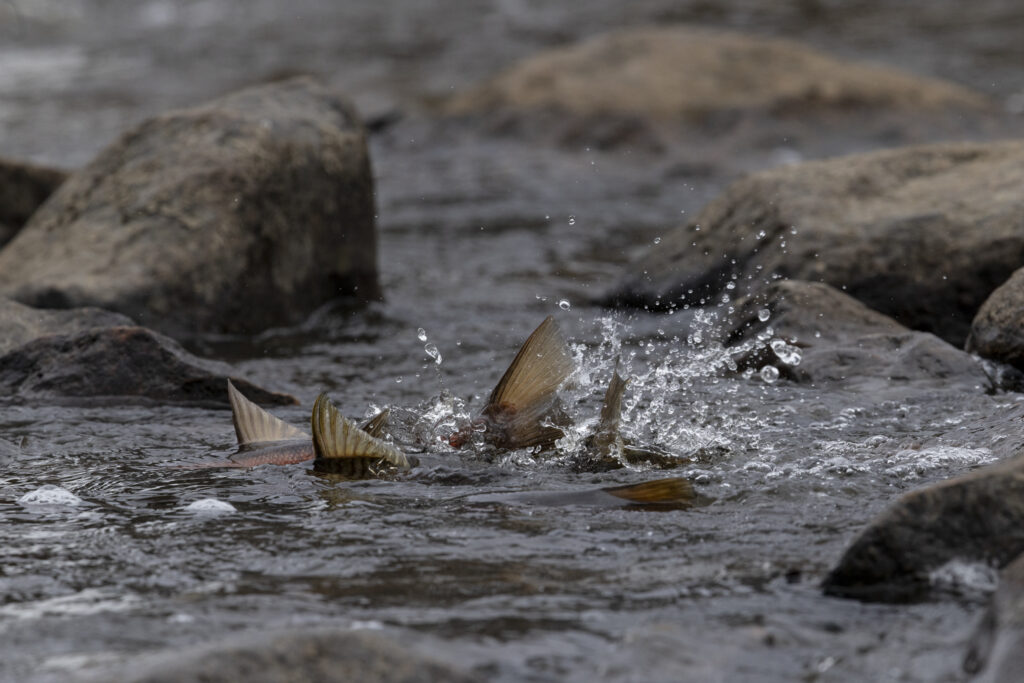
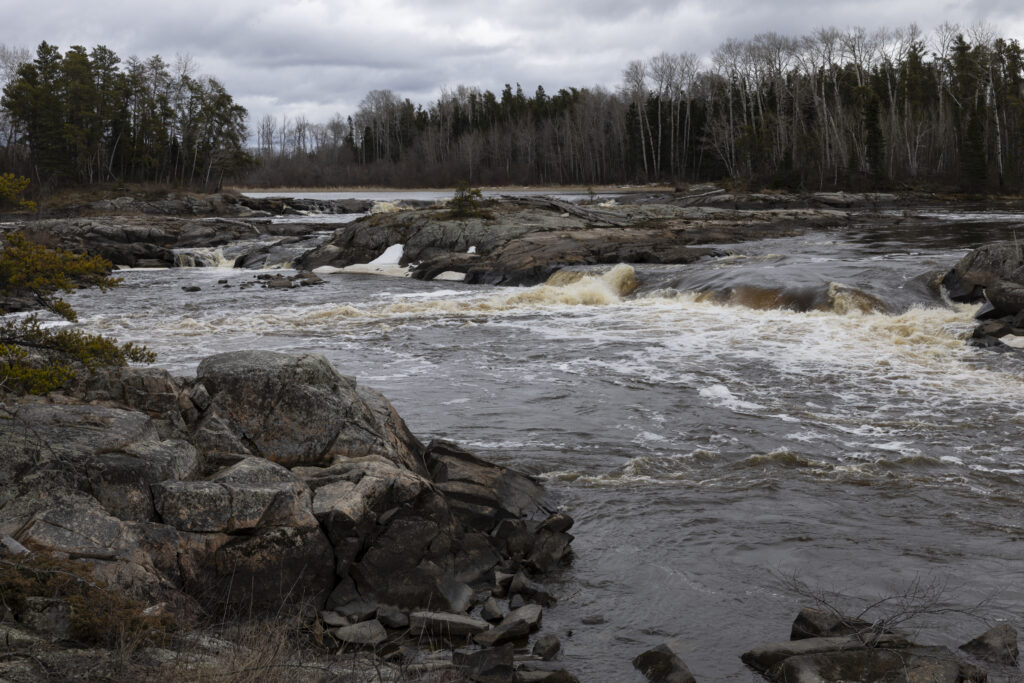
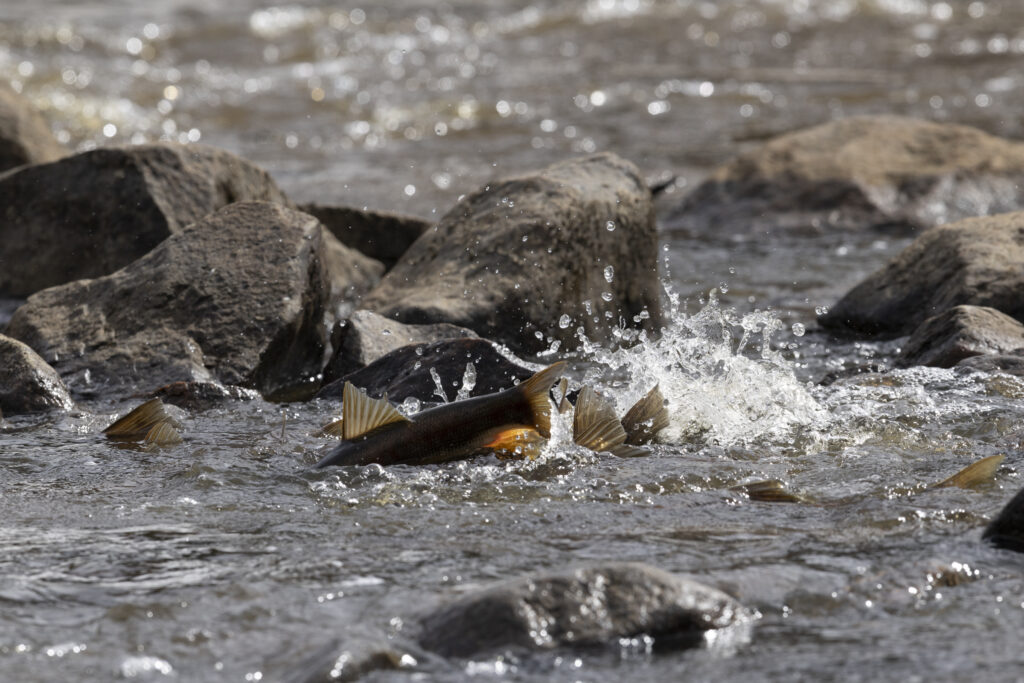
I went to the rapids. It started snowing, and the wind was strong and cold. We could see suckers gathering below the falls. In the shallower water, there were many dorsal fins visible.
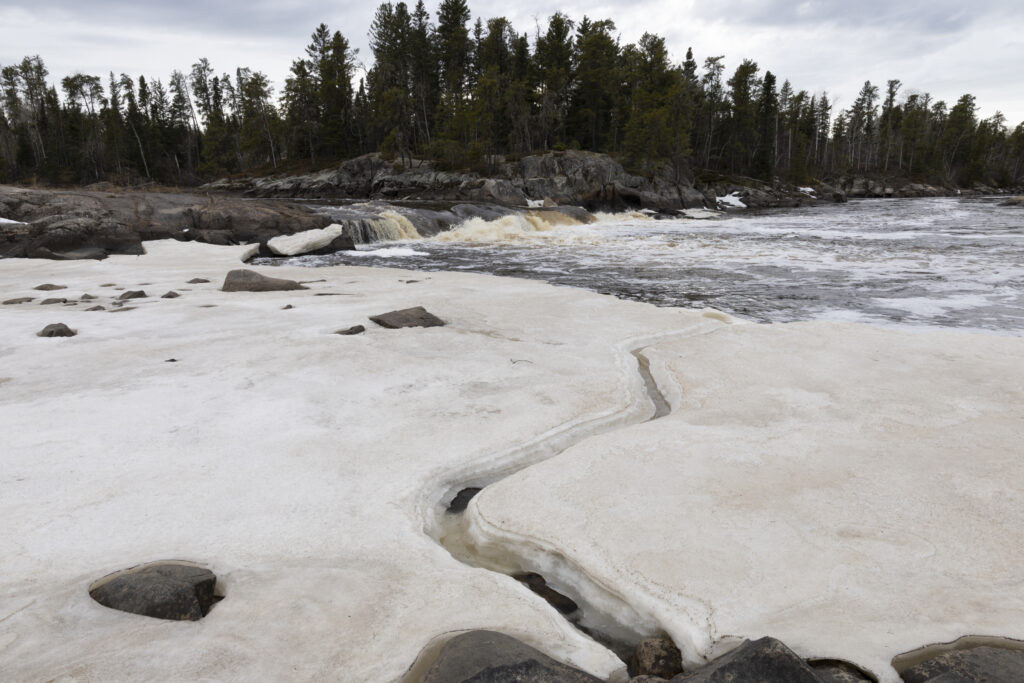
Just a few days earlier, that area had still been covered with ice.
The spawning may have started. I do not know whether it began at that exact moment or had already started somewhat earlier. New groups kept arriving one after another to spawn.
Evening | Dinner

In the evening, I had dinner with Ray and Sophia. Ray grilled steelhead for dinner, with corn and wild rice on the side. The wild rice was mixed with raisins. It was delicious.
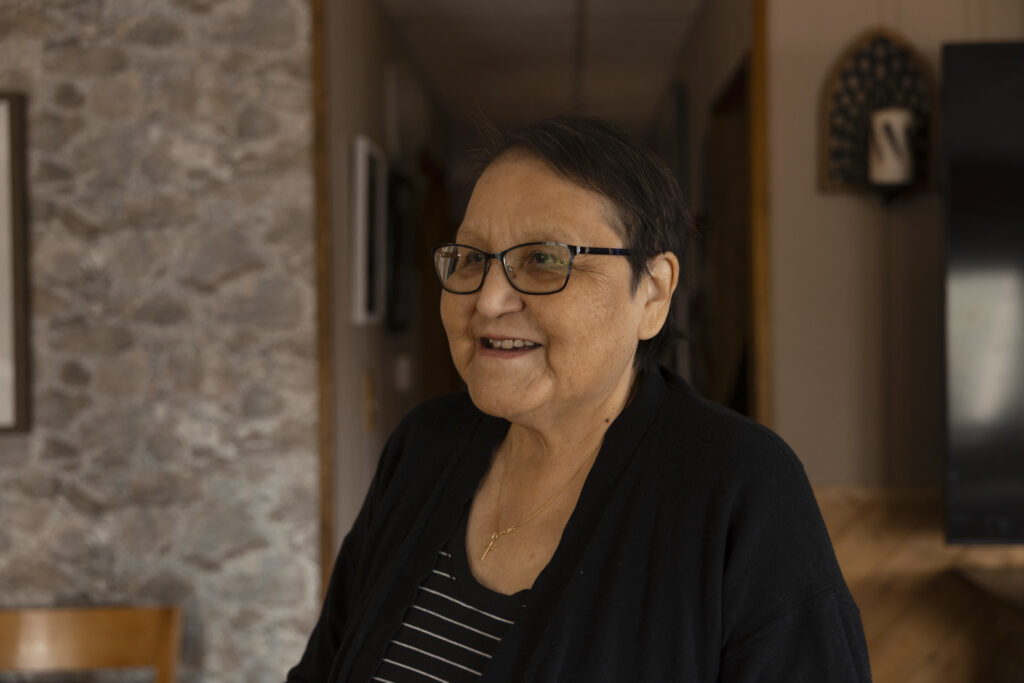
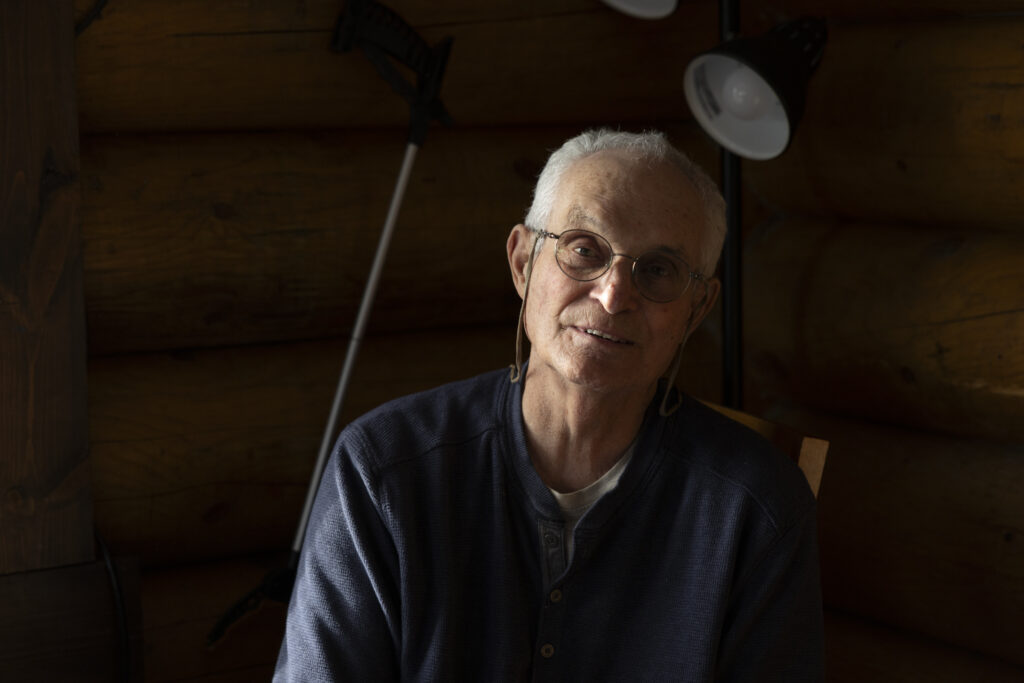
After dinner, they showed me where the community grows vegetables. On the way there, they also showed me another store in town. It’s main branch is in Berens River, and this was their second location.

The person working there was from Finland and had only arrived this January. The shelves were not very full yet. Once the lake melts, supplies can be brought in by barge.
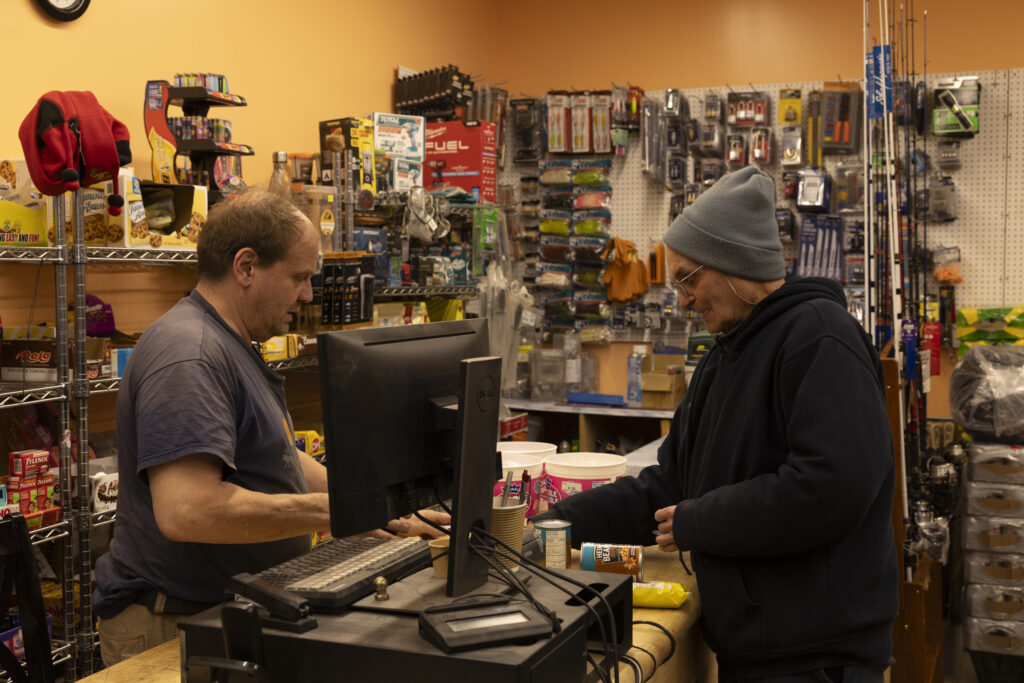
Sunday | Departure

The past days have been full of experiences and truly fulfilling. I landed at St. Andrews at 1:15pm. It is Mother’s Day.
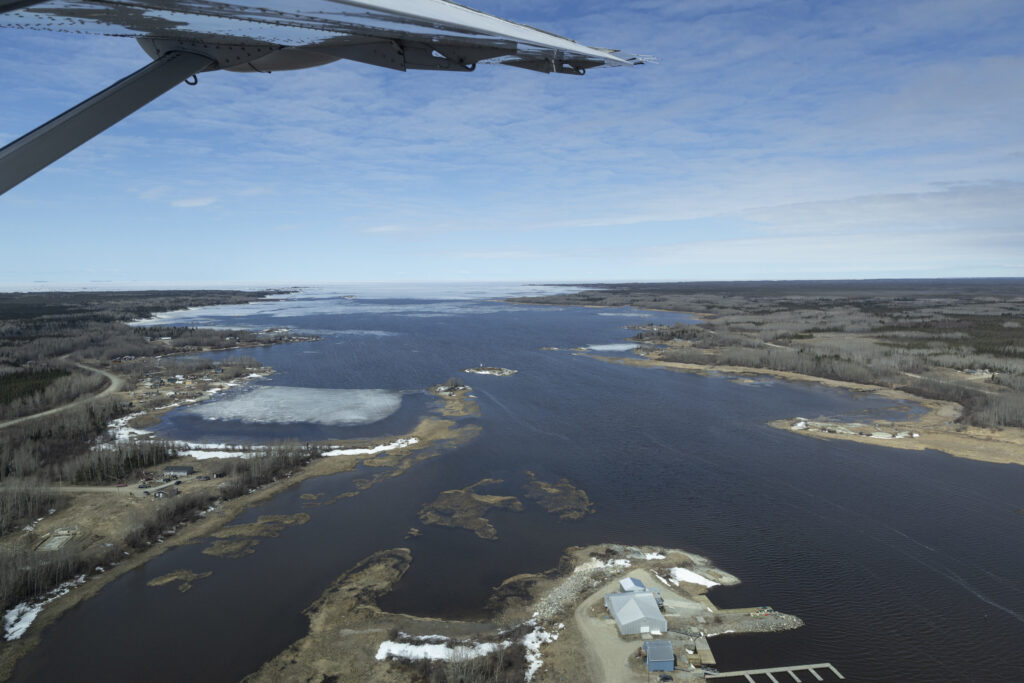
Photos: © Ōtake Hidehiro

Up Next for Hide

Hide’s work will be featured in an upcoming exhibition in Toyama, Japan. Learn more here:
Camera Museum Exhibition Page

Hide will be giving several talks throughout Japan this summer and fall, sharing stories from his travels and photography. Follow: instagram.com/hidehirootake
How to Harvest Manoomin (Wild Rice)  

March 11, 2024


The late Joe Owen of Pauingassi First Nation often reminisced about harvesting, traveling and listening to stories from his dad. Below, Joe describes the process of harvesting manoomin (wild rice).

Identify Harvest Time

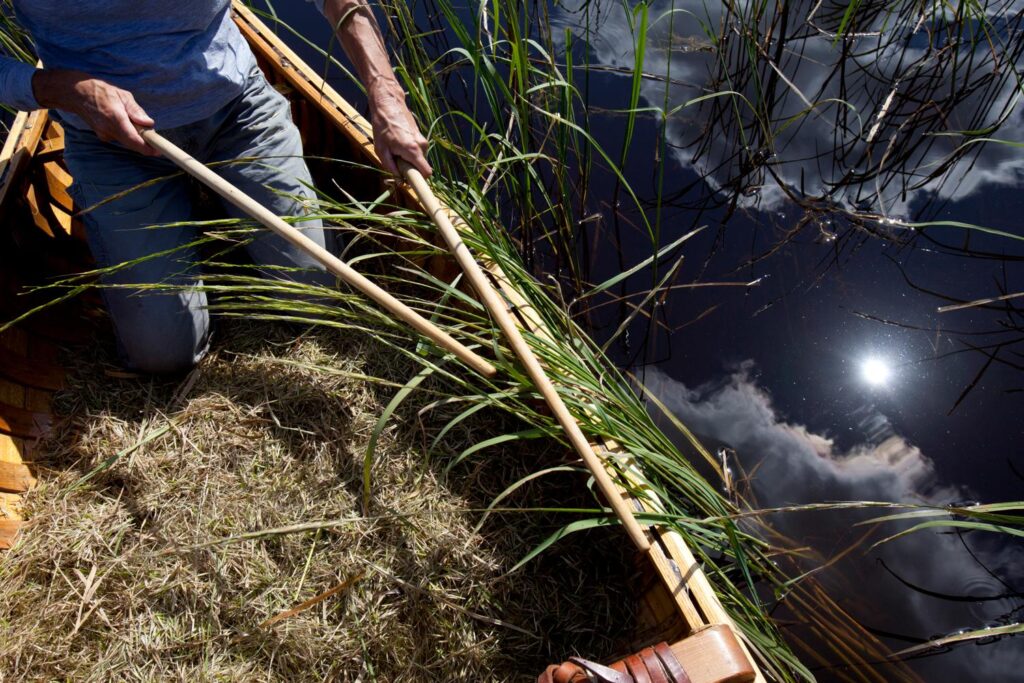
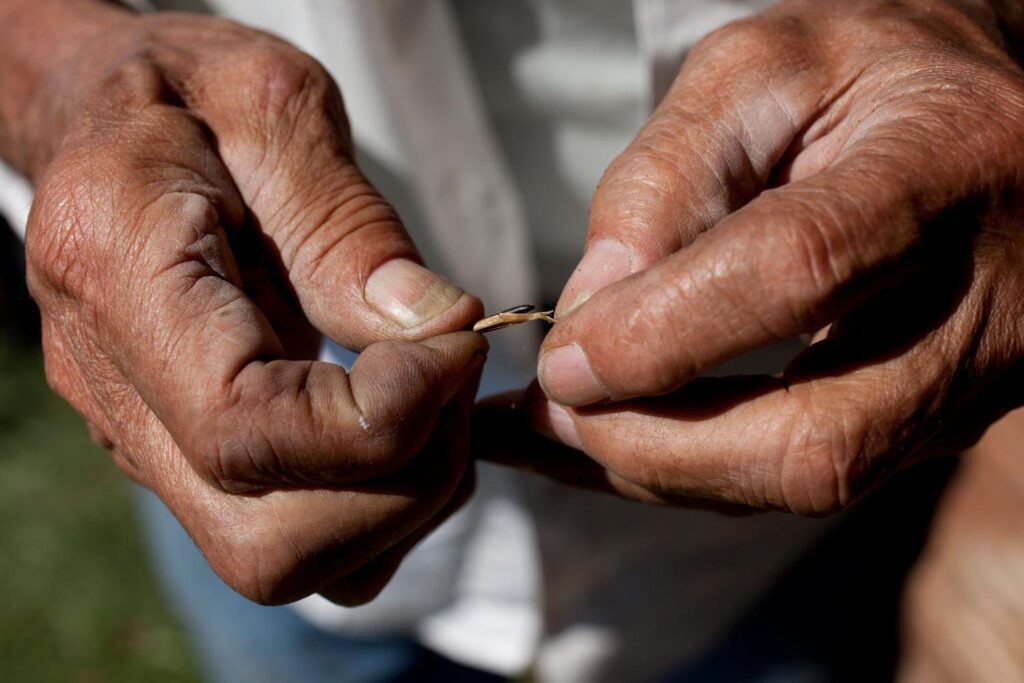
The wild rice plant needs to be above the surface of the water, with the branch extended, and pockets for the kernels formed. Once this occurs, it takes about 10 days for the heads to fill out. At that point, the kernels are ripe and need to be harvested. If this narrow time window is missed, rain or wind will cause the kernels to fall back into the lake.

Pankissinon
(Better pick them quickly before they fall)

Kwiipit (Joe’s Dad) often used this word
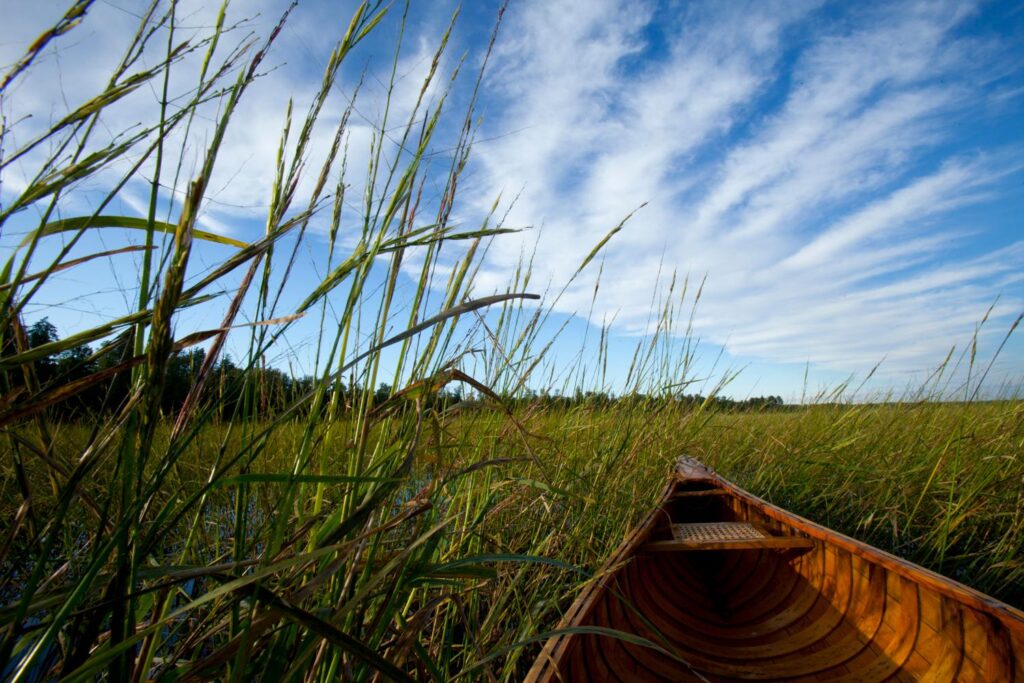
Manoomin looks like floating grass before it grows up and out of the water.
Photos: Ōtake Hidehiro

Drying Manoomin (Wild Rice)

Once the kernels are harvested, they are placed in a tall metal pail angled against the heat of the fire to heat and dry them. It is imperative that they be thoroughly dried for two reasons. First, the husking process follows the drying period and the husks won’t detach from the kernel if the kernels aren’t entirely dry. The heat needs to remove moisture and result in temperatures that cause the husk to burn, but not the rice. The second reason for needing high levels of dryness is to preserve the wild rice.  Heating of the kernel is needed to prepare for storage.

In the pot, a paddle is used to continuously stir the rice for 10-15 minutes if the quantity of wild rice is 3-4 pounds. This process is repeated over and over again during the initial drying/stirring process if greater volumes are being dried.

Ahkihkan okii apichii’an (They used a pail)
Piiwapihk ahkihk (A metal pail)
Oki wanaweyaanan ima ahkihkwonk
(It was stirred in the pail)
Apwi oki aapachii’an (A paddle was used)

Separating Husks and Kernels

Photo: Ōtake Hidehiro
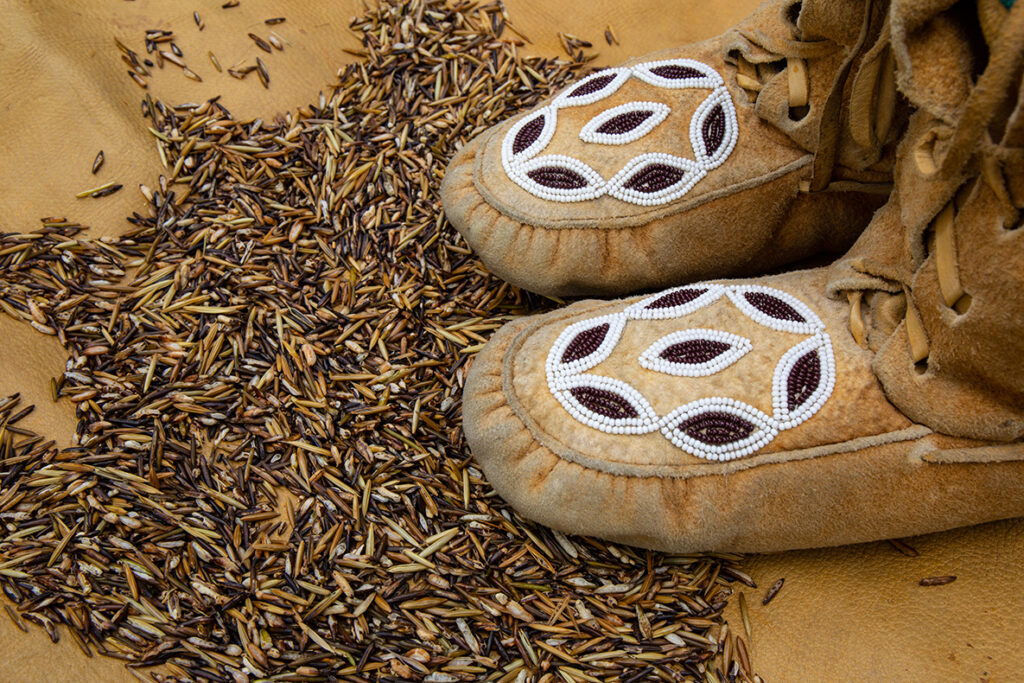
Once the drying is done, the rice is placed on a canvas in a shallow pit in the ground. Joe’s Dad would step into the pit wearing moccasins. He would stand on the rice and stir it in an agitator fashion, with his feet moving side to side, while holding a branch or stick to maintain his balance. The agitating action would separate the dry/burned husks from the rice kernels.   

Once the husks and kernels were separated, Joe’s dad would lift out the canvas and throw the kernels up and down, allowing the wind to blow away the husks.

Ahkihkwaabpihk  kii siikinaan oteshpiwepinaanan, wepash ikiweniwak (husks)
Kii pahkwachihsewak (they fall off)

Photo: Ōtake Hidehiro

Pimachiowin Aki is grateful to Joe for sharing his knowledge and Gerald Neufeld for recording Joe’s words.

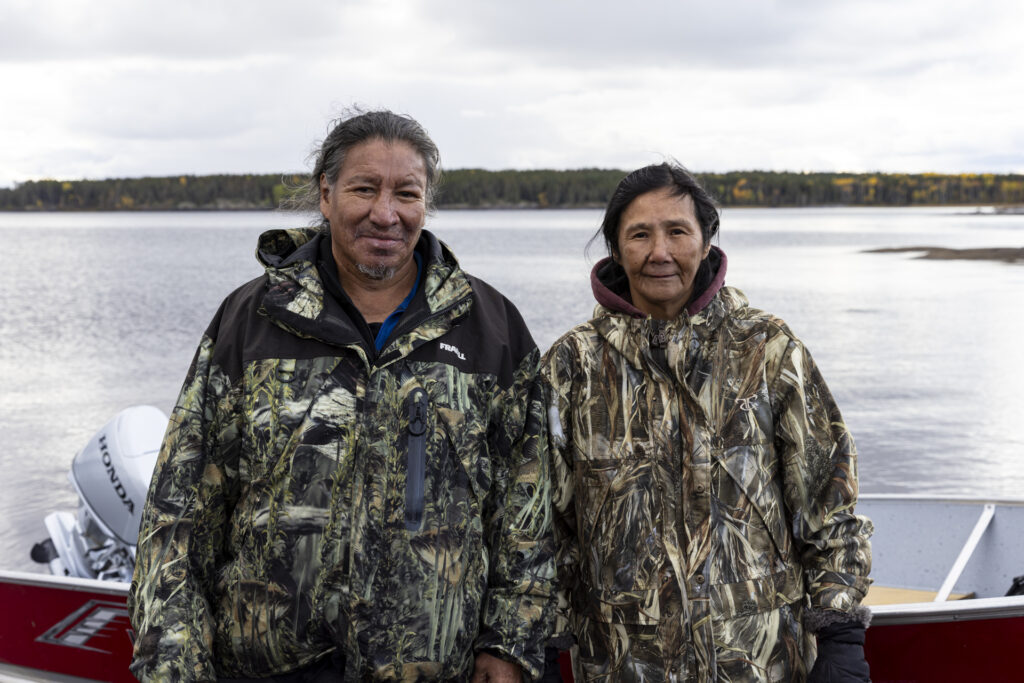
6 Days of Cultural Experiences with Pauingassi First Nation Guardian Colin Owens  

December 18, 2023

Notes & photos from nature photographer Ōtake Hidehiro

1. Thursday | Net Fishing, Sacred Rock & Plant Medicine

Colin and his wife Cora took me to set a fishing net. We boated for 4.5km to get to the netting point and put the net into water. The net was 40-50m long or so.

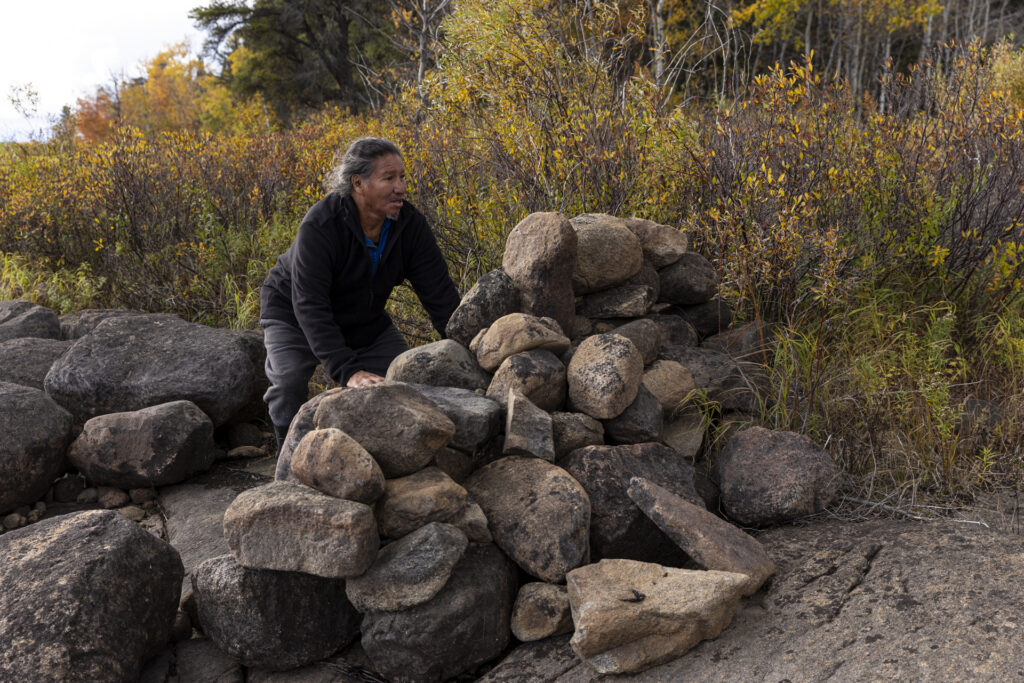
Colin took me to a sacred rock. He put tobacco under the rock. It should avoid the direct sunlight and wind so that it won’t blow away, he said. It is also a good hunting spot for geese. He showed me the blind made by rocks to hide the hunter from geese.  

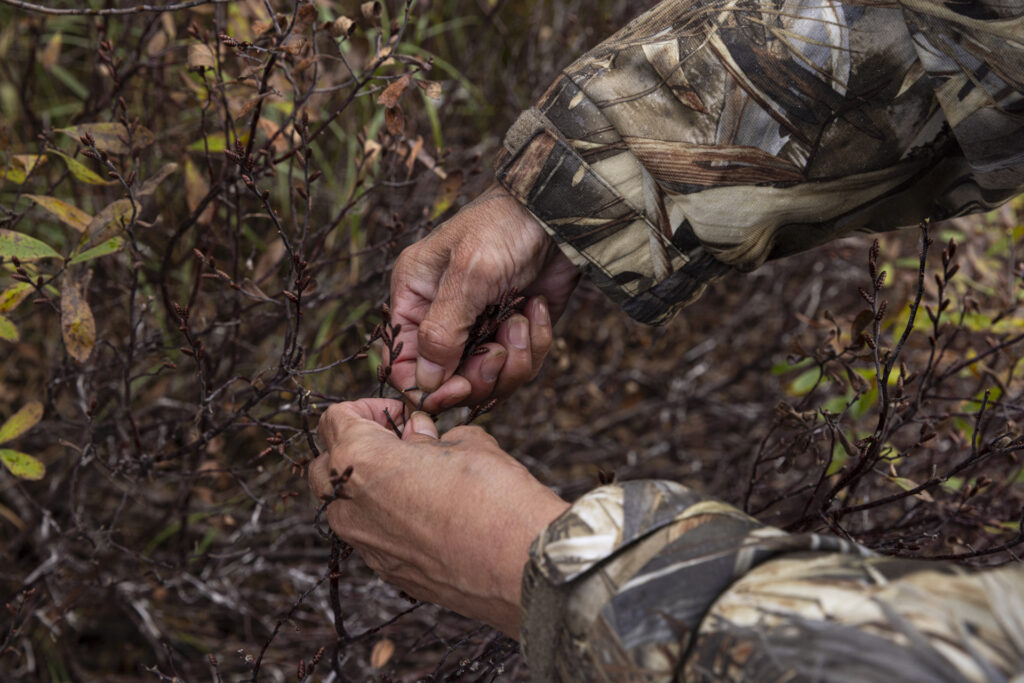
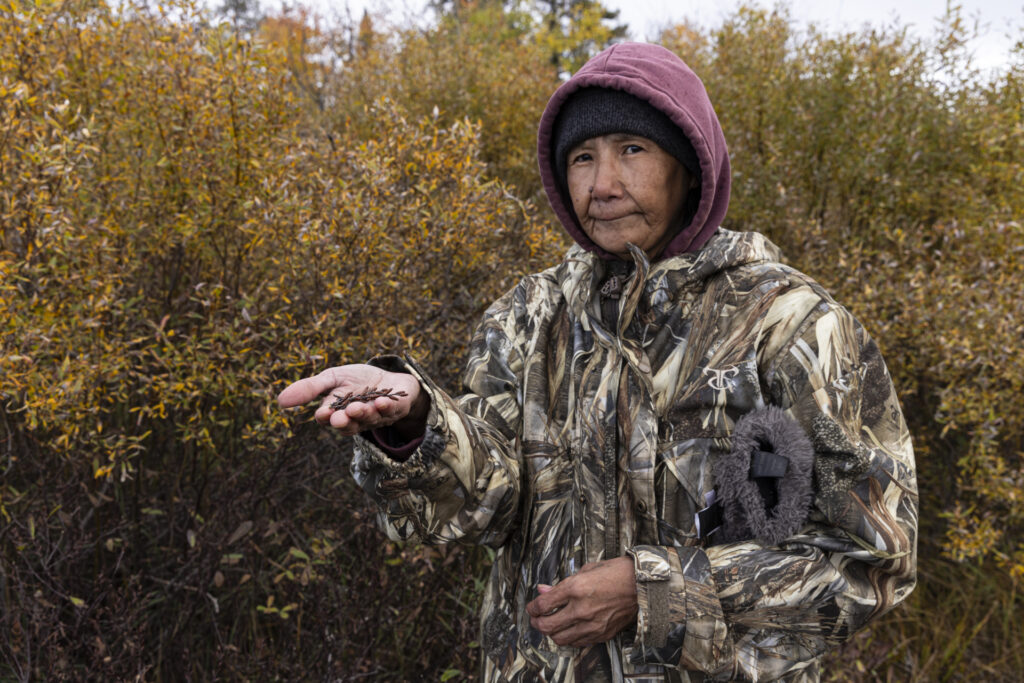
Along the shore Cora was collecting medicine plants. She took just the tip of the twig of the shrubs to get buds. “It is good for your heart,” Colin said. It has a minty, herby, refreshing taste! 

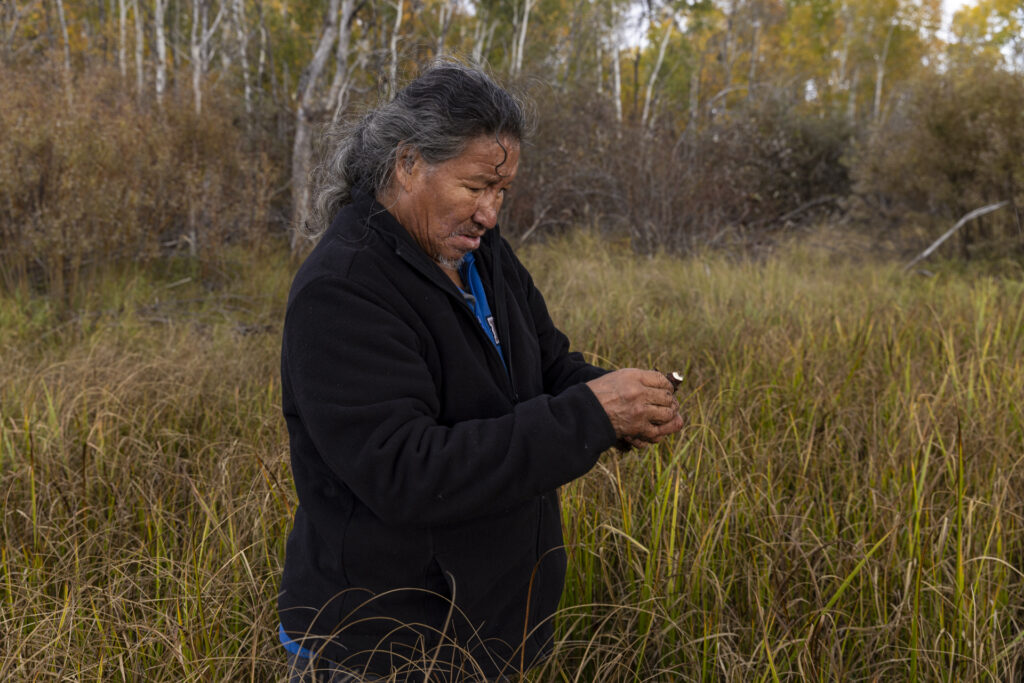
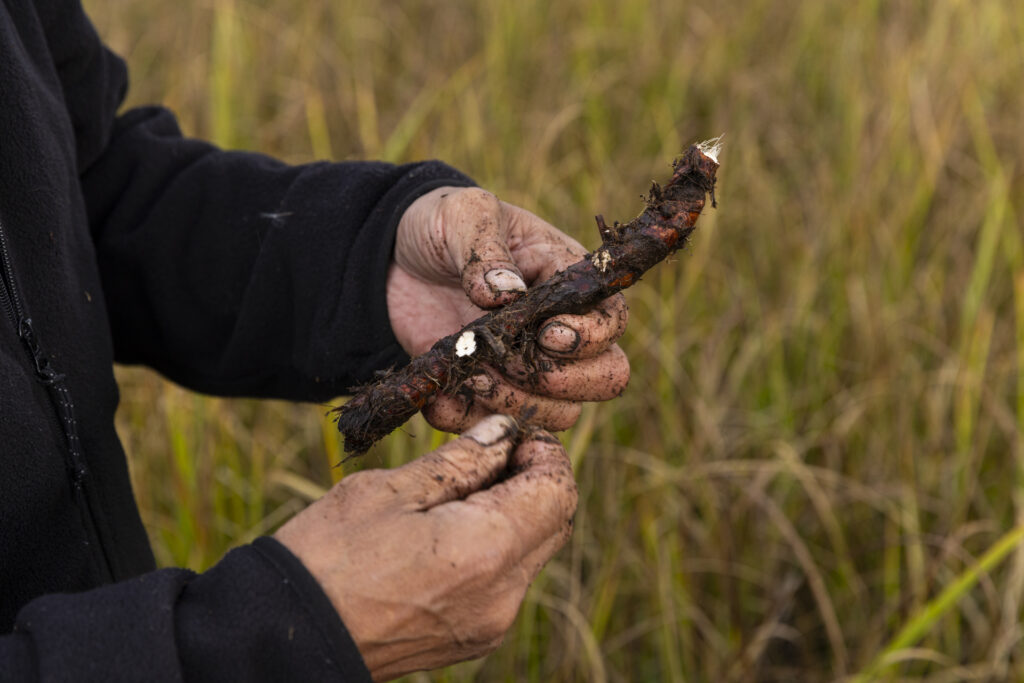
Colin also tried to get a root of sweetflag from the muddy ground for medicine.  

2. Friday | The Catch

Surprisingly, we caught many fish just for overnight! We kept 32 walleyes, two big northern pike and 14 whitefish. We put a net into water again. Colin and Cora were busy cutting fish even after dark! We went to get the net out from the water in the evening. We caught a few more fish to cut!

3. Saturday | Smoke House

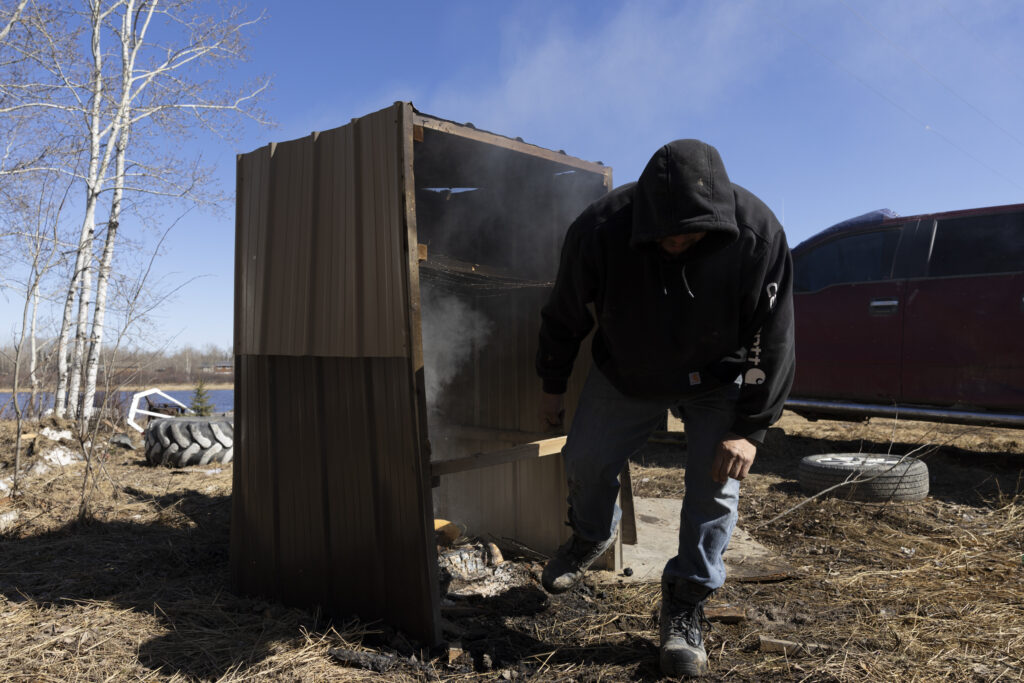
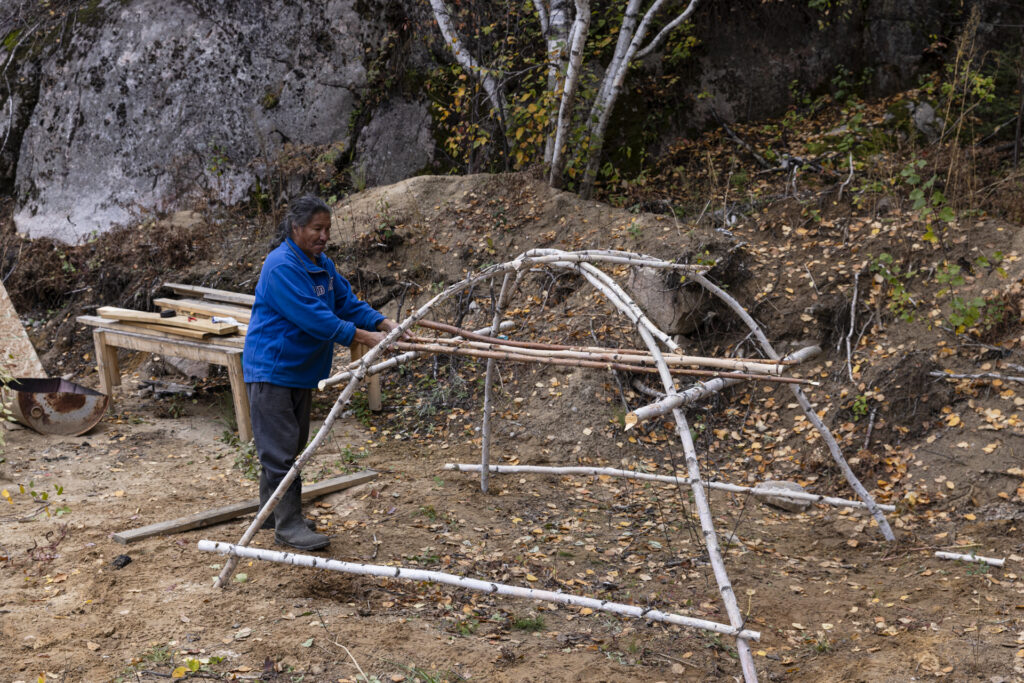
Colin built a smoke house for whitefish with fresh green birch trees for poles. He carefully selected the right size of tree, which would easily bend and be strong enough at the same time. 

Cora cooked fried bannock and fish (northern pike) for dinner.

4. Sunday | Smoking Fish

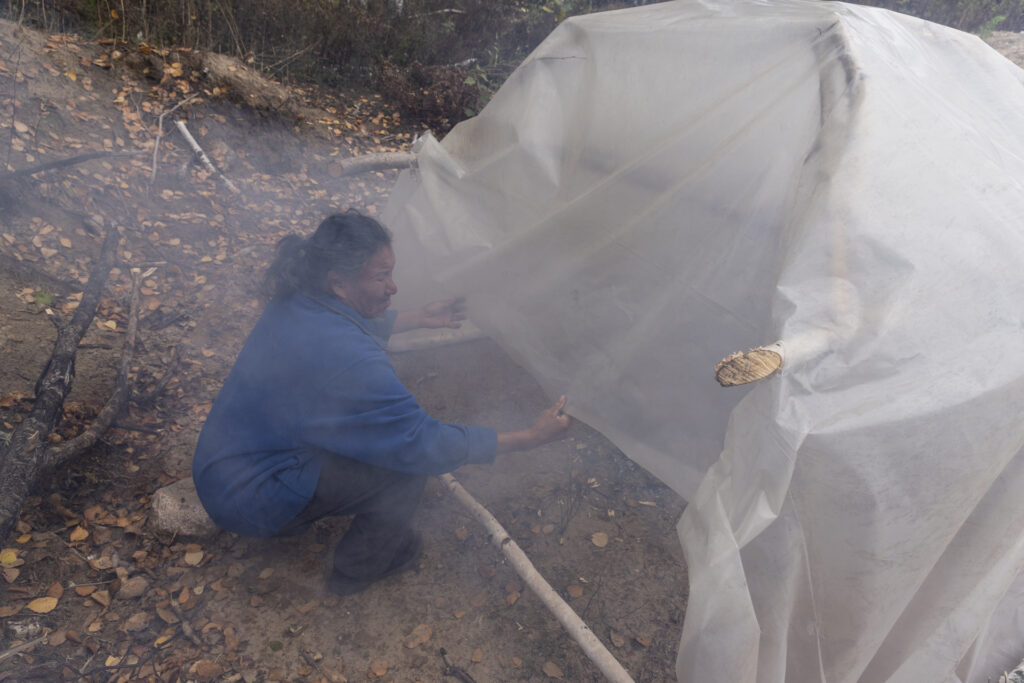
Colin started smoking whitefish around 11am. He needs old aspen trees for the smoke. He prefers almost-rotten logs, which produce a lot of smoke. He kept feeding the fire and checking the condition of the frame and temperature. It took 6-7 hours to finish. He was checking the colour of the fish meat to know if it is done or not. 

Cora cooked moose stew for dinner! It was so tasty!

5. Tuesday | Moose Call

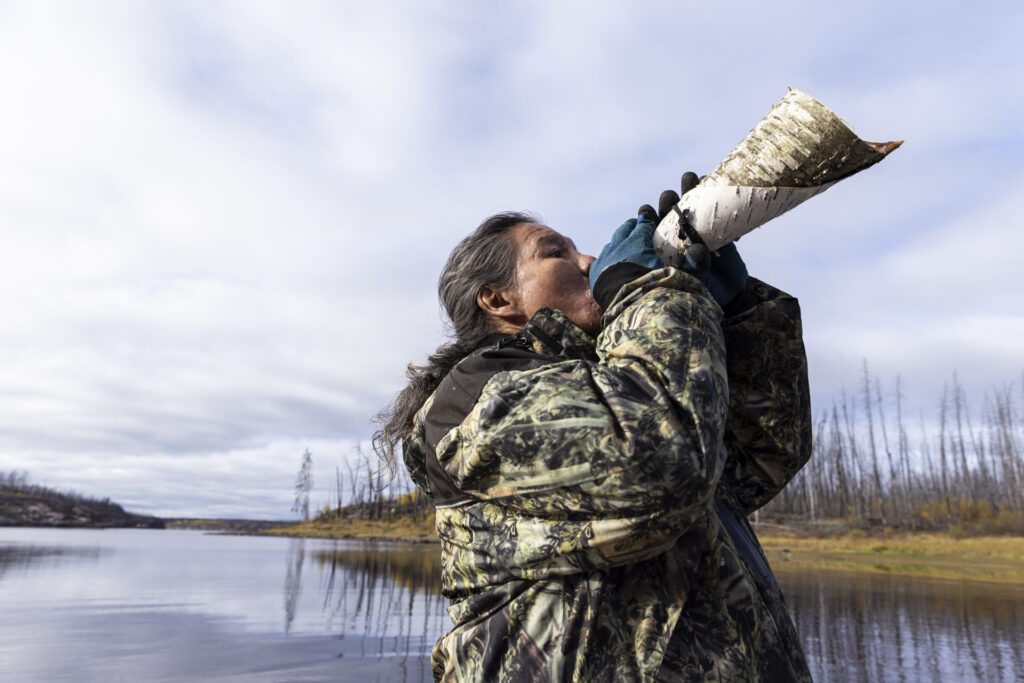
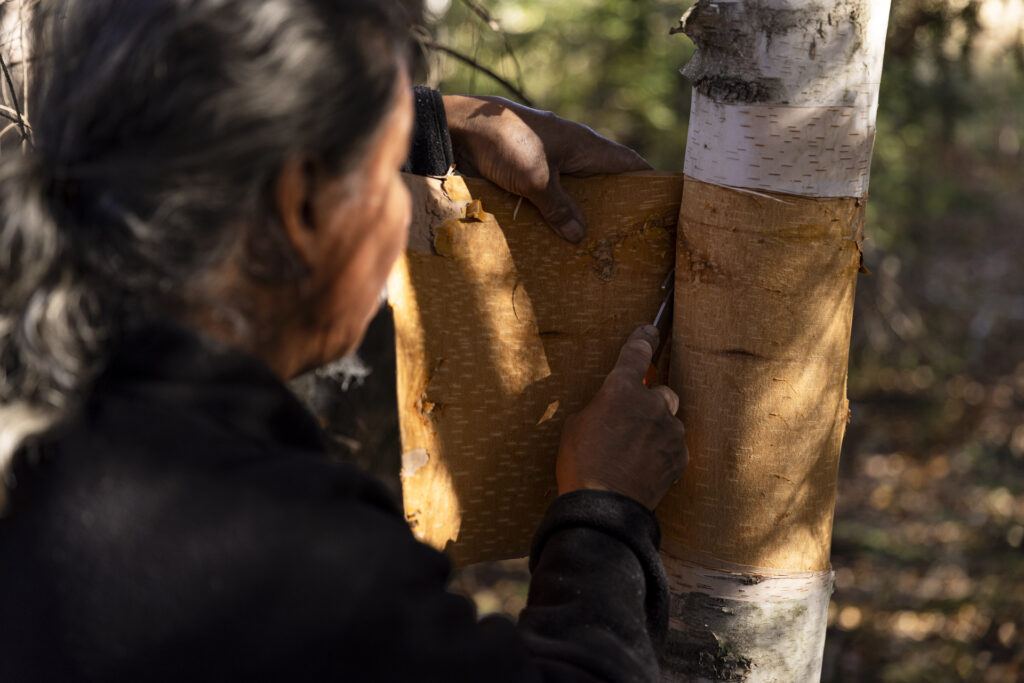
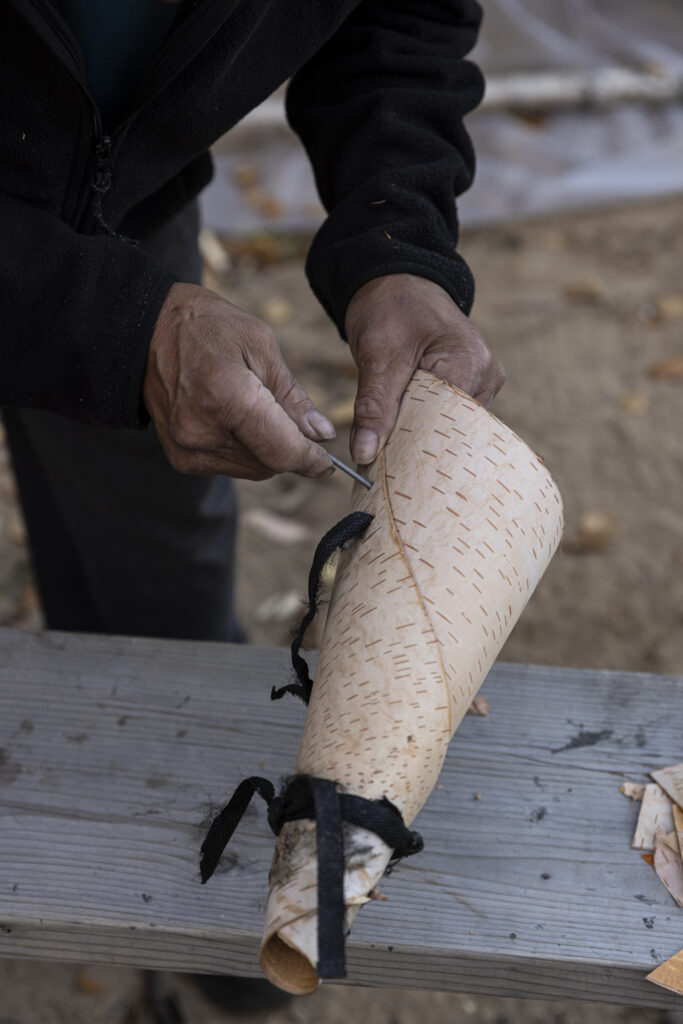
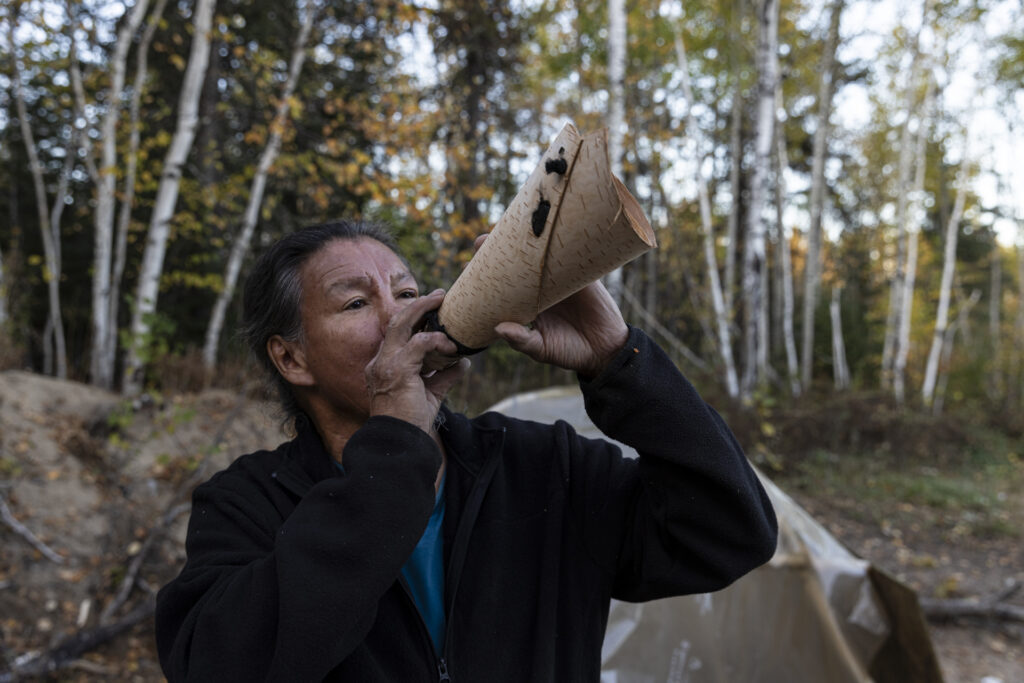
Today Colin showed me how to make a moose call out of birch bark. Colin looked for the right size tree around town but most of the trees were too old or too small. The moose call we made became a bit shorter than usual. After we made the moose call,  we drove Colin’s truck to the edge of the town and tested it on a hill. “It should work. We will try it in the bush tomorrow,” he said.

Pauingassi First Nation Guardian Colin Owens tests a moose call that he made of birch bark.

6. Wednesday | Boat Ride, Pictograph & Moose Call

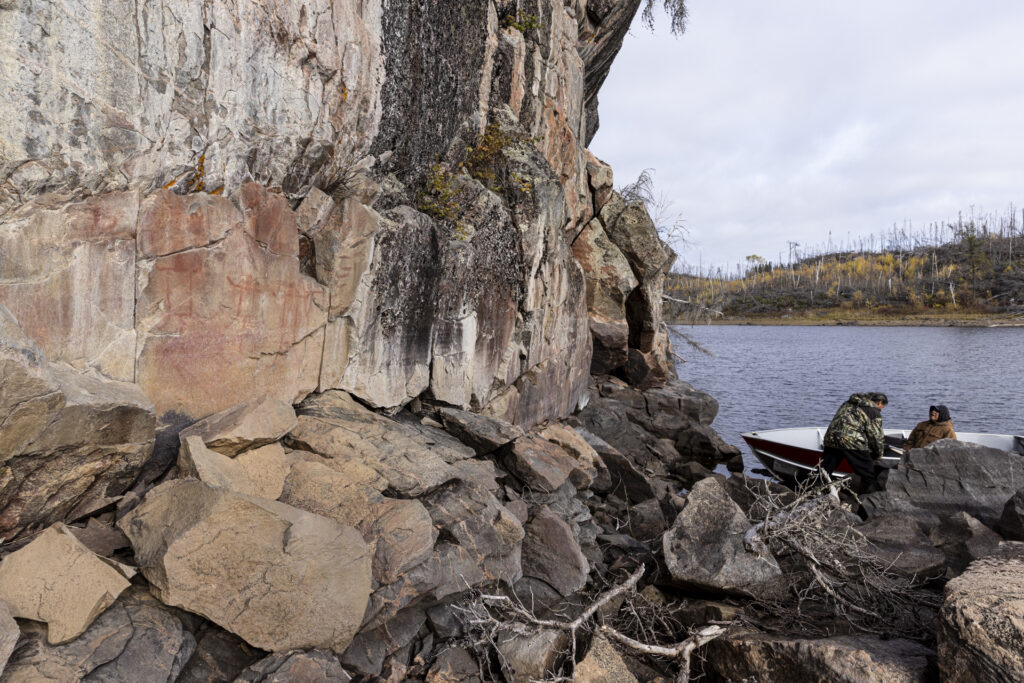
Colin took me on a boat ride! We visited a pictograph. It was very interesting to see. Colin told me that looks like three turtles and some kind of animal below it.

He brought a shotgun and rifle in case we could see any ducks, geese or moose.

We tried to call a moose in two different locations and waited for quite a long time. Unfortunately no moose came out, but it was wonderful to learn the Anishinaabe way of life on the land. 

Thank you for sharing your knowledge and experience with me, Colin!

Photos: Ōtake Hidehiro

How to Prepare Meat for Smoking

March 21, 2023

By Naomi Moar, Little Grand Rapids First Nation

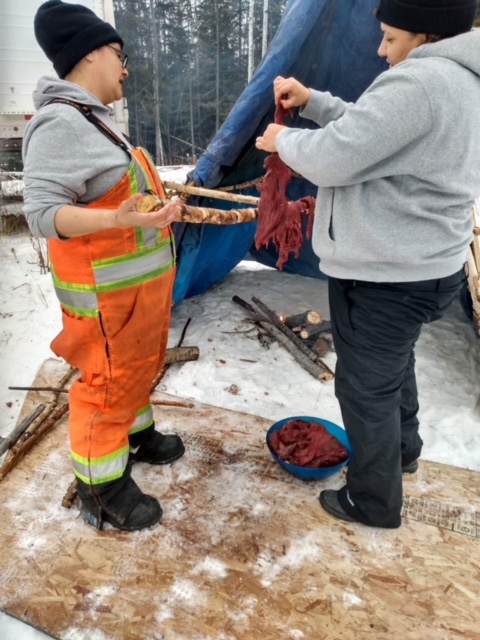
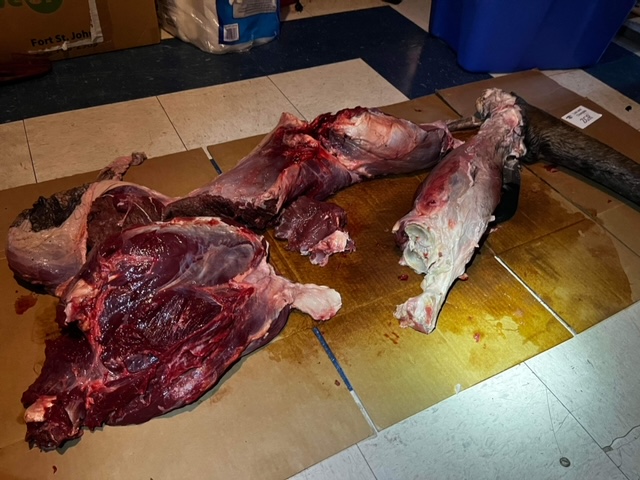
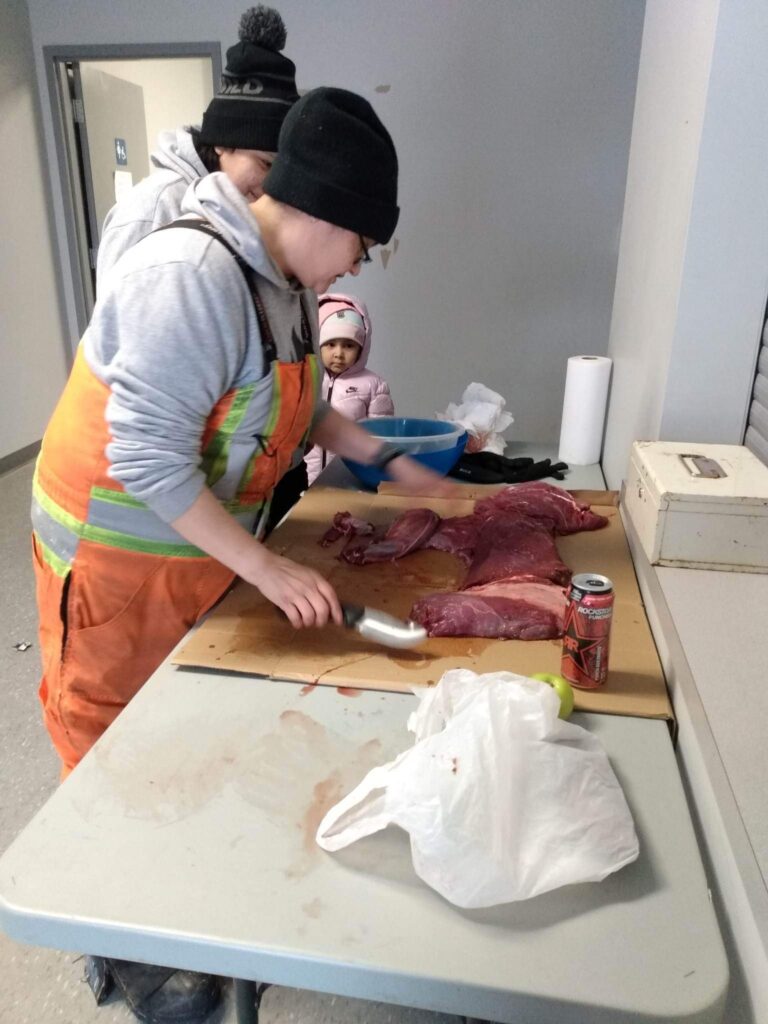
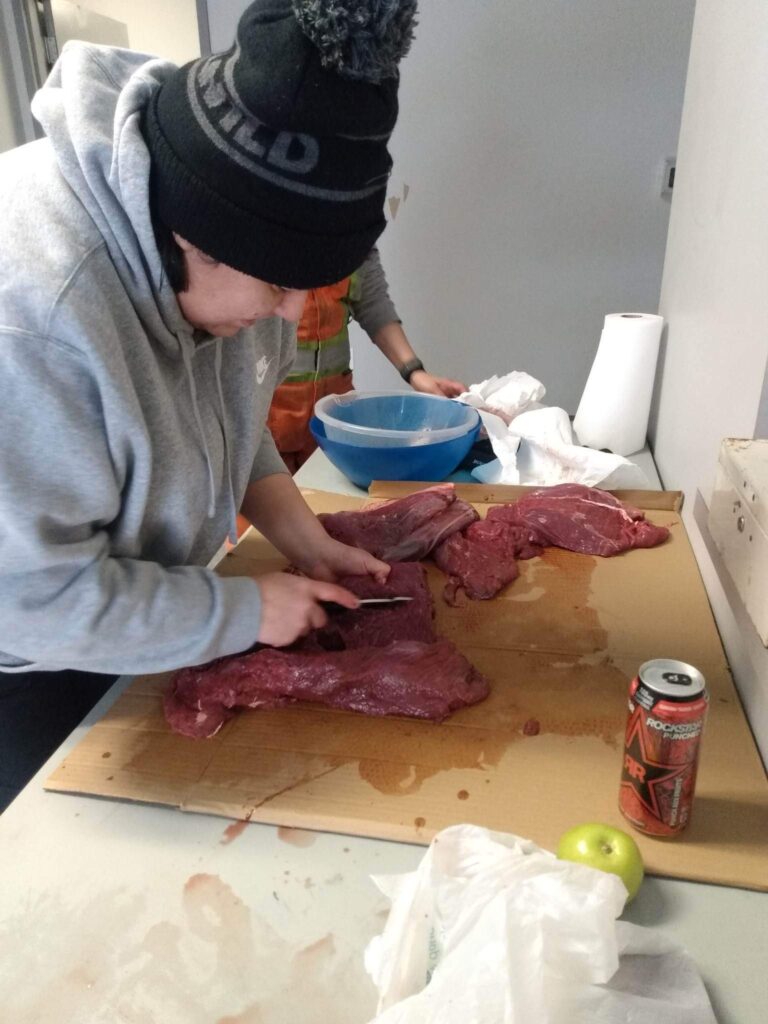
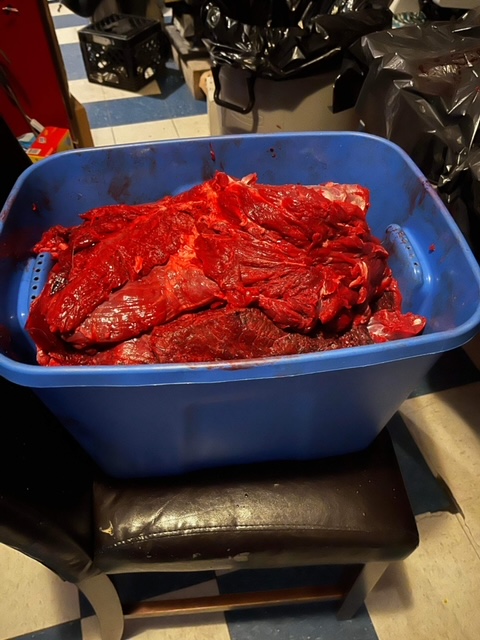
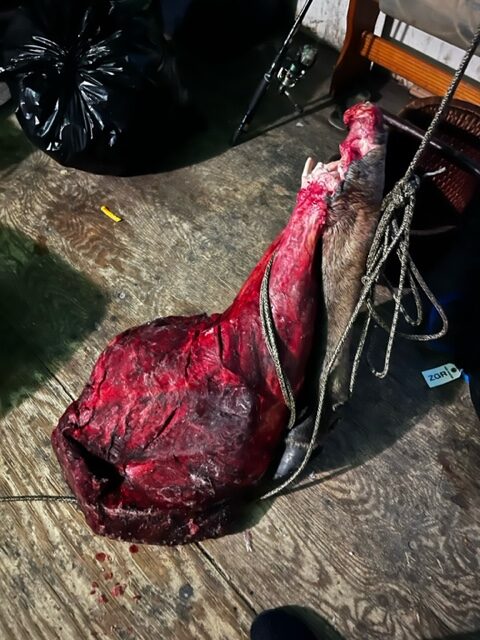
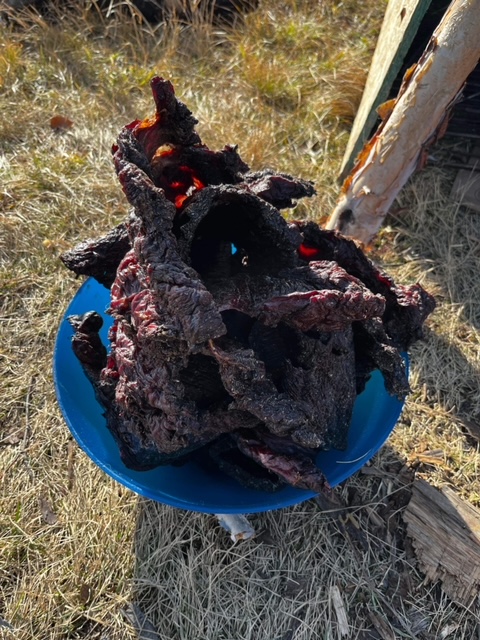
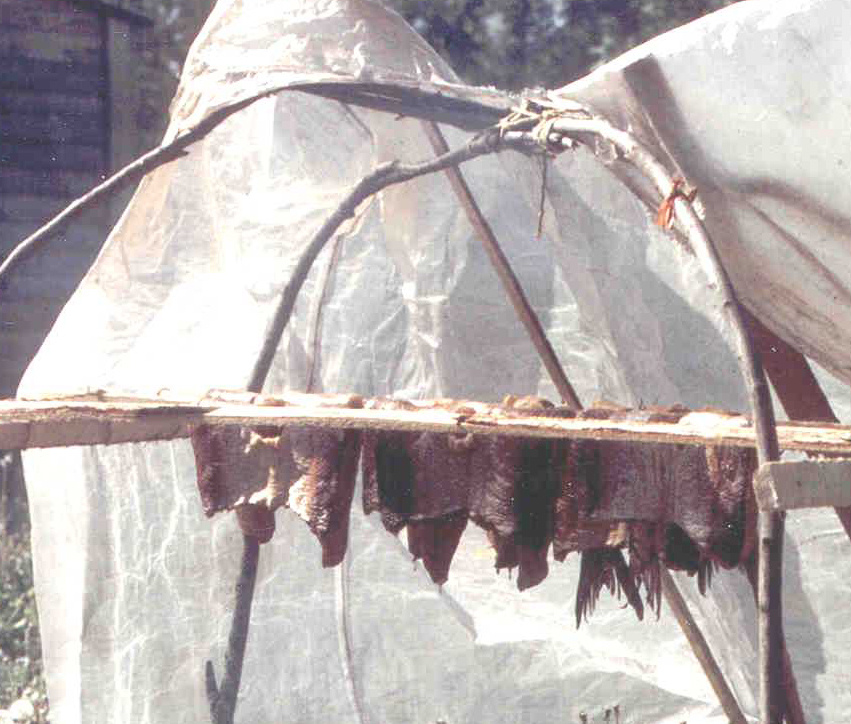
Preparing meat for smoking takes days. After the quarters are prepared and cut up, and undesired pieces are cut off, the meat has lost approximately 1/4 of its weight. All the sinew and fat are cut away.

Cutting the Meat

Each chuck is cut down the middle and then along the ‘bottom’ to create a 1/8 inch thick slice. As you cut along the bottom, you are unfolding the meat to prepare a long piece for smoking.

Depending on how many sticks you have made for the smoke shack (I usually make five), you can smoke a whole hind quarter in about six hours depending on the thickness of your cut.

Naomi Moar, Little Grand Rapids First Nation

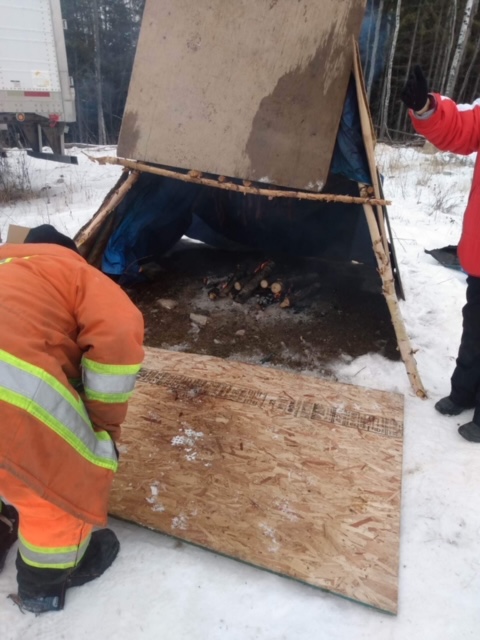
The smoke shack

This is where you will hang your meat. The smoke shack is made of red willow (after it turns white) for the frame and cooking rods.

The wood, fire and time

The wood to burn is poplar. The fire cannot be too high otherwise the meat will burn. Because we are removing the moisture from the meat, the session should take about six hours at a low burn.

Because of the cost of fire-retardant canvas, I have yet to procure one.

Everything I have learned, I learned from my grandmother.

Photos: Naomi Moar

Tips on How to Smoke Fish and Meat

June 15, 2020

After 46 years as a commercial fisherman, Frank Young Senior retired last year. That doesn’t mean he has stopped fishing. Today he fishes to feed his family, to share with Elders in the community and neighbouring communities, and to pass on traditions to his children and grandchildren.

Frank and his wife Ellen raised two daughters and a son in Bloodvein River First Nation. He says that his daughter Lisa, who now lives in Winnipeg, wants to learn how to smoke meat, and his grandchildren are interested in fishing.  

“We go out on the lake in the boat with the net. They really enjoy that,” he says.

Learning to fish, hunt and trap are a right of passage for youth living in Pimachiowin Aki, and learning how to prepare and cook meat is passed down through generations. 

“When I cut up and dry meat, my daughter always wants to be there,” says Frank, adding that his grandchildren like to watch him filet fish.

Frank has also done a lot of moose hunting, sometimes traveling a long way to “get moose just about every year.” He says that he cuts the moose into quarters to haul it home, where he then cuts it up into smaller pieces.

“My daughter wants to learn how to cut up meat into slabs and hang it,” he says. She was helping me last year. She’s very interested in stuff like that.”

If you’re interested, too, here are some tips from Frank:

The Best Wood for Smoking Fish and Meat
“Look for dead poplar trees,” says Frank. He builds a fire out of dried poplar, found right outside his home. Poplar is best because it doesn’t have sap—trees with sap make a black fire.

Frank’s Tips on How to Smoke Meat
Historically, many people would smoke meat to dry it out, to preserve it. This was in the days before electricity and deep freezers, Frank explains. “Now that we have a freezer, I still smoke meat because I like the taste of it. It’s tradition.” 

Frank hangs pieces of moose meat on sticks and smokes them.

 “There was someone who was drying meat a couple of years ago and he used spices,” Frank says. “That’s not the traditional way of doing it. I don’t use spices, just salt. That’s how it was done when I was growing up so that’s the way I do it.” 

Unlike fish, which is smoked for flavour and then boiled or cooked afterward, smoked meat is eaten right away.

Frank’s Tips on How to Smoke Fish
Frank has his own smokehouse where he smokes catfish, whitefish and goldeye. “We don’t smoke pickerel filets,” he says. “We fry those with flour and butter.”

Franks recommends using birch sticks to pierce the fish. He smokes six to eight whitefish at a time. The fire should have a small flame, he says. 

Frank closes the door and just lets it smoke. “You don’t want to dry it out,” he warns. “Just smoke it long enough to have the flavour.”

Try this Duck Fat Potato Recipe!
Fish, moose, and duck are favourite traditional foods along with delicacies like smoked meats, white fish, and pickerel caviar.

Little Grand Rapids First Nation Guardian Dennis Keeper says that duck is one of his favourite traditional foods. He notes that the ducks are especially fat this year, so he looks forward to trying this duck fat potato recipe:

https://www.foodnetwork.com/recipes/duckfat-potatoes-recipe-1957259

You can watch a video with British Chef April Bloomfield making Duck Fat Potatoes here: https://www.youtube.com/watch?v=93404IQdSSY

The recipe is on page 238 in her cookbook ‘A Girl and Her Pig: Recipes and Stories’.

Footer

Stay connected

Sign-up for seasonal news from Pimachiowin Aki.


  • Facebook
  • Twitter
  • Instagram
  • YouTube

  • Contact
  • Visit
  • Shop
  • Donate
  • Legal
  • Privacy Policy

© 2026 Pimachiowin Aki

Built by PeaceWorks