• Skip to primary navigation
  • Skip to main content
  • Skip to footer

Pimachiowin Aki

World Heritage Site

  • News
  • Resources
  • Visit
  • Home
  • Shop
  • Donate
  • Contact
  • About Us
    • Pimachiowin Aki Assembly of Partners
    • Board of Directors
    • Timeline
    • Communities
      • Bloodvein River First Nation
      • Little Grand Rapids First Nation
      • Pauingassi First Nation
      • Poplar River First Nation
    • Annual Reports
  • Keeping the Land
    • Our Work
    • Cultural Heritage
    • Wildlife and Habitat
    • Sustainable Economies
    • Guardians Program
      • Colin
      • Melba
      • Owen
      • Dennis
    • Education
  • The Land That Gives Life
    • Boreal Forest
    • Calendars
    • Climate
    • Cultural Sites
    • Habitation
    • Harvesting
    • Language
    • Named Places
    • Plants
    • Travel Routes
    • Water
    • Wildfire
    • Wildlife
  • Fast Facts
  • Search
  • Facebook
  • Twitter
  • Instagram
  • YouTube

Cultural Heritage

Winter Solstice! & Other Celebrations to Enjoy this Season

December 17, 2019

There is a lot of joy to experience right now in Pimachiowin Aki, including these celebrations:

1. Joyful Month – Kissing Month

As people gather for winter celebrations, they greet each other affectionately—with a handshake and a kiss on the cheek—so December is known as the joyful month and January is known as the kissing month. In Pauingassi First Nation, December includes a Christmas dinner for the entire community. There is a similar feast for the Bloodvein First Nation community, with each household receiving a turkey.

2. Winter Solstice

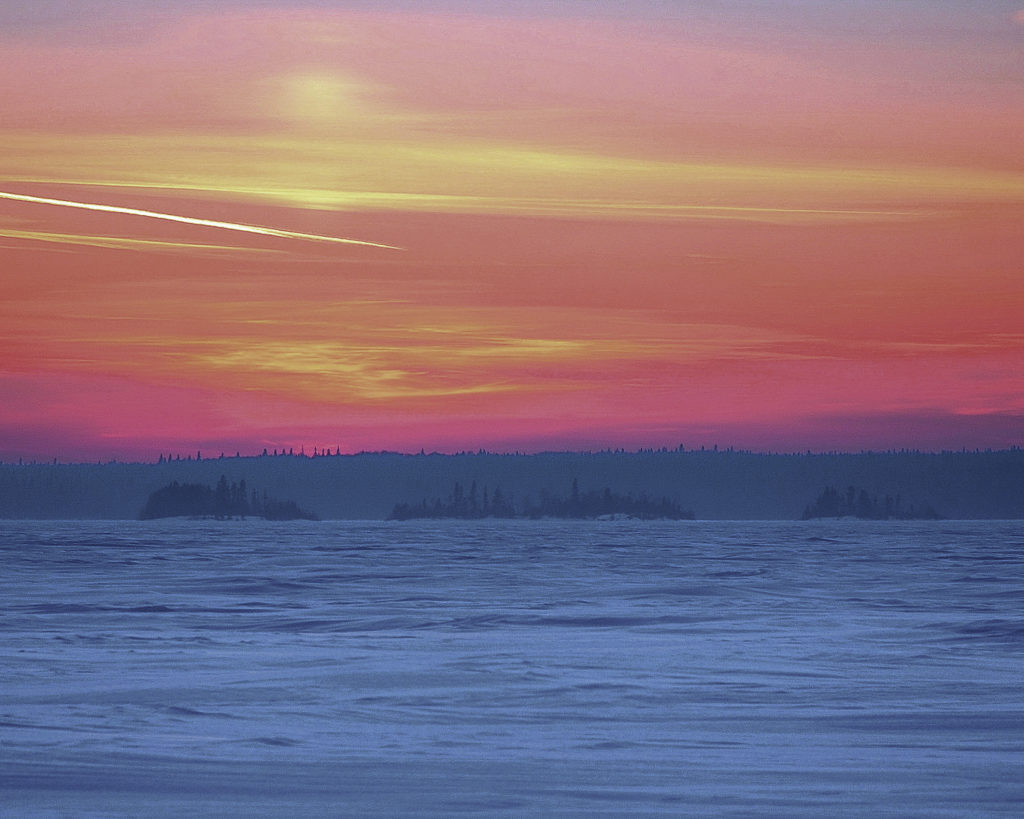
December 21 marks the day with the shortest period of daylight in 24 hours and the longest night of the year (in the Northern Hemisphere), all thanks to the tilt of the earth.  

This date also means that winter is officially here. In Anishinaabemowin, winter is called Beepoon. The December moon is called makoshkish giizis and is known as the joyful moon. 

The colder, shorter days bring with it a peaceful silence, a kind of muffled quiet as you walk outdoors to gaze at the stars in the night sky. Enjoying a warm fire, being cozy under a blanket, ice-skating, playing hockey on the frozen lake, snowshoeing, tobogganing, and cross-country skiing are just some of the activities to look forward to as we celebrate the joys of winter. 

3. Magu zhi giizhigan & O gen du giizhigan

Younger generations of Anishinaabeg follow the 12-month calendar, but Elders in Pimachiowin Aki used the seasons to measure the days. We followed the 13 moons, which meant 13 months of 28 days, explains Bloodvein First Nation Guardian, Melba Green. “They didn’t really have holidays like Christmas and Thanksgiving,” she says. Today, many people in Pimachiowin Aki celebrate Christmas, known as Magu zhi giizhigan, and the New Year, known as O gen du giizhigan.
Filed Under: Cultural Heritage, First Nation Communities, Indigenous Language Tagged With: Anishinaabemowin, Bloodvein River First Nation, guardian, Pauingassi First Nation

Look Away from the Geese (and Other Fall Tips)

September 16, 2019

With Waatebagaa-giizis (September) comes the ‘leaves changing colour’ moon. The days become shorter, the air feels chillier, and we know that takwagin (fall) is upon us. The communities in Pimachiowin Aki ready for winter by harvesting medicines like wiikenzh (sweet flag), picking manoomin (wild rice), and collecting wood. Other preparations for the colder months include hunting moose, duck and geese.

Traditionally, the men in the communities do the hunting—while men know when to hunt for which animal, women know which medicines to harvest and when. Bloodvein First Nation Guardian Melba Green says that this kind of knowledge has been passed down through generations “from our ancestors.” For Anishinaabeg, it’s like instinct, she says. “We know which way to go, by following the trails for many years.”

Anishinaabeg know that the shorter, cooler days of fall and the leafless fall forests provide ideal conditions to hunt moose as the animals concentrate along the rivers, lakes, and forest openings to mate, Melba adds. 

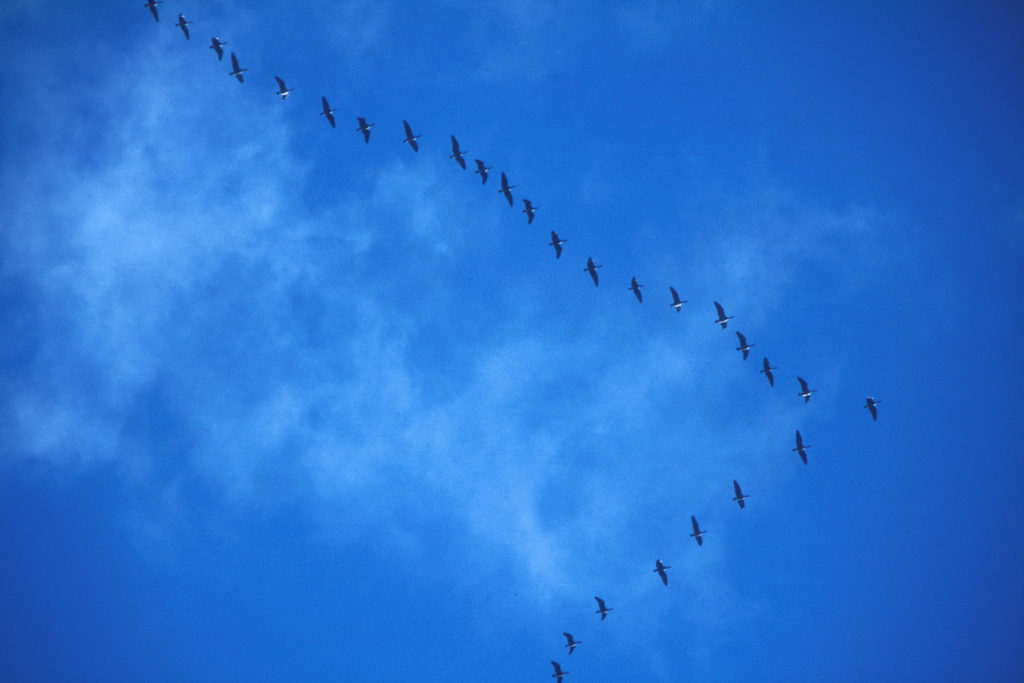
Tradition tells us that hunting on a windy day may prove more successful, she says. The noise made by the moving trees helps to camouflage the sound of a hunter’s feet. Also in the fall, legend cautions Anishinaabeg to not watch the Vs of geese flying south or it will be a long and hard winter.

Come October, trappers will set their sights on muskrat, beaver and otter, and will dry the pelts for future use. The taste of the beaver meat changes after the first snowfall, making this the best time to harvest.

Melba says that Anishinaabeg share their knowledge with each other. “If one wants to know how to skin an animal, you can go to a trapper and they will share their knowledge. It’s been like that for many, many years,” she explains.

Photo: Hidehiro Otake

Filed Under: Indigenous Language, Indigenous Traditional Knowledge Tagged With: Anishinaabemowin, guardians, harvesting, hunting, moon, moose, trapping

Naming Our Ancestors

June 25, 2019

Aniin (Hello)! Languages play an important role in the daily lives of all people and contribute to the world’s cultural diversity. But thousands of Indigenous languages have been in danger of disappearing for many years. 

We are excited to share that in 2019, the International Year of Indigenous Languages, language preservation is happening all over Pimachiowin Aki. One such example is the work being done by Gerald Neufeld. Gerald grew up in Pauingassi. For almost 20 years, he has been meeting with every community in Pimachiowin Aki and going through ancestral photos with residents to help identify Elders. This is Gerald’s way of giving back. He knows that making a connection to the past is important to current and future generations.

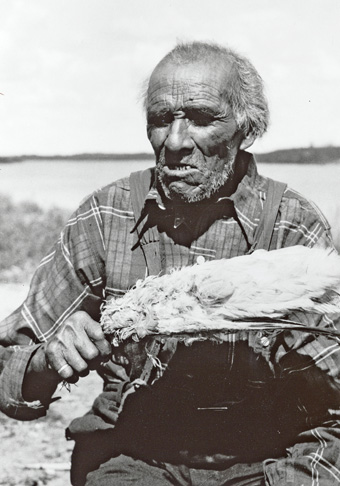
Fairwind (Naamiwan), a renowned medicine man from Pauingassi
Fair Wind (Naamiwan)

Gerald has been giving presentations to schools and community members, and the Pimachiowin Aki Board of Directors. Pimachiowin Aki is grateful to Gerald for volunteering his time and energy to maintain the language, songs and stories that form the unique cultural link between Anishinaabeg and Aki (the land). You’ll hear more about Gerald’s work in a future newsletter—about the Elders he has identified, like Fair Wind (Naamiwan), a renowned medicine man from Pauingassi, and the people he is still looking for answers about. Maybe you’ll be able to help him identify a photo?

Named Places

By documenting our ancestors’ names, we recognize and honour them. This is true, also, of documenting named places.

Each place in Pimachiowin Aki is known, understood and named. Some places are named after the topography or plant life found in the area. Other names reflect the histories of the people who have traveled through, observed, and made use of the land—like Kookooko’oosagasawining (Owl Smoking Island) on Poplar River ancestral lands, named after a woman Elder named Owl, where smoking ceremonies took place.

When my father was describing where he had been, he would say to us kee’apay namaytoowag, which means he could still feel the presence of people who had been there before. The stories of our ancestors are connected to those places and to us by the place names. 

—Sophia Rabliauskas

Poplar River First Nation has researched and documented 150 named places, and forwarded them to the Canadian Geographical Names Database so that they will show up on official maps sold to the public, and on popular sources like Google Maps.

Connecting Youth

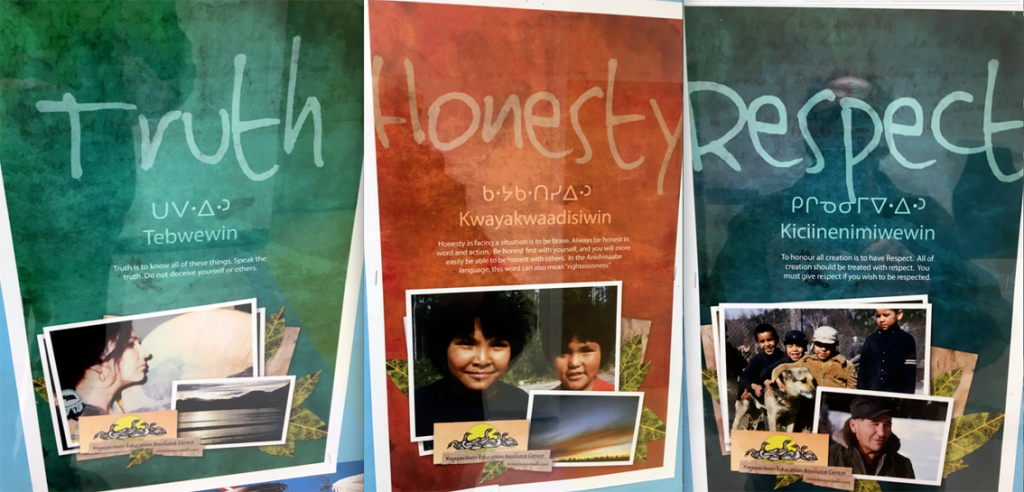
Truth, Honesty, Respect posters

Posters line the hallways of schools in the four First Nations communities in Pimachiowin Aki. The posters feature inspiring messages and named places, giving meaning to these places and helping to keep their stories alive.

Follow us on Facebook to see more photos and information about language, culture and Keeping the Land in Pimachiowin Aki.

Filed Under: Cultural Heritage, Indigenous Language, Uncategorised Tagged With: Anishinaabemowin, Gerald Neufeld, Mapping, Named Places, Pauingassi First Nation

  • ⟨
  • Go to page 1
  • Interim pages omitted …
  • Go to page 4
  • Go to page 5
  • Go to page 6

Footer

Stay connected

Sign-up for seasonal news from Pimachiowin Aki.


  • Facebook
  • Twitter
  • Instagram
  • YouTube

  • Contact
  • Visit
  • Shop
  • Donate
  • Legal
  • Privacy Policy

© 2026 Pimachiowin Aki

Built by PeaceWorks