• Skip to primary navigation
  • Skip to main content
  • Skip to footer

Pimachiowin Aki

World Heritage Site

  • News
  • Resources
  • Visit
  • Home
  • Shop
  • Donate
  • Contact
  • About Us
    • Pimachiowin Aki Assembly of Partners
    • Board of Directors
    • Timeline
    • Communities
      • Bloodvein River First Nation
      • Little Grand Rapids First Nation
      • Pauingassi First Nation
      • Poplar River First Nation
    • Annual Reports
  • Keeping the Land
    • Our Work
    • Cultural Heritage
    • Wildlife and Habitat
    • Sustainable Economies
    • Guardians Program
      • Colin
      • Melba
      • Owen
      • Dennis
    • Education
  • The Land That Gives Life
    • Boreal Forest
    • Calendars
    • Climate
    • Cultural Sites
    • Habitation
    • Harvesting
    • Language
    • Named Places
    • Plants
    • Travel Routes
    • Water
    • Wildfire
    • Wildlife
  • Fast Facts
  • Search
  • Facebook
  • Twitter
  • Instagram
  • YouTube

First Nation Communities

Ancestry Puzzles: Solved & Unsolved

March 15, 2022

Gerald Neufeld’s (Kaahkaapish) painstaking genealogical research has solved several ancestral mysteries, including the four below. Can you help him solve number 5?

1. Choshup | Joseph Crow Jr. (Sturgeon Clan)
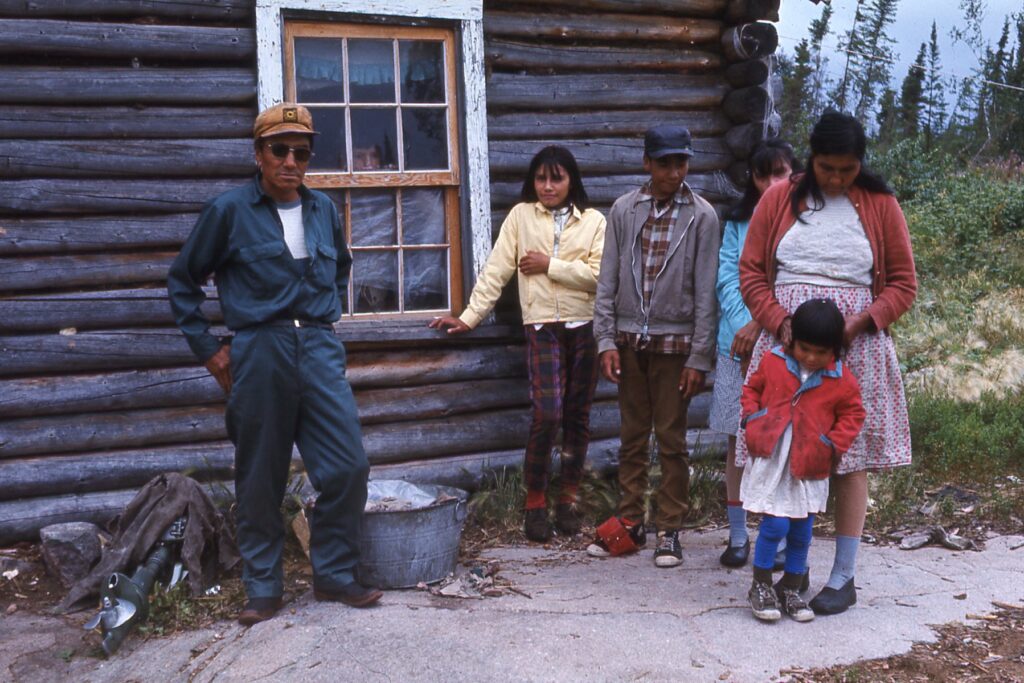
Family at Pauingassi First Nation, 1970 | Photo: Henry Neufeld

Choshup—Joseph Crow Jr. (Sturgeon Clan)
Wapishkiink—daughter Helen Crow
Cheni—son Jerry Crow
Ahkahk—wife Bella Pascal (Kingfisher Clan)
Young girl—not confirmed

Joseph Crow Jr. was the eldest son of Joseph Crow, Sr. (A’aasi, which translated to English means ‘Crow’ and was thus assigned Crow as last name by an Indian Agent) and Elizabeth Quill (Shaapohkamikohk) (Hallowell A294).  Joseph Jr. was born in Pikangikum, Ontario. He moved with his father and siblings to Pauingassi sometime after his mother passed in approximately 1934.

Father’s side

Grandparents

Nihtaawisens (Henry McColl) of Pikangikum First Nation
Ishkwaantemo (Mary Pascal) of Little Grand Rapids First Nation

After Nihtaawisens passed, Ishkwaantemo moved to Pauingassi and married Okimaa. Okimaa was half-brother of Naamiwan and son of Shenawakoshkank of Pauingassi. Shenawakoshkank (passed 1881/82) is viewed as having been the patriarchal head of the Moose Clan from that era. 

Great grandparents—Nihtaawisens’ parents

Sukashki (E. McColl)
Minchimoo (great grandmother)

Mother’s side

Grandparents (both of Pikangikum)

Inchoke (Joseph Quill) (Moose Clan)
Inkoke (also named Kakike’ ihkwe)  

Inchoke is one of two men after whom the school in Pikangikum First Nation is named. Inchoke is the eldest son of Pishiw (Sandy Owen) who in turn, was the eldest son of Shenawakoshkank of Pauingassi First Nation. 

Pishiw was raised in Pauingassi. When he married, he moved to Stout Lake (in Ojibwe, called Kihchi Opaawankaank), located on the Berens River part way between Little Grand Rapids and Poplar Hill, east of Moar Lake (formerly Eagle Lake).

2. Kohko’o (Charlie Moose Owen) | Moose Clan
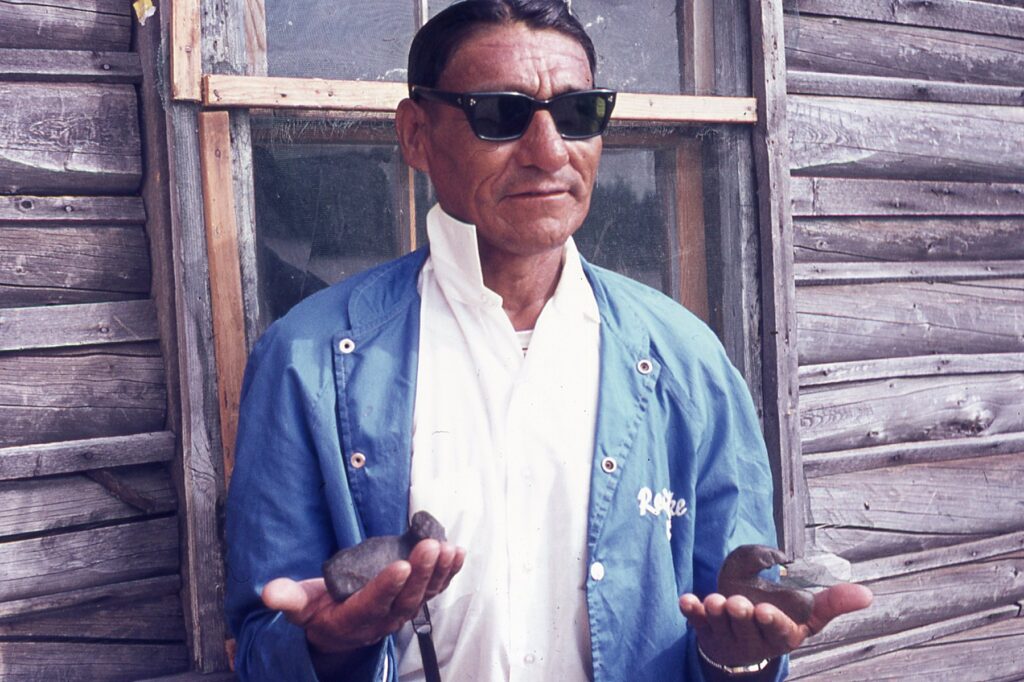
Kohko’o (Charlie Moose Owen; also named Saakachiwe) holding unique rocks at Pauingassi First Nation, 1974 | Photo: Henry Neufeld

Charlie Moose Owen lived at Pauingassi. He was married to Jessie Keeper (Weweshii’o) of Pauingassi. He was the fifth child of Shawtail Owen (Kihchi Ahkakochiish) and Jane Leveque (Kohkohkotiyi) of Little Grand Rapids. Kihchi Ahkakochiish was a younger half-brother to Naamiwan who led traditional ceremonies at Pauingassi.

Charlie Moose Owen also has relatives in Bloodvein River First Nation, resulting from his aunt (younger sister to mother Kohkohkotiyi) marrying a man in that community.

As a young man, Charlie Moose is reported to have participated in the freighting of goods up Berens River to the Little Grand Rapids Hudson’s Bay Company post. He is described as a man having exceptional physical strength on portages and wouldn’t be outdone by anyone. There are approximately 45 portages over that stretch of river. If Charlie’s tumpline (strap that crosses the head or chest to carry goods) and arms weren’t loaded with more weight than other couriers who were carrying freight, he’d tip the balance in his favour by carrying goods with his teeth!   

Kohko’o has two sons currently residing in Pauingassi First Nation and one daughter in Poplar Hill (First Nation.

Charlie Moose represented a family that in his age cohort, was a generation older than most of his peer group. Using Shenawakoshkank as a reference, Charlie Moose was a grandson.  Other descendants of Shenawakoshkank born in a similar timeframe were great-grandchildren.

Father’s side

Grandparents

Shenawakoshkank of Pauingassi
Aanahk (grandmother)

Mother’s side  

Grandparents (both of Little Grand Rapids)

Arthur Leveque (Kihchi Mohkomaan), Sturgeon Clan
Peggy Green (Pineshiwaash)

Charlie Moose’s uncle Dick Green (Nanahkowaanakwape – older brother to Peggy) was the first official Councillor of Little Grand Rapids First Nation, following the Adhesion to Treaty 5 signed at Little Grand Rapids on August 4, 1876.

3. Shooniman (Solomon Pascal), Kingfisher Clan
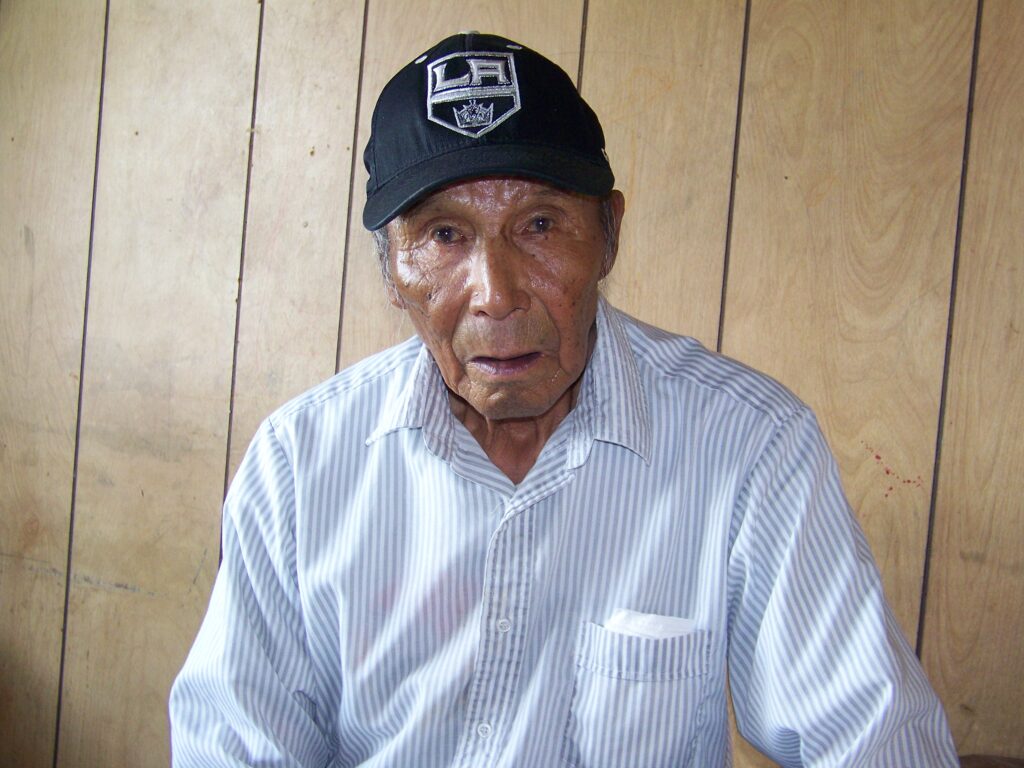
Shoniman (Solomon Pascal) of Pauingassi First Nation, 2015 | Photo: Gerald Neufeld

Solomon Pascal was the youngest child of George Pascal (Kihchi Omootayi) and Elizabeth (Anchikwanepiihk) of Stout Lake (Kihchi Opaawankaank), located east of Moar Lake (formerly Eagle Lake) on the Berens River. 

Solomon was married to Agnes Owen (Akin) of Pauingassi. She was the daughter of Charlie George Owen (Omishoosh) and his first wife Piiwiite, who was likely from Little Grand Rapids. 

Father’s Side

Grandparents

William Pascal (Wiskechaahk)
Elizabeth (Kaakaanaan; also named Maanaatis)

Great-grandparents

Parents of William Pascal:

Paashkaan of Little Grand Rapids
Wakoshens of Bloodvein

Sister of William Pascal: Ishkwaantemo, mother of Joseph Crow, Sr. (A’aasi)  

Parents of Elizabeth (Kaakaanaan):

John Owen (Naamiwan) of Pauingassi
Koowin of Berens River

Mother’s side

Grandparents

Peter Turtle (Wiishwaw), Sturgeon Clan of Pikangikum First Nation
Annie Owen (Ihkwet) of Stout Lake, located east of Moar Lake on the Berens River  

Great-grandparents

Parents of Annie Owen:
Sandy Owen (Pishiw), originally of Pauingassi
Kaakokishkish, originally of Little Grand Rapids

Sandy Owen (Pishiw) is the eldest son of Shenawakoshkank, head of the Moose Clan during the time of signing of the Adhesion to Treaty 5.  

Kaakokishkish is the sister of Dick Green, the first assigned Councillor at Little Grand Rapids following the signing of the Adhesion to Treaty 5 on August 4, 1876.

4. Paakak (William Baptiste), Sturgeon Clan
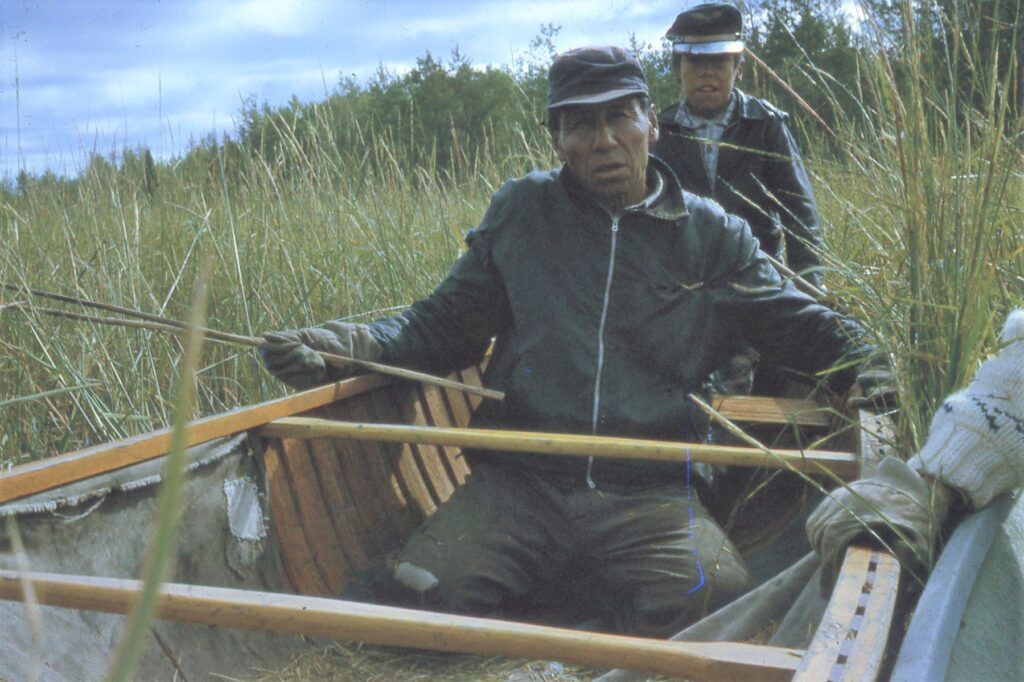
Paakak and son Harlan, September 1964 | Photo Henry Neufeld

Paakak (William Baptiste) lived at Little Grand Rapids First Nation. This photo was possibly taken at Kaamanominihkaank (the place where there’s wild rice) near Assinika Lake, north of Pauingassi First Nation.

Paakak was a middle child of John Baptiste (Pachiish) and Sarah White (Mahkache), both of Little Grand Rapids. He was married to Ens. Records show that Ens was likely the daughter of Roderick Keeper. Known names of their children are Harlan, Sarah (Pakaan) and We’we’. 

Father’s side

Grandparents

Adam Bigmouth Sr. (Ochiipwaamoshiish)
Fanny Bigmouth (Inchinii, or Injenii*)

*As described in Dr. Jennifer Brown’s writing in “Ojibwe Stories from the Upper Berens River: A. Irving Hallowell and Adam Bigmouth in Conversation.”

Mother’s side

Grandparents

James White Sr. (Ochiimaso)
Michishk (grandmother)

James White Sr. is the son of Shenawakoshkank and a brother of Pishiw, who resided at Stout Lake (Kihchi Opaawankaank) east of Moar Lake (earlier known as Eagle Lake). 

Michishk is the daughter of Okaawapwaan and Jane Ross of Berens River.

Other relations

Paakak’s family had relations in Little Grand Rapids, his community of residence, and other communities:

Poplar River

  • Paakak’s grandfather Adam Bigmouth Sr. (Ochiipwaamoshiish) had an older brother named Kaashaapowiiyaasit who settled at Poplar River   
  • Kaashaapowiiyaasit had three sons, two of whom carried the family name with their own children:
    • Neninkikwaneyaash (later known as Alex Whiskis) had three sons
    • Tetipaahkamikohk (later known as George Franklin) had ten sons and two daughters

Pauingassi

Paakak had multiple family connections to Shenawakoshkank of Pauingassi through:

  • His maternal grandfather Ochiimaso
  • His aunt Anii, who was Shenawakoshkank’s daughter, a full sister to Naamiwan, and was married to Nishkashakaye

Poplar Hill, Pikangikum and Berens River  

Paakak’s trapping cabins were located near the community of Berens River. It’s possible the cabins were located here because of his family connection to the Ross family of Berens River.

5. Can you help solve this puzzle?
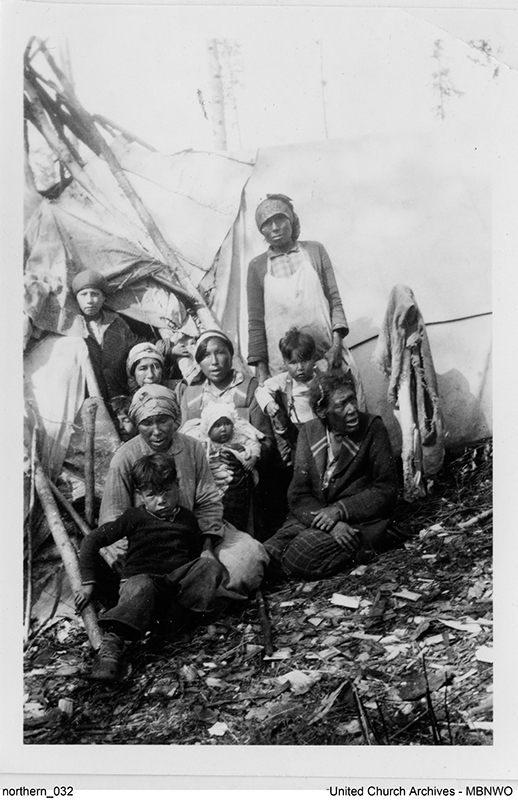
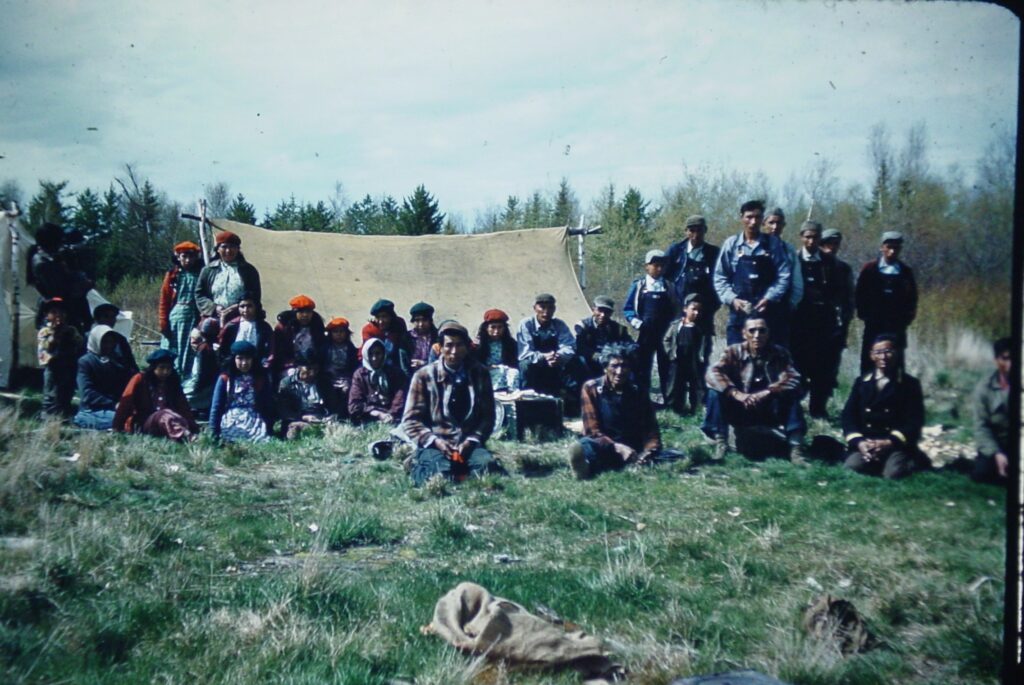
This photo, documented by Gerald Neufeld, is stored in the United Church Archives in Winnipeg.

“I believe this photo features some individuals originally from Pauingassi and Little Grand Rapids,” says Gerald Neufeld (Kaahkaapish).  

It may be a photo of Pishiw (oldest son of Shenawakoshkank and oldest brother of Naamiwan) along with wives Chankishkish and Kaakokishkish, and other family members, including children Ochooshihshimaa, Miinwaanik and Kakikepinesh, he says.

Do you know?

Is this Piihtos (born 1880-1881; died 1941); daughter of Tetepayapan and Kiitawan; wife of Kakiiweyaasii; grand daughter-in-law of Pishiw?

If you have information, please contact Gerald: gerald.neufeld4@gmail.com

Feature Photo: Henry Neufeld
How to Pronounce Common Anishinaabemowin Words

September 28, 2021

LnRiLXNvY2lhbC1zaGFyZV9fbmV0d29ya3tkaXNwbGF5OmlubGluZS1ibG9jazt0ZXh0LWFsaWduOmNlbnRlcjt2ZXJ0aWNhbC1hbGlnbjp0b3A7bWFyZ2luLXJpZ2h0OjdweDttYXJnaW4tYm90dG9tOjdweH0udGItc29jaWFsLXNoYXJlLS0wOTIgLnRiLXNvY2lhbC1zaGFyZV9fZmFjZWJvb2tfX3NoYXJlLWJ1dHRvbntjdXJzb3I6cG9pbnRlcjtkaXNwbGF5OmlubGluZS1ibG9jaztiYWNrZ3JvdW5kLXNpemU6Y29udGFpbjtiYWNrZ3JvdW5kLWNvbG9yOiMzYjU5OTg7fS50Yi1zb2NpYWwtc2hhcmUtLTA5MiAudGItc29jaWFsLXNoYXJlX19saW5rZWRpbl9fc2hhcmUtYnV0dG9ue2N1cnNvcjpwb2ludGVyO2Rpc3BsYXk6aW5saW5lLWJsb2NrO2JhY2tncm91bmQtc2l6ZTpjb250YWluO2JhY2tncm91bmQtY29sb3I6IzAwN2ZiMTt9LnRiLXNvY2lhbC1zaGFyZS0tMDkyIC50Yi1zb2NpYWwtc2hhcmVfX3R3aXR0ZXJfX3NoYXJlLWJ1dHRvbntjdXJzb3I6cG9pbnRlcjtkaXNwbGF5OmlubGluZS1ibG9jaztiYWNrZ3JvdW5kLXNpemU6Y29udGFpbjtiYWNrZ3JvdW5kLWNvbG9yOiMwMGFjZWQ7fS50Yi1zb2NpYWwtc2hhcmUtLTA5MiAudGItc29jaWFsLXNoYXJlX19waW50ZXJlc3RfX3NoYXJlLWJ1dHRvbntjdXJzb3I6cG9pbnRlcjtkaXNwbGF5OmlubGluZS1ibG9jaztiYWNrZ3JvdW5kLXNpemU6Y29udGFpbjtiYWNrZ3JvdW5kLWNvbG9yOiNjYjIxMjg7fS50Yi1zb2NpYWwtc2hhcmUtLTA5MiAudGItc29jaWFsLXNoYXJlX190ZWxlZ3JhbV9fc2hhcmUtYnV0dG9ue2N1cnNvcjpwb2ludGVyO2Rpc3BsYXk6aW5saW5lLWJsb2NrO2JhY2tncm91bmQtc2l6ZTpjb250YWluO2JhY2tncm91bmQtY29sb3I6IzM3YWVlMjt9LnRiLXNvY2lhbC1zaGFyZS0tMDkyIC50Yi1zb2NpYWwtc2hhcmVfX3JlZGRpdF9fc2hhcmUtYnV0dG9ue2N1cnNvcjpwb2ludGVyO2Rpc3BsYXk6aW5saW5lLWJsb2NrO2JhY2tncm91bmQtc2l6ZTpjb250YWluO2JhY2tncm91bmQtY29sb3I6IzVmOTljZjt9LnRiLXNvY2lhbC1zaGFyZS0tMDkyIC50Yi1zb2NpYWwtc2hhcmVfX3ZpYmVyX19zaGFyZS1idXR0b257Y3Vyc29yOnBvaW50ZXI7ZGlzcGxheTppbmxpbmUtYmxvY2s7YmFja2dyb3VuZC1zaXplOmNvbnRhaW47YmFja2dyb3VuZC1jb2xvcjojN2M1MjllO30udGItc29jaWFsLXNoYXJlLS0wOTIgLnRiLXNvY2lhbC1zaGFyZV9fZW1haWxfX3NoYXJlLWJ1dHRvbntjdXJzb3I6cG9pbnRlcjtkaXNwbGF5OmlubGluZS1ibG9jaztiYWNrZ3JvdW5kLXNpemU6Y29udGFpbjtiYWNrZ3JvdW5kLWNvbG9yOiM3ZjdmN2Y7fS50Yi1zb2NpYWwtc2hhcmUtLXJvdW5kIC5Tb2NpYWxNZWRpYVNoYXJlQnV0dG9ue2JvcmRlci1yYWRpdXM6NTAlfS50Yi1zb2NpYWwtc2hhcmVfX2V4Y2VycHR7ZGlzcGxheTpub25lfS50Yi1zb2NpYWwtc2hhcmUgLlNvY2lhbE1lZGlhU2hhcmVCdXR0b24tLWRpc2FibGVke29wYWNpdHk6MC42NX0gLnRiLXNvY2lhbC1zaGFyZVtkYXRhLXRvb2xzZXQtYmxvY2tzLXNvY2lhbC1zaGFyZT0iOWUwNjdjYjhhOTM2MTA5YTQ2OTk4NzhjYjU2MDFkZjMiXSAuU29jaWFsTWVkaWFTaGFyZUJ1dHRvbiB7IHdpZHRoOiAzMnB4O2hlaWdodDogMzJweDsgfSBAbWVkaWEgb25seSBzY3JlZW4gYW5kIChtYXgtd2lkdGg6IDc4MXB4KSB7IC50Yi1zb2NpYWwtc2hhcmVfX25ldHdvcmt7ZGlzcGxheTppbmxpbmUtYmxvY2s7dGV4dC1hbGlnbjpjZW50ZXI7dmVydGljYWwtYWxpZ246dG9wO21hcmdpbi1yaWdodDo3cHg7bWFyZ2luLWJvdHRvbTo3cHh9LnRiLXNvY2lhbC1zaGFyZS0tMDkyIC50Yi1zb2NpYWwtc2hhcmVfX2ZhY2Vib29rX19zaGFyZS1idXR0b257Y3Vyc29yOnBvaW50ZXI7ZGlzcGxheTppbmxpbmUtYmxvY2s7YmFja2dyb3VuZC1zaXplOmNvbnRhaW47YmFja2dyb3VuZC1jb2xvcjojM2I1OTk4O30udGItc29jaWFsLXNoYXJlLS0wOTIgLnRiLXNvY2lhbC1zaGFyZV9fbGlua2VkaW5fX3NoYXJlLWJ1dHRvbntjdXJzb3I6cG9pbnRlcjtkaXNwbGF5OmlubGluZS1ibG9jaztiYWNrZ3JvdW5kLXNpemU6Y29udGFpbjtiYWNrZ3JvdW5kLWNvbG9yOiMwMDdmYjE7fS50Yi1zb2NpYWwtc2hhcmUtLTA5MiAudGItc29jaWFsLXNoYXJlX190d2l0dGVyX19zaGFyZS1idXR0b257Y3Vyc29yOnBvaW50ZXI7ZGlzcGxheTppbmxpbmUtYmxvY2s7YmFja2dyb3VuZC1zaXplOmNvbnRhaW47YmFja2dyb3VuZC1jb2xvcjojMDBhY2VkO30udGItc29jaWFsLXNoYXJlLS0wOTIgLnRiLXNvY2lhbC1zaGFyZV9fcGludGVyZXN0X19zaGFyZS1idXR0b257Y3Vyc29yOnBvaW50ZXI7ZGlzcGxheTppbmxpbmUtYmxvY2s7YmFja2dyb3VuZC1zaXplOmNvbnRhaW47YmFja2dyb3VuZC1jb2xvcjojY2IyMTI4O30udGItc29jaWFsLXNoYXJlLS0wOTIgLnRiLXNvY2lhbC1zaGFyZV9fdGVsZWdyYW1fX3NoYXJlLWJ1dHRvbntjdXJzb3I6cG9pbnRlcjtkaXNwbGF5OmlubGluZS1ibG9jaztiYWNrZ3JvdW5kLXNpemU6Y29udGFpbjtiYWNrZ3JvdW5kLWNvbG9yOiMzN2FlZTI7fS50Yi1zb2NpYWwtc2hhcmUtLTA5MiAudGItc29jaWFsLXNoYXJlX19yZWRkaXRfX3NoYXJlLWJ1dHRvbntjdXJzb3I6cG9pbnRlcjtkaXNwbGF5OmlubGluZS1ibG9jaztiYWNrZ3JvdW5kLXNpemU6Y29udGFpbjtiYWNrZ3JvdW5kLWNvbG9yOiM1Zjk5Y2Y7fS50Yi1zb2NpYWwtc2hhcmUtLTA5MiAudGItc29jaWFsLXNoYXJlX192aWJlcl9fc2hhcmUtYnV0dG9ue2N1cnNvcjpwb2ludGVyO2Rpc3BsYXk6aW5saW5lLWJsb2NrO2JhY2tncm91bmQtc2l6ZTpjb250YWluO2JhY2tncm91bmQtY29sb3I6IzdjNTI5ZTt9LnRiLXNvY2lhbC1zaGFyZS0tMDkyIC50Yi1zb2NpYWwtc2hhcmVfX2VtYWlsX19zaGFyZS1idXR0b257Y3Vyc29yOnBvaW50ZXI7ZGlzcGxheTppbmxpbmUtYmxvY2s7YmFja2dyb3VuZC1zaXplOmNvbnRhaW47YmFja2dyb3VuZC1jb2xvcjojN2Y3ZjdmO30udGItc29jaWFsLXNoYXJlLS1yb3VuZCAuU29jaWFsTWVkaWFTaGFyZUJ1dHRvbntib3JkZXItcmFkaXVzOjUwJX0udGItc29jaWFsLXNoYXJlX19leGNlcnB0e2Rpc3BsYXk6bm9uZX0udGItc29jaWFsLXNoYXJlIC5Tb2NpYWxNZWRpYVNoYXJlQnV0dG9uLS1kaXNhYmxlZHtvcGFjaXR5OjAuNjV9IH0gQG1lZGlhIG9ubHkgc2NyZWVuIGFuZCAobWF4LXdpZHRoOiA1OTlweCkgeyAudGItc29jaWFsLXNoYXJlX19uZXR3b3Jre2Rpc3BsYXk6aW5saW5lLWJsb2NrO3RleHQtYWxpZ246Y2VudGVyO3ZlcnRpY2FsLWFsaWduOnRvcDttYXJnaW4tcmlnaHQ6N3B4O21hcmdpbi1ib3R0b206N3B4fS50Yi1zb2NpYWwtc2hhcmUtLTA5MiAudGItc29jaWFsLXNoYXJlX19mYWNlYm9va19fc2hhcmUtYnV0dG9ue2N1cnNvcjpwb2ludGVyO2Rpc3BsYXk6aW5saW5lLWJsb2NrO2JhY2tncm91bmQtc2l6ZTpjb250YWluO2JhY2tncm91bmQtY29sb3I6IzNiNTk5ODt9LnRiLXNvY2lhbC1zaGFyZS0tMDkyIC50Yi1zb2NpYWwtc2hhcmVfX2xpbmtlZGluX19zaGFyZS1idXR0b257Y3Vyc29yOnBvaW50ZXI7ZGlzcGxheTppbmxpbmUtYmxvY2s7YmFja2dyb3VuZC1zaXplOmNvbnRhaW47YmFja2dyb3VuZC1jb2xvcjojMDA3ZmIxO30udGItc29jaWFsLXNoYXJlLS0wOTIgLnRiLXNvY2lhbC1zaGFyZV9fdHdpdHRlcl9fc2hhcmUtYnV0dG9ue2N1cnNvcjpwb2ludGVyO2Rpc3BsYXk6aW5saW5lLWJsb2NrO2JhY2tncm91bmQtc2l6ZTpjb250YWluO2JhY2tncm91bmQtY29sb3I6IzAwYWNlZDt9LnRiLXNvY2lhbC1zaGFyZS0tMDkyIC50Yi1zb2NpYWwtc2hhcmVfX3BpbnRlcmVzdF9fc2hhcmUtYnV0dG9ue2N1cnNvcjpwb2ludGVyO2Rpc3BsYXk6aW5saW5lLWJsb2NrO2JhY2tncm91bmQtc2l6ZTpjb250YWluO2JhY2tncm91bmQtY29sb3I6I2NiMjEyODt9LnRiLXNvY2lhbC1zaGFyZS0tMDkyIC50Yi1zb2NpYWwtc2hhcmVfX3RlbGVncmFtX19zaGFyZS1idXR0b257Y3Vyc29yOnBvaW50ZXI7ZGlzcGxheTppbmxpbmUtYmxvY2s7YmFja2dyb3VuZC1zaXplOmNvbnRhaW47YmFja2dyb3VuZC1jb2xvcjojMzdhZWUyO30udGItc29jaWFsLXNoYXJlLS0wOTIgLnRiLXNvY2lhbC1zaGFyZV9fcmVkZGl0X19zaGFyZS1idXR0b257Y3Vyc29yOnBvaW50ZXI7ZGlzcGxheTppbmxpbmUtYmxvY2s7YmFja2dyb3VuZC1zaXplOmNvbnRhaW47YmFja2dyb3VuZC1jb2xvcjojNWY5OWNmO30udGItc29jaWFsLXNoYXJlLS0wOTIgLnRiLXNvY2lhbC1zaGFyZV9fdmliZXJfX3NoYXJlLWJ1dHRvbntjdXJzb3I6cG9pbnRlcjtkaXNwbGF5OmlubGluZS1ibG9jaztiYWNrZ3JvdW5kLXNpemU6Y29udGFpbjtiYWNrZ3JvdW5kLWNvbG9yOiM3YzUyOWU7fS50Yi1zb2NpYWwtc2hhcmUtLTA5MiAudGItc29jaWFsLXNoYXJlX19lbWFpbF9fc2hhcmUtYnV0dG9ue2N1cnNvcjpwb2ludGVyO2Rpc3BsYXk6aW5saW5lLWJsb2NrO2JhY2tncm91bmQtc2l6ZTpjb250YWluO2JhY2tncm91bmQtY29sb3I6IzdmN2Y3Zjt9LnRiLXNvY2lhbC1zaGFyZS0tcm91bmQgLlNvY2lhbE1lZGlhU2hhcmVCdXR0b257Ym9yZGVyLXJhZGl1czo1MCV9LnRiLXNvY2lhbC1zaGFyZV9fZXhjZXJwdHtkaXNwbGF5Om5vbmV9LnRiLXNvY2lhbC1zaGFyZSAuU29jaWFsTWVkaWFTaGFyZUJ1dHRvbi0tZGlzYWJsZWR7b3BhY2l0eTowLjY1fSB9IA==

Gizhe Manidoo lowered nitam anishinaabe (first human) to Earth and gave him the responsibility to name everything in existence. This is how Anishinaabemowin was born.

Over 80 percent of people in Pimachiowin Aki speak the ancient Ojibwe language Anishinaabemowin. Each community has its own dialect. Pimachiowin Aki Guardian Melba Green helped us create this series of language videos so that you can hear how we say common Aninishinaabemowin words in Bloodvein River First Nation.

Anishinaabemowin is often the first language children learn to speak. 

Anishinaabemowin is the primary language we speak at home and work. Children and youth learn this vibrant language in school every day.

Learn how to say the days of the week 

Turn sound on

Hear words related to family

Turn sound on

The survival of Anishinaabemowin is directly related to the survival of Anishinaabe identity and culture.

We are tied to our language the same way we are tied to the land. Anishinaabemowin expresses our heritage, values and culture. We use it in traditional ceremonies, and in stories and songs passed down through generations. It is our unique way of understanding the world. 

Hear words related to our cultural heritage

Turn sound on

Anishinaabemowin reflects how land and animals are understood. 

For millennia, our ancestors have spoken Anishinaabemowin to pass down traditional knowledge such as when to plant and harvest, how to spot seasonal changes, and where to track migration of geese and woodland caribou. Our language holds our knowledge of the environment. Therefore, preserving our language means preserving the land.

The world’s languages and animal species have both declined by about 30% since 1970. Some conservationists and climate scientists believe the key to protecting endangered plants and animals may lie in efforts to preserve Indigenous languages.

cbc.ca, The Current

Learn how to say the four seasons

Turn sound on

Hear words related to plants that grow in Pimachiowin Aki

Turn sound on

Learn words for wildlife that lives in Pimachiowin Aki

Turn sound on

The hereditary transmission of culture is mediated not by passing DNA from parent to offspring, but by one individual learning something from another, and this transmission is greatly facilitated and accelerated by means of language.

Biocultural Diversity, Threatened species, endangered languages
Pimachiowin Aki Guardian Melba Green, Bloodvein River First Nation

Miigwech to Pimachiowin Aki Guardian Melba Green for providing the voice-overs.

From friendly insults to words spoken in spring…  

Listen to the mother and son language podcast exploring lessons in Anishinaabemowin, featuring Sophia and Paul Rabliauskas of Poplar River First Nation:
https://www.cbc.ca/news/indigenous/paul-sophia-rabliauskas-anishinaabemowin-1.5919310

Follow us for more information about Pimachiowin Aki:

  • Facebook
  • Instagram
  • Twitter

 Sources
https://www.cbc.ca/originalvoices/language/anishinaabemowin/
https://www.cbc.ca/radio/thecurrent/back-to-the-land-preserving-indigenous-language-1.6152854
https://www.thecanadianencyclopedia.ca/en/article/anishinaabemowin-ojibwe-language
https://www.researchgate.net/publication/291352235_Biocultural_Diversity_threatened_species_endangered_languages

How Wildfires Have Affected Pimachiowin Aki

September 28, 2021

LnRiLXNvY2lhbC1zaGFyZV9fbmV0d29ya3tkaXNwbGF5OmlubGluZS1ibG9jazt0ZXh0LWFsaWduOmNlbnRlcjt2ZXJ0aWNhbC1hbGlnbjp0b3A7bWFyZ2luLXJpZ2h0OjdweDttYXJnaW4tYm90dG9tOjdweH0udGItc29jaWFsLXNoYXJlLS0wOTIgLnRiLXNvY2lhbC1zaGFyZV9fZmFjZWJvb2tfX3NoYXJlLWJ1dHRvbntjdXJzb3I6cG9pbnRlcjtkaXNwbGF5OmlubGluZS1ibG9jaztiYWNrZ3JvdW5kLXNpemU6Y29udGFpbjtiYWNrZ3JvdW5kLWNvbG9yOiMzYjU5OTg7fS50Yi1zb2NpYWwtc2hhcmUtLTA5MiAudGItc29jaWFsLXNoYXJlX19saW5rZWRpbl9fc2hhcmUtYnV0dG9ue2N1cnNvcjpwb2ludGVyO2Rpc3BsYXk6aW5saW5lLWJsb2NrO2JhY2tncm91bmQtc2l6ZTpjb250YWluO2JhY2tncm91bmQtY29sb3I6IzAwN2ZiMTt9LnRiLXNvY2lhbC1zaGFyZS0tMDkyIC50Yi1zb2NpYWwtc2hhcmVfX3R3aXR0ZXJfX3NoYXJlLWJ1dHRvbntjdXJzb3I6cG9pbnRlcjtkaXNwbGF5OmlubGluZS1ibG9jaztiYWNrZ3JvdW5kLXNpemU6Y29udGFpbjtiYWNrZ3JvdW5kLWNvbG9yOiMwMGFjZWQ7fS50Yi1zb2NpYWwtc2hhcmUtLTA5MiAudGItc29jaWFsLXNoYXJlX19waW50ZXJlc3RfX3NoYXJlLWJ1dHRvbntjdXJzb3I6cG9pbnRlcjtkaXNwbGF5OmlubGluZS1ibG9jaztiYWNrZ3JvdW5kLXNpemU6Y29udGFpbjtiYWNrZ3JvdW5kLWNvbG9yOiNjYjIxMjg7fS50Yi1zb2NpYWwtc2hhcmUtLTA5MiAudGItc29jaWFsLXNoYXJlX190ZWxlZ3JhbV9fc2hhcmUtYnV0dG9ue2N1cnNvcjpwb2ludGVyO2Rpc3BsYXk6aW5saW5lLWJsb2NrO2JhY2tncm91bmQtc2l6ZTpjb250YWluO2JhY2tncm91bmQtY29sb3I6IzM3YWVlMjt9LnRiLXNvY2lhbC1zaGFyZS0tMDkyIC50Yi1zb2NpYWwtc2hhcmVfX3JlZGRpdF9fc2hhcmUtYnV0dG9ue2N1cnNvcjpwb2ludGVyO2Rpc3BsYXk6aW5saW5lLWJsb2NrO2JhY2tncm91bmQtc2l6ZTpjb250YWluO2JhY2tncm91bmQtY29sb3I6IzVmOTljZjt9LnRiLXNvY2lhbC1zaGFyZS0tMDkyIC50Yi1zb2NpYWwtc2hhcmVfX3ZpYmVyX19zaGFyZS1idXR0b257Y3Vyc29yOnBvaW50ZXI7ZGlzcGxheTppbmxpbmUtYmxvY2s7YmFja2dyb3VuZC1zaXplOmNvbnRhaW47YmFja2dyb3VuZC1jb2xvcjojN2M1MjllO30udGItc29jaWFsLXNoYXJlLS0wOTIgLnRiLXNvY2lhbC1zaGFyZV9fZW1haWxfX3NoYXJlLWJ1dHRvbntjdXJzb3I6cG9pbnRlcjtkaXNwbGF5OmlubGluZS1ibG9jaztiYWNrZ3JvdW5kLXNpemU6Y29udGFpbjtiYWNrZ3JvdW5kLWNvbG9yOiM3ZjdmN2Y7fS50Yi1zb2NpYWwtc2hhcmUtLXJvdW5kIC5Tb2NpYWxNZWRpYVNoYXJlQnV0dG9ue2JvcmRlci1yYWRpdXM6NTAlfS50Yi1zb2NpYWwtc2hhcmVfX2V4Y2VycHR7ZGlzcGxheTpub25lfS50Yi1zb2NpYWwtc2hhcmUgLlNvY2lhbE1lZGlhU2hhcmVCdXR0b24tLWRpc2FibGVke29wYWNpdHk6MC42NX0gLnRiLXNvY2lhbC1zaGFyZVtkYXRhLXRvb2xzZXQtYmxvY2tzLXNvY2lhbC1zaGFyZT0iODQ1N2Y0Y2IxMmIzNTkzMmI0NGIyYTAzMTRiNzQyMTQiXSAuU29jaWFsTWVkaWFTaGFyZUJ1dHRvbiB7IHdpZHRoOiAzMnB4O2hlaWdodDogMzJweDsgfSBAbWVkaWEgb25seSBzY3JlZW4gYW5kIChtYXgtd2lkdGg6IDc4MXB4KSB7IC50Yi1zb2NpYWwtc2hhcmVfX25ldHdvcmt7ZGlzcGxheTppbmxpbmUtYmxvY2s7dGV4dC1hbGlnbjpjZW50ZXI7dmVydGljYWwtYWxpZ246dG9wO21hcmdpbi1yaWdodDo3cHg7bWFyZ2luLWJvdHRvbTo3cHh9LnRiLXNvY2lhbC1zaGFyZS0tMDkyIC50Yi1zb2NpYWwtc2hhcmVfX2ZhY2Vib29rX19zaGFyZS1idXR0b257Y3Vyc29yOnBvaW50ZXI7ZGlzcGxheTppbmxpbmUtYmxvY2s7YmFja2dyb3VuZC1zaXplOmNvbnRhaW47YmFja2dyb3VuZC1jb2xvcjojM2I1OTk4O30udGItc29jaWFsLXNoYXJlLS0wOTIgLnRiLXNvY2lhbC1zaGFyZV9fbGlua2VkaW5fX3NoYXJlLWJ1dHRvbntjdXJzb3I6cG9pbnRlcjtkaXNwbGF5OmlubGluZS1ibG9jaztiYWNrZ3JvdW5kLXNpemU6Y29udGFpbjtiYWNrZ3JvdW5kLWNvbG9yOiMwMDdmYjE7fS50Yi1zb2NpYWwtc2hhcmUtLTA5MiAudGItc29jaWFsLXNoYXJlX190d2l0dGVyX19zaGFyZS1idXR0b257Y3Vyc29yOnBvaW50ZXI7ZGlzcGxheTppbmxpbmUtYmxvY2s7YmFja2dyb3VuZC1zaXplOmNvbnRhaW47YmFja2dyb3VuZC1jb2xvcjojMDBhY2VkO30udGItc29jaWFsLXNoYXJlLS0wOTIgLnRiLXNvY2lhbC1zaGFyZV9fcGludGVyZXN0X19zaGFyZS1idXR0b257Y3Vyc29yOnBvaW50ZXI7ZGlzcGxheTppbmxpbmUtYmxvY2s7YmFja2dyb3VuZC1zaXplOmNvbnRhaW47YmFja2dyb3VuZC1jb2xvcjojY2IyMTI4O30udGItc29jaWFsLXNoYXJlLS0wOTIgLnRiLXNvY2lhbC1zaGFyZV9fdGVsZWdyYW1fX3NoYXJlLWJ1dHRvbntjdXJzb3I6cG9pbnRlcjtkaXNwbGF5OmlubGluZS1ibG9jaztiYWNrZ3JvdW5kLXNpemU6Y29udGFpbjtiYWNrZ3JvdW5kLWNvbG9yOiMzN2FlZTI7fS50Yi1zb2NpYWwtc2hhcmUtLTA5MiAudGItc29jaWFsLXNoYXJlX19yZWRkaXRfX3NoYXJlLWJ1dHRvbntjdXJzb3I6cG9pbnRlcjtkaXNwbGF5OmlubGluZS1ibG9jaztiYWNrZ3JvdW5kLXNpemU6Y29udGFpbjtiYWNrZ3JvdW5kLWNvbG9yOiM1Zjk5Y2Y7fS50Yi1zb2NpYWwtc2hhcmUtLTA5MiAudGItc29jaWFsLXNoYXJlX192aWJlcl9fc2hhcmUtYnV0dG9ue2N1cnNvcjpwb2ludGVyO2Rpc3BsYXk6aW5saW5lLWJsb2NrO2JhY2tncm91bmQtc2l6ZTpjb250YWluO2JhY2tncm91bmQtY29sb3I6IzdjNTI5ZTt9LnRiLXNvY2lhbC1zaGFyZS0tMDkyIC50Yi1zb2NpYWwtc2hhcmVfX2VtYWlsX19zaGFyZS1idXR0b257Y3Vyc29yOnBvaW50ZXI7ZGlzcGxheTppbmxpbmUtYmxvY2s7YmFja2dyb3VuZC1zaXplOmNvbnRhaW47YmFja2dyb3VuZC1jb2xvcjojN2Y3ZjdmO30udGItc29jaWFsLXNoYXJlLS1yb3VuZCAuU29jaWFsTWVkaWFTaGFyZUJ1dHRvbntib3JkZXItcmFkaXVzOjUwJX0udGItc29jaWFsLXNoYXJlX19leGNlcnB0e2Rpc3BsYXk6bm9uZX0udGItc29jaWFsLXNoYXJlIC5Tb2NpYWxNZWRpYVNoYXJlQnV0dG9uLS1kaXNhYmxlZHtvcGFjaXR5OjAuNjV9IH0gQG1lZGlhIG9ubHkgc2NyZWVuIGFuZCAobWF4LXdpZHRoOiA1OTlweCkgeyAudGItc29jaWFsLXNoYXJlX19uZXR3b3Jre2Rpc3BsYXk6aW5saW5lLWJsb2NrO3RleHQtYWxpZ246Y2VudGVyO3ZlcnRpY2FsLWFsaWduOnRvcDttYXJnaW4tcmlnaHQ6N3B4O21hcmdpbi1ib3R0b206N3B4fS50Yi1zb2NpYWwtc2hhcmUtLTA5MiAudGItc29jaWFsLXNoYXJlX19mYWNlYm9va19fc2hhcmUtYnV0dG9ue2N1cnNvcjpwb2ludGVyO2Rpc3BsYXk6aW5saW5lLWJsb2NrO2JhY2tncm91bmQtc2l6ZTpjb250YWluO2JhY2tncm91bmQtY29sb3I6IzNiNTk5ODt9LnRiLXNvY2lhbC1zaGFyZS0tMDkyIC50Yi1zb2NpYWwtc2hhcmVfX2xpbmtlZGluX19zaGFyZS1idXR0b257Y3Vyc29yOnBvaW50ZXI7ZGlzcGxheTppbmxpbmUtYmxvY2s7YmFja2dyb3VuZC1zaXplOmNvbnRhaW47YmFja2dyb3VuZC1jb2xvcjojMDA3ZmIxO30udGItc29jaWFsLXNoYXJlLS0wOTIgLnRiLXNvY2lhbC1zaGFyZV9fdHdpdHRlcl9fc2hhcmUtYnV0dG9ue2N1cnNvcjpwb2ludGVyO2Rpc3BsYXk6aW5saW5lLWJsb2NrO2JhY2tncm91bmQtc2l6ZTpjb250YWluO2JhY2tncm91bmQtY29sb3I6IzAwYWNlZDt9LnRiLXNvY2lhbC1zaGFyZS0tMDkyIC50Yi1zb2NpYWwtc2hhcmVfX3BpbnRlcmVzdF9fc2hhcmUtYnV0dG9ue2N1cnNvcjpwb2ludGVyO2Rpc3BsYXk6aW5saW5lLWJsb2NrO2JhY2tncm91bmQtc2l6ZTpjb250YWluO2JhY2tncm91bmQtY29sb3I6I2NiMjEyODt9LnRiLXNvY2lhbC1zaGFyZS0tMDkyIC50Yi1zb2NpYWwtc2hhcmVfX3RlbGVncmFtX19zaGFyZS1idXR0b257Y3Vyc29yOnBvaW50ZXI7ZGlzcGxheTppbmxpbmUtYmxvY2s7YmFja2dyb3VuZC1zaXplOmNvbnRhaW47YmFja2dyb3VuZC1jb2xvcjojMzdhZWUyO30udGItc29jaWFsLXNoYXJlLS0wOTIgLnRiLXNvY2lhbC1zaGFyZV9fcmVkZGl0X19zaGFyZS1idXR0b257Y3Vyc29yOnBvaW50ZXI7ZGlzcGxheTppbmxpbmUtYmxvY2s7YmFja2dyb3VuZC1zaXplOmNvbnRhaW47YmFja2dyb3VuZC1jb2xvcjojNWY5OWNmO30udGItc29jaWFsLXNoYXJlLS0wOTIgLnRiLXNvY2lhbC1zaGFyZV9fdmliZXJfX3NoYXJlLWJ1dHRvbntjdXJzb3I6cG9pbnRlcjtkaXNwbGF5OmlubGluZS1ibG9jaztiYWNrZ3JvdW5kLXNpemU6Y29udGFpbjtiYWNrZ3JvdW5kLWNvbG9yOiM3YzUyOWU7fS50Yi1zb2NpYWwtc2hhcmUtLTA5MiAudGItc29jaWFsLXNoYXJlX19lbWFpbF9fc2hhcmUtYnV0dG9ue2N1cnNvcjpwb2ludGVyO2Rpc3BsYXk6aW5saW5lLWJsb2NrO2JhY2tncm91bmQtc2l6ZTpjb250YWluO2JhY2tncm91bmQtY29sb3I6IzdmN2Y3Zjt9LnRiLXNvY2lhbC1zaGFyZS0tcm91bmQgLlNvY2lhbE1lZGlhU2hhcmVCdXR0b257Ym9yZGVyLXJhZGl1czo1MCV9LnRiLXNvY2lhbC1zaGFyZV9fZXhjZXJwdHtkaXNwbGF5Om5vbmV9LnRiLXNvY2lhbC1zaGFyZSAuU29jaWFsTWVkaWFTaGFyZUJ1dHRvbi0tZGlzYWJsZWR7b3BhY2l0eTowLjY1fSB9IA==

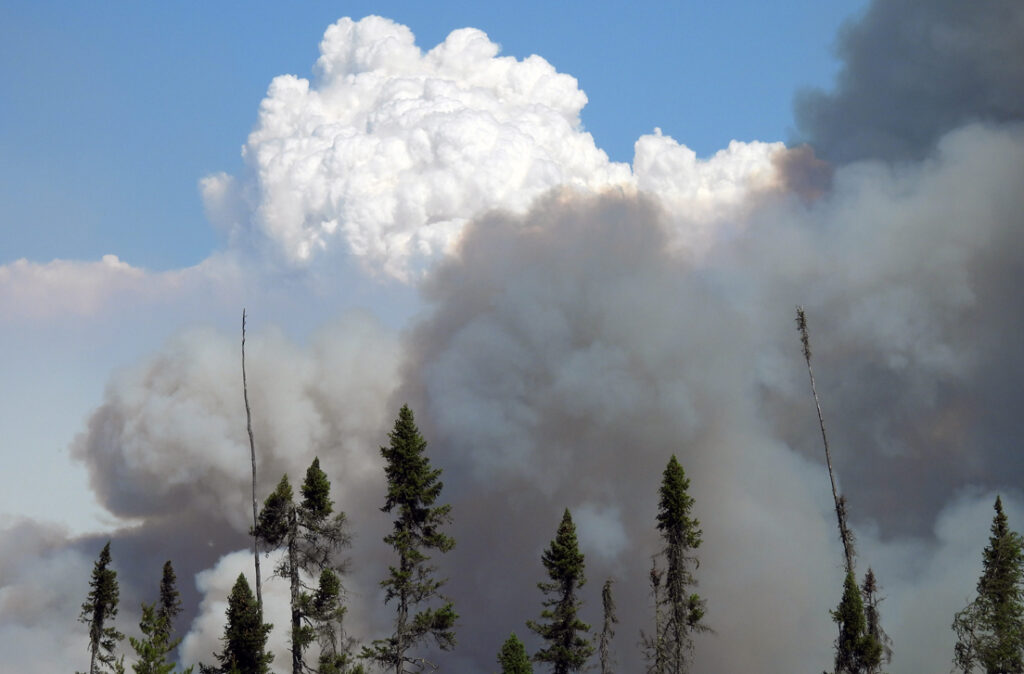
This past summer as hundreds of wildfires roared across Manitoba and Ontario, more than 1,000 people from Pimachiowin Aki and nearby First Nations evacuated to Winnipeg. Few people stayed behind. We talked with two of them—Pimachiowin Aki Guardians Dennis Keeper and Melba Green—about their experiences and the impacts of fire on the Land that Gives Life.

We were completely surrounded by fire. You couldn’t even see 10 feet because of the smoke.

Pimachiowin Guardian Dennis Keeper, Little Grand First Nation

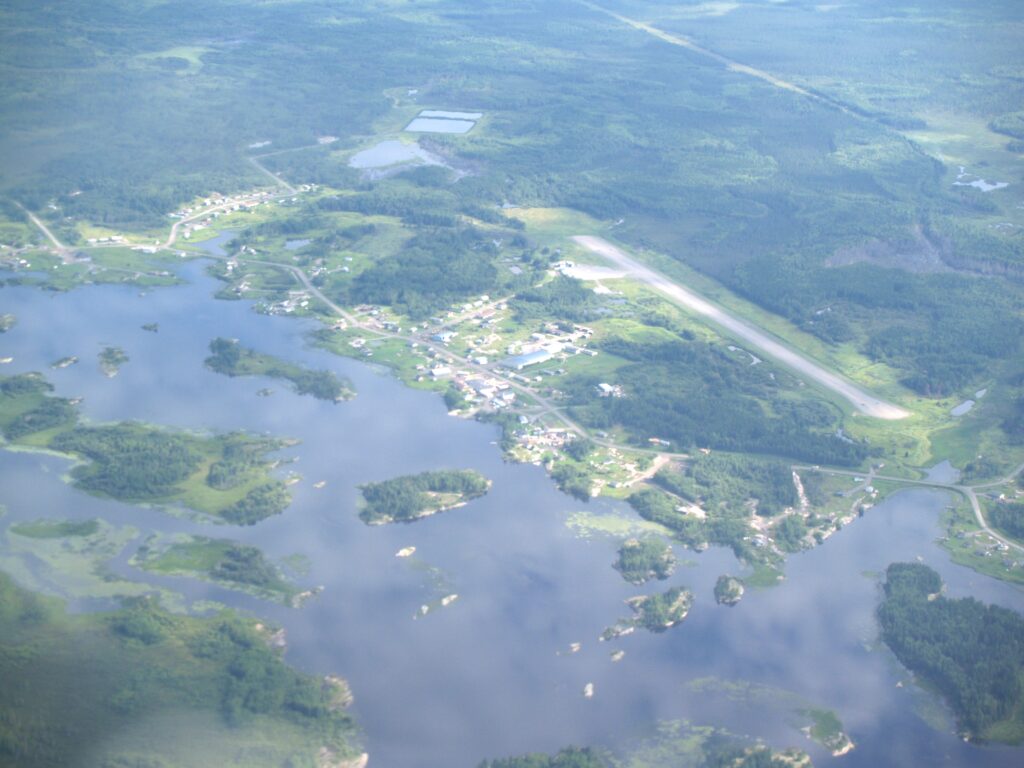
Five First Nations in the Pimachiowin Aki area—Pauingassi First Nation, Little Grand Rapids First Nation, Bloodvein River First Nation, Berens River First Nation and Red Sucker Lake First Nation—were affected by heavy smoke from forest fires burning near their communities.

By July, close to 130 wildfires were burning in Manitoba. Most had been started by natural causes like lightning. Travel and fire bans were issued. Severe drought made fires difficult to fight.

An hour to pack and leave

“We had dry lightning (lightning without rain) a couple of days before evacuations,” said Little Grand Rapids First Nation Guardian Dennis Keeper. “We were completely surrounded by fire. You couldn’t even see 10 feet because of the smoke.” Dennis’ wife had an hour to pack a bag and leave, but Dennis stayed behind along with a handful of others, including two Elders. 

Little Grand Rapids has been without power for months, reported Dennis. Thousands of dollars of food spoiled in evacuated homes and stores. Like everyone who stayed put in his community, Dennis has been eating fish and whatever he has in his pantry. The First Nation sends in food hampers about every three weeks.

Food spoiled, hydro poles burned

Each household was given a generator when the fire took out hydro poles, said Dennis. He maintains the generators for Elders and the local water treatment plant. “I fuel up the generators twice a day and do maintenance for them about every 50 hours,” he said.

Bloodvein River First Nation Guardian Melba Green said that her community fared somewhat better. Residents returned home in late August while evacuees from Little Grand Rapids First Nation remain in Winnipeg.

Quiet and dark

Along with Melba, about 60 people stayed in Bloodvein River First Nation. Each household was given a generator. Without vehicles or heavy equipment working, Melba said it was “quiet and dark.”

To deal with smoke in Bloodvein River First Nation, residents covered their windows with tarps or plastic. “We closed off vents in our homes so that smoke wouldn’t enter, and hung blankets in front of doors,” Melba explained.

In Bloodvein River First Nation, fire burned eastward toward traplines 4 and 5, she said. “They had it under control in early August but there was still smoke for weeks.” 

Bloodvein River experienced a fire in the 1980s that was closer to the community but this [2021] was worse,” Melba said. “Because of the dry ground and trees, it was out of control.” 

But nature is bouncing back in Melba’s community. In August, rains finally came. Leaves started to green and plants began to bloom again, she said.

“The fire grew into a monster in just a few days.”

Pimachiowin Guardian Dennis Keeper, Little Grand First Nation

Ashes falling everywhere

“The fire grew into a monster in just a few days,” reported Dennis. He said that as fires peaked, rivers near Little Grand Rapids First Nation were completely grey from ash. The community’s 120 water tanks are also ash-filled, and need to be drained and cleaned.

 “Most of my trapline burned,” said Dennis. “Boats and motors were lost. My cabin was saved—the firefighters put a sprinkler around it. They tried to save other cabins, but the fire was too huge. 

“Even the muskeg burned,” he noted. “It doesn’t usually burn but this time it burned.”

Little Grand Rapids First Nation is still without power, said Dennis. October 31 is the possible restoration date.  

Difficulties of hotel life

Melba said she was “glad when everybody returned to Bloodvein.” While in Winnipeg, her fellow community members worried about their homes. They also grew tired of being cooped up in hotel rooms. “They became homesick. The little ones wanted to come home.” 

Evacuated community members from Little Grand Rapids First Nation remain in hotels in Winnipeg. Dennis said that while they’re happy to be safe, they are anxious to return home. “Quite a few people have passed away,” he said. People find it hard to be away from life on the land. They miss traditional food.

The return date for evacuees is unknown.

“I counted 18 bears roaming around.” 

Pimachiowin Guardian Dennis Keeper, Little Grand First Nation

Effects on wildlife

This year, a dry summer made food like wild berries scarce. Across Pimachiowin Aki, in the boreal forest, wildlife had difficulty finding food. After wildfires burned much of the limited vegetation available, wildlife began entering communities.

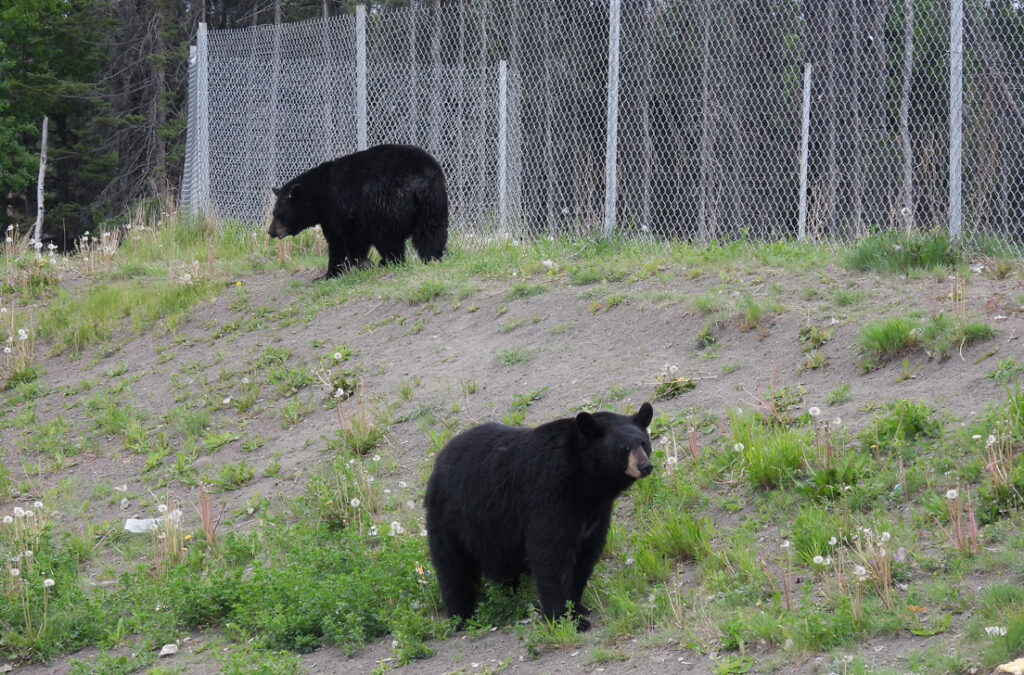
Bears in Bloodvein River First Nation (Photo: Melba Green)

Dennis experienced one bear trying to break into his home while he ate fish one day. “I counted 18 bears one day roaming around the community,” he said. Black bears are breaking into empty homes looking for food. The Northern Store was ransacked by hungry animals as well. The conditions are unusual. “We have a big pack of wolves here right now, possibly preying on bears,” Dennis said. 

But amid the struggles are signs of normal life. During the time that Bloodvein River First Nation was evacuated, Melba saw a family of otters playing on rocks by the river. She also witnessed a young moose swimming across the Bloodvein River. 

100 years of resources following a wildfire

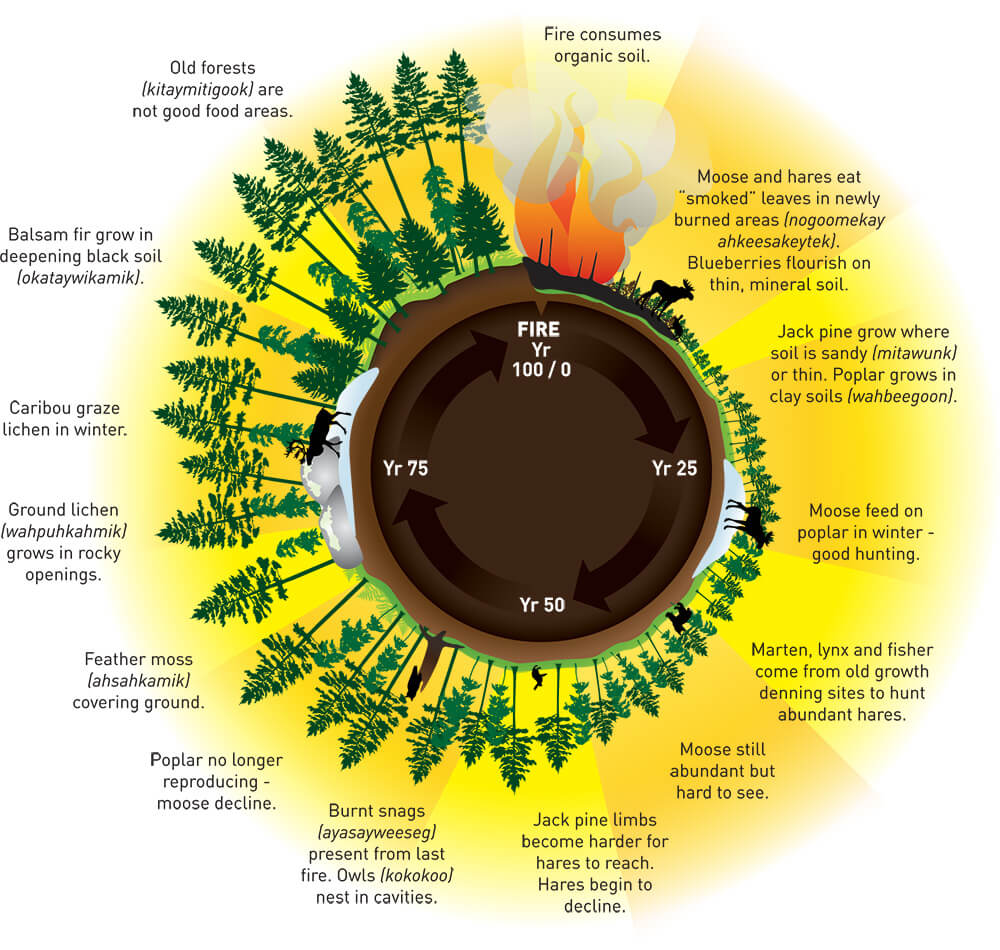
In Pimachiowin Aki, survival depends on knowing where to find resources for harvesting throughout the year. Traditional knowledge about wildfire has been passed down through generations—wildfire has a significant effect on which type of plants grow in the area and which wildlife species thrive or relocate in search of food and cover. The infographic below demonstrates traditional knowledge of how wildfire changes vegetation, which in turn affects the movement of wildlife, including moose, marten and hare. 

infographic denting 100 years of resources following a wildfire
Fire can destroy life, but it can also be a source of life and renewal for the land.   

Did you know?

Fire changes how we hunt
Trapping and hunting sites have shifted over time in Pimachiowin Aki in response to the movement of animals and changes in habitat following a wildfire. When desired animals become scarce in one area, people join friends and relatives in other areas where those animals are abundant. This gives animals and their habitats time to recover. When populations are healthy again, people can return to harvest.

Some trees are fire resistant
Trees in fire-prone areas develop thicker bark, in part, because thick bark does not catch fire or burn easily. It also protects the inside of the trunk, the living tissues that transport water and nutrients, from heat damage.

“Fire doesn’t go into old fire areas for 10 to 15 years,” Dennis explained. “Certain trees like willows and some poplars are fireproof and don’t burn.” 

Some trees need fire 
Jack pine grow where soil is sandy and has serotinous cones (protected by a waxy coating) that require the heat of fire to release their seeds. Fire also produces favourable conditions for the seeds of these pines to germinate.

“For jack pine to germinate they need fire to open the seed, said Dennis. “That’s how forests regenerate.”

Blueberries flourish after a fire
Blueberries flourish on thin, mineral soil. Blueberry patches can be found three to ten years after a fire. Some Elders say they have traveled half a day by foot from camp sites to harvest berries at prime collecting areas that had burned several years earlier.

By the numbers 

Wildfires 2021
At the end of August, the province of Manitoba reported that there were 105 active fires still burning across the province, with 441 fires to date. They also reported that four large fires in western Manitoba, north of Flin Flon and Snow Lake, continued to burn. 

During this unprecedented fire season, Manitoba firefighters received out of province assistance from across Canada as well as internationally, including aircraft, equipment and personnel from the Northwest Territories, Nova Scotia, New Brunswick, Quebec, Ontario, Alberta, British Columbia, Parks Canada, the Canadian Armed Forces, the State of Michigan, and as far away of South Africa.

As of August 18, 3.9 million hectares of land in Canada were affected by wildfires this summer, according to data from the Canadian Interagency Forest Fire Centre.

Feature photo: Melba Green

Follow us for more information on Pimachiowin Aki:

  • Facebook
  • Instagram
  • Twitter

Sources
https://www.gov.mb.ca/wildfire/index.html
https://www.gov.mb.ca/cgi-bin/fire/show_current.pl?location=Fire-Update
https://www.ctvnews.ca/climate-and-environment/wildfires-disproportionately-threatening-first-nations-and-worst-could-be-yet-to-come-study-finds-1.5544760

Land Management Plans: Protecting Pimachiowin Aki

June 13, 2021

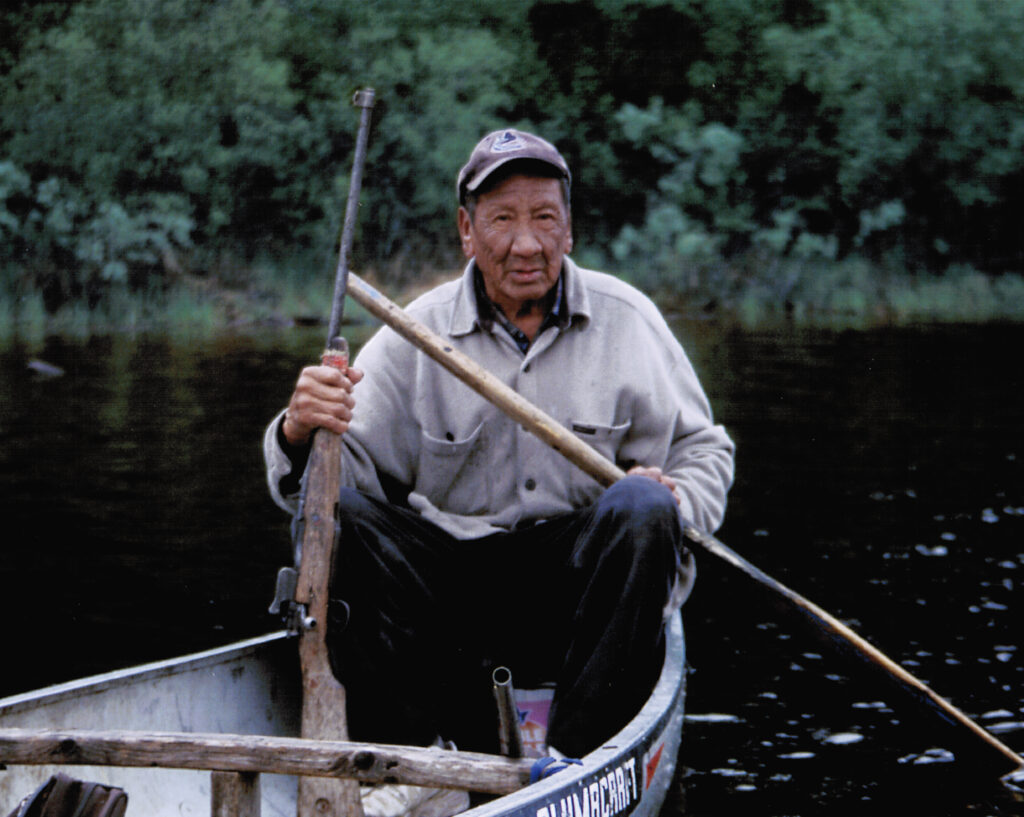
Frank Duck sits in canoe with a paddle and gun in hand.

Twenty years ago, First Nation communities of Pimachiowin Aki formed a partnership to support each other in protecting ancestral lands. The vision and commitment are set out in the Protected Areas and First Nation Resource Stewardship: A Cooperative Relationship Accord (the Accord). The Accord recognizes formal protected area planning processes led by Anishinaabeg, which became the foundation of the Pimachiowin Aki World Heritage Site. Elders provided the vision for the plans, based on traditional harvesting areas of Anishinaabe families associated with customary stewardship and governance.

Today there are six community-led plans in Pimachiowin Aki that govern land use and decision-making and guide the work of the Guardians. These are the first plans of their kind to be completed in Manitoba, and the third in Ontario.

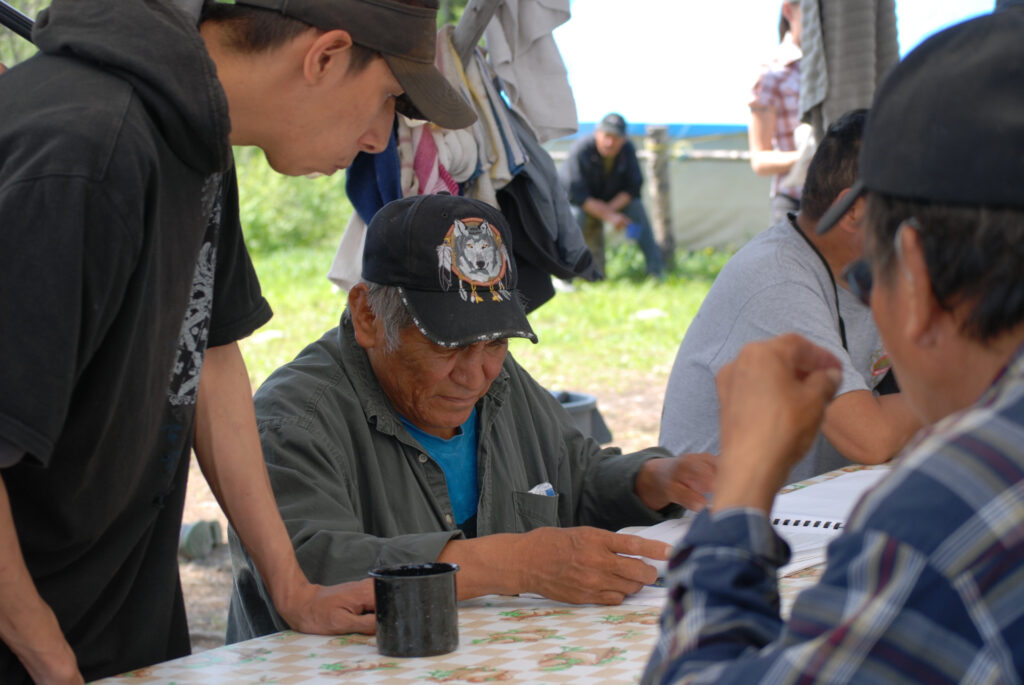
Community Review: Poplar River First Nation Land Management Plan

Asatiwisipe Aki Management Plan – Poplar River First Nation

Developed out of respect for “our ancestors who loved and cherished this land and cared for it for centuries to ensure all future generations would have life” and to “keep the land in its natural beauty as it was created”, the plan provides for the protection of the entire 8,620 square-kilometre Poplar River First Nation traditional territory.

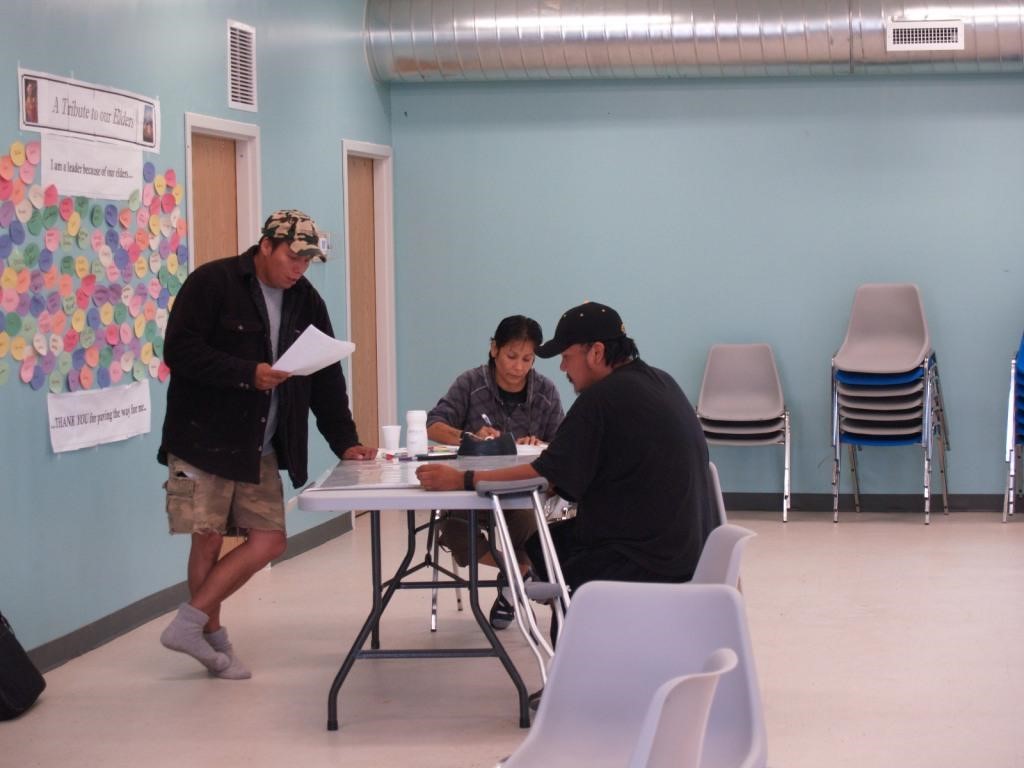
Planning Meeting: Bloodvein River First Nation

Pimitotah – To Care for Our Land (Bloodvein First Nation)

This plan is dedicated to the Bloodvein River Elders “for sharing their knowledge of the land and resources within our traditional area, and for their help and guidance”. Protection and management of the 3,916 square kilometre traditional territory is guided by a commitment “to look after and take care of the habitat and living things that use this land. To have water that is safe for all living things. To have land that has not been disturbed by industrial development. To smell the fresh air that is free from pollutants.  Protection means we will ensure that if economic development takes place, it will be respectful of the land and all life that exists on the land.”

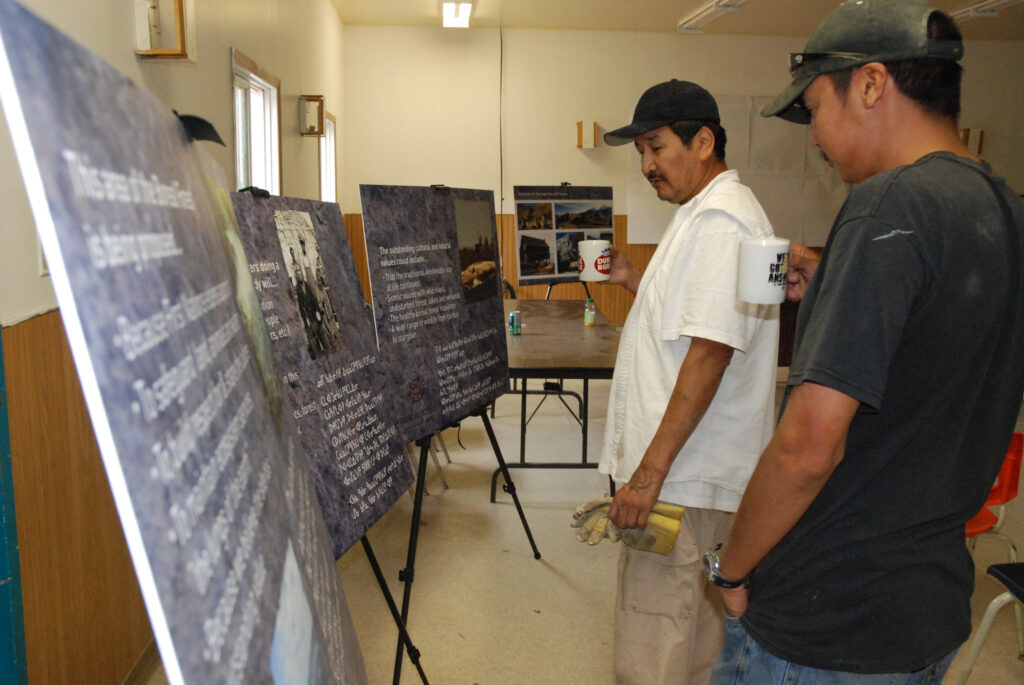
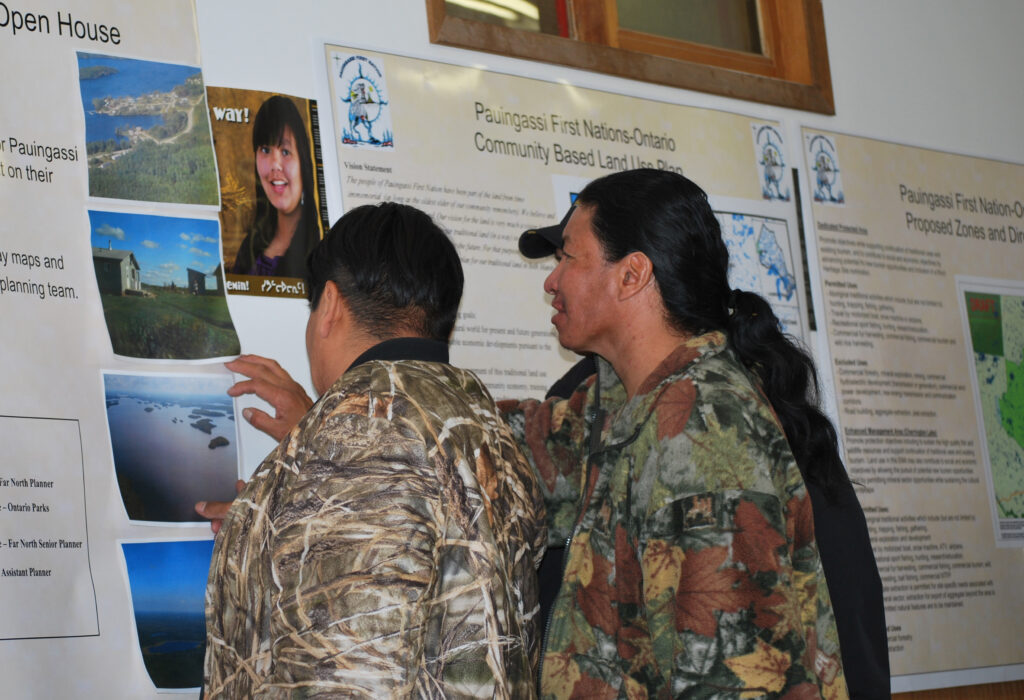
Open House: Little Grand Rapids First Nation

Ni-Kes Lands Management Plan – Little Grand Rapids First Nation (Manitoba)

Little Grand Rapids First Nation Community-Based Land Use Plan (Ontario)

With ancestral lands in both provinces of Manitoba and Ontario, the Little Grand Rapids First Nation completed two land management plans. The plans are “dedicated to the memory of Ni-Kes (Frank Duck), an esteemed Elder, whose knowledge and way of life continue to be an inspiration to the Little Grand Rapids Anishinaabeg”. The plans provide for the protection and management of lands and waters, continued traditional use, and support community-led sustainable economic development opportunities in the 6,612 square-kilometre Little Grand Rapids First Nation traditional territory.

Open House: Pauingassi First Nation

Naamiwan: The Land of Fair Wind Lands Management Plan – Pauingassi First Nation (Manitoba)

Pauingassi First Nation Community Based Land-Use Plan (Ontario)

Pauingassi First Nation has ancestral lands in both provinces of Manitoba and Ontario, and two land management plans. The plans are “dedicated to the memory of Naamiwan (Fair Wind), a renowned medicine man and healer, whose dream, drum and the ceremonies he conducted illustrate the important role of traditional Anishinaabe knowledge, practices and beliefs in land management and protection to this day.”

The plans provide legal protection of lands and waters while supporting potential sustainable economic development opportunities. In finding this balance, the Pauingassi land management plans are contributing to a stronger future for the community. The combined Pauingassi First Nation traditional territory is 4,525 square kilometres in area.

The Pimachiowin Aki Management Plan

The Pimachiowin Aki Corporation participates in implementation of the community-led plans to ensure the area’s Outstanding Universal Value continues to be protected. A Pimachiowin Aki Management Plan was developed by the partners as a unifying document, integrating customary governance and legal prescriptions across the site. This site-level management plan draws its primary direction from the First Nations’ Accord to protect and care for Pimachiowin Aki as a sacred duty and trust to future generations.

Bloodvein River First Nation

Feature photo: Ni-Kes (Frank Duck), Little Grand Rapids First Nation

How Bird Populations are Changing in Pimachiowin Aki

March 15, 2021

Dr. Nicola Koper, Natural Resources Institute

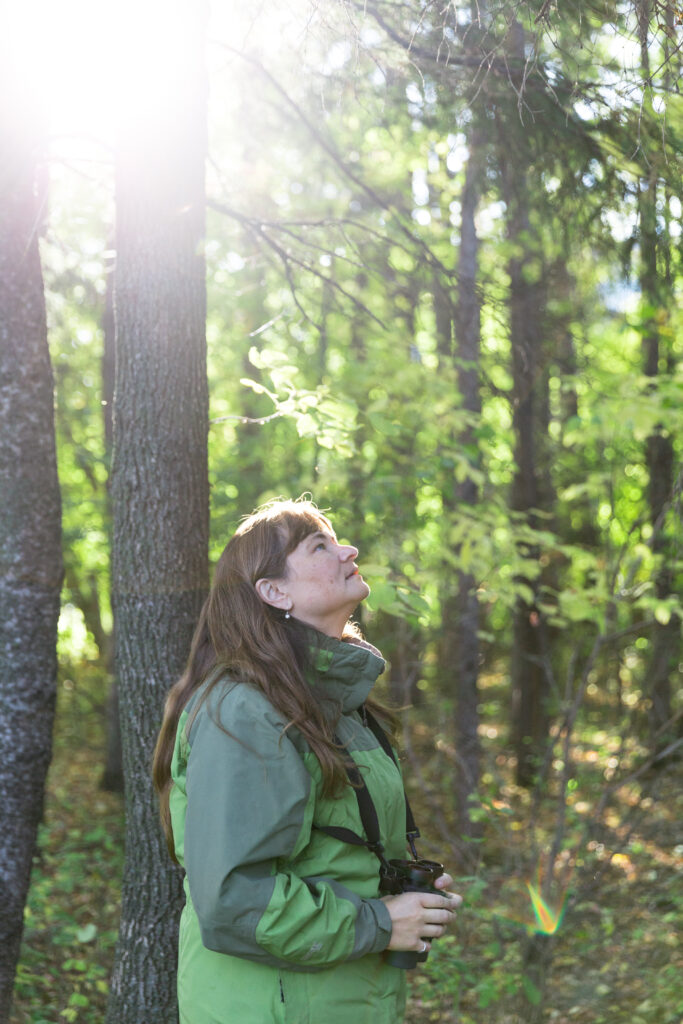
Selections from telephone interviews and conversations between Pimachiowin Aki Guardians Melba Green (Bloodvein River First Nation) and Dennis Keeper (Little Grand Rapids First Nation), and Dr. Nicola Koper, Professor, and PhD Student Chris De Ruyck of the Natural Resources Institute (NRI).  

What birds are you seeing in Bloodvein River and Little Grand Rapids?

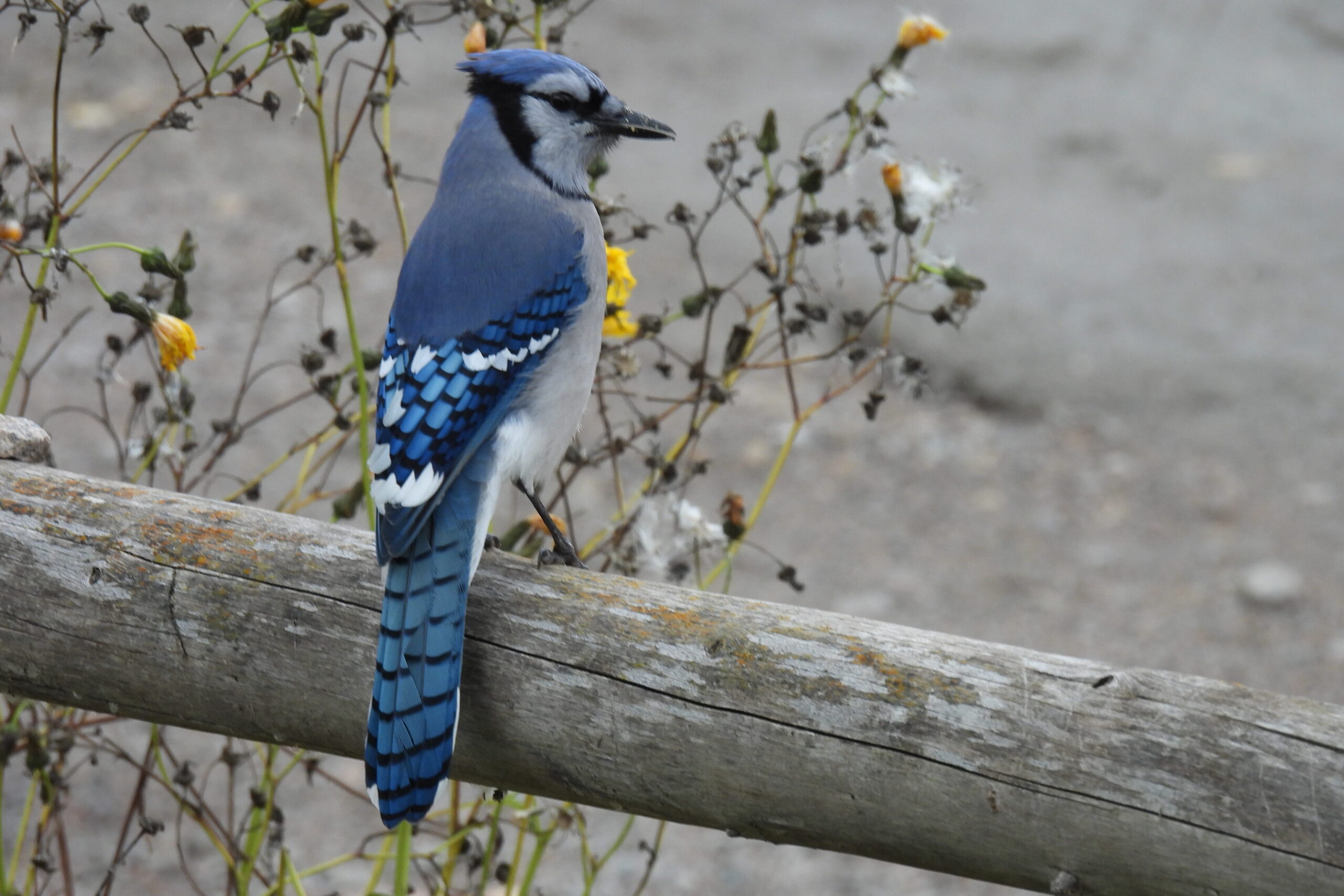
Melba: We see a lot of blue jays here in Bloodvein. A lot of people are feeding birds and blue jays come around.

Blue Jay (Photo: Melba Green)

Dennis: We rarely see blue jays. Or ptarmigan. But in the last couple of years, the ptarmigan are coming in huge flocks—200 or more! It used to be 10-20 in a group. We have had them covering this whole area. People are asking if you could eat them. People harvested them and saw that they were carrying some kind of bugs.

Nicola: That is really cool. We’ve had records of a few flocks near Winnipeg. They are not supposed to be here, so far out of their range. If we have species moving out of their natural range, they might be exposed to parasites that they are not tolerant of. If you have a species that evolved in the north, they might not be resistant to parasites in the south. It might be possible that ptarmigan are having problems in Pimachiowin Aki because it’s an area where they are not supposed to be. We could work with a parasitologist on those kinds of things—study where birds are and what health they are experiencing.

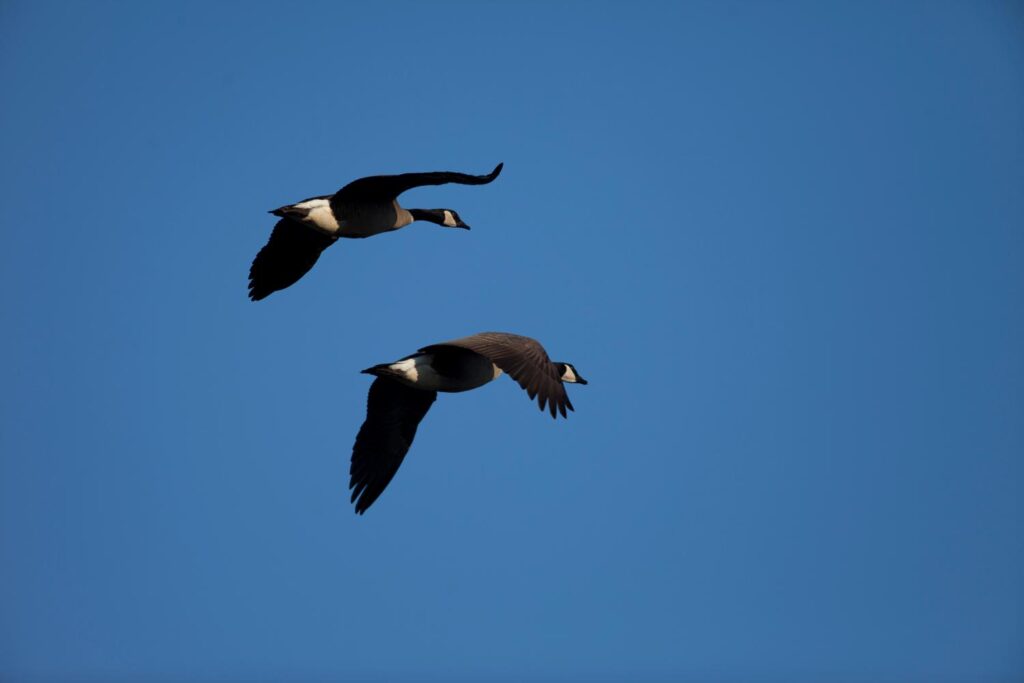
Dennis: Last year, the geese went back really early, around the last week of August. It’s usually the middle of September when you start to see the real migration. I don’t think they even nest around here anymore. I found a few eggs. And I didn’t see any snow geese pass by this way this year.

Canada Geese (Photo: Hidehiro Otake)

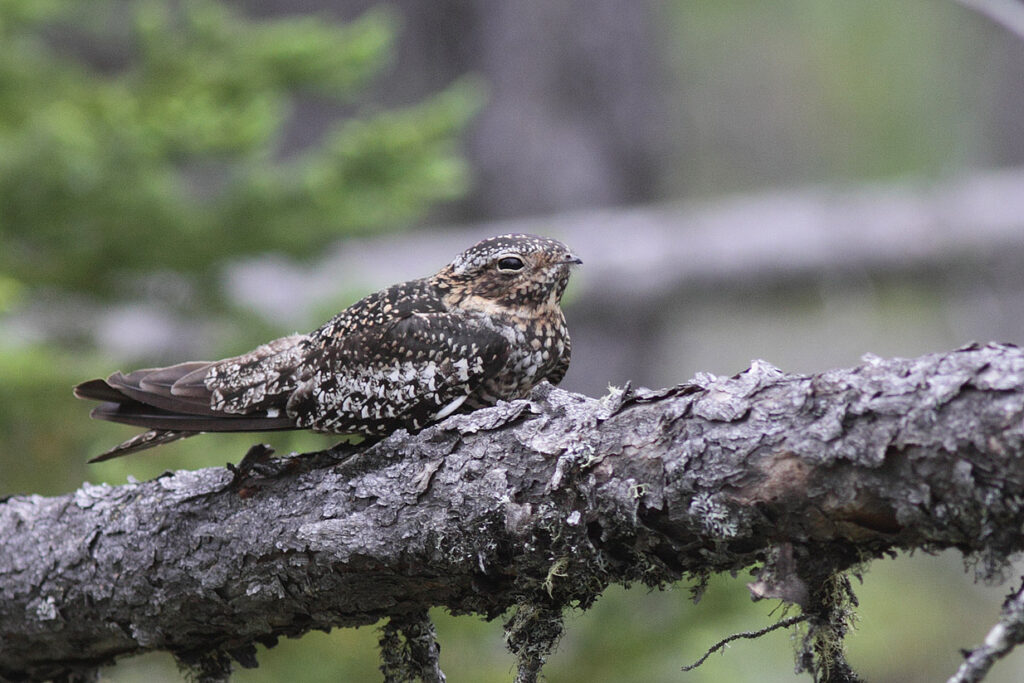
Nicola: I hope we can learn more about that through the type of monitoring we are talking about here. I’m interested in the common nighthawk and Canada warbler because they are species at risk. I’m also interested in exotic species like the house sparrow and European starling, which are starting to move further north because of climate change. It would be interesting to know if they have higher or lower populations in Pimachiowin Aki than in areas that are more influenced by western society.

Common Nighthawk (Photo: Christian Artuso)

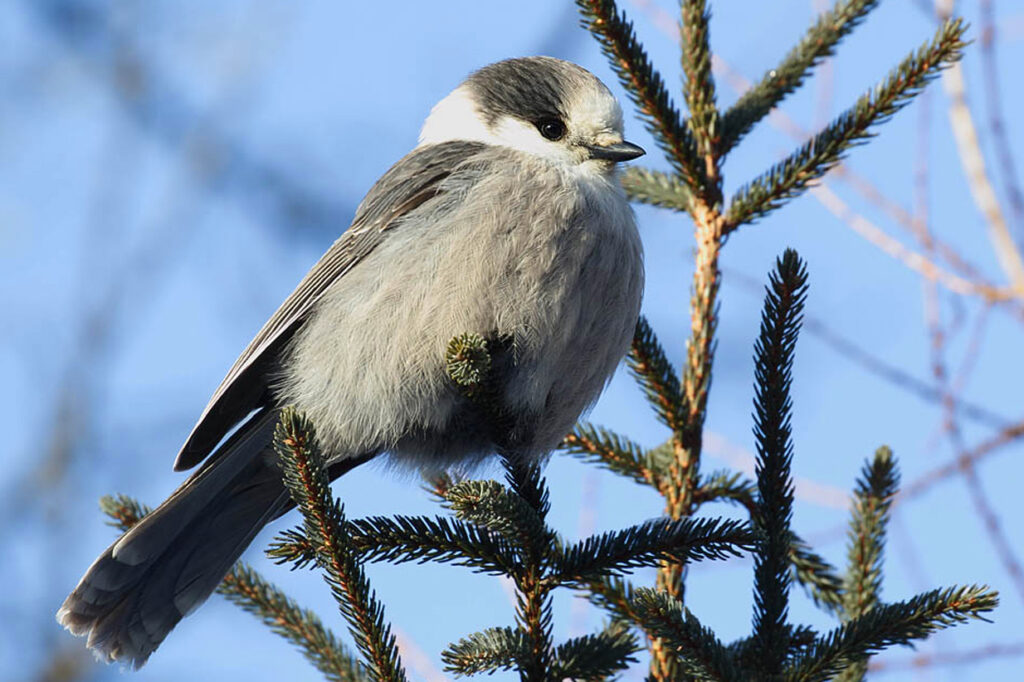
Dennis: I’m concerned about the Canada jay. They store their food in black spruce. With the warming, their food goes bad and they abandon their nests. We used to see them everywhere. In the last four years, I have only seen one. It was by itself. Usually, we see them in groups.

Whiskey Jack/Canada Jay (Photo: Christian Artuso)

Nicola: I also think that I have not seen as many [Canada jays] in the last couple of years. This is one of the species that we would be able to monitor. By being on the land, there is so much opportunity for you to make these observations.

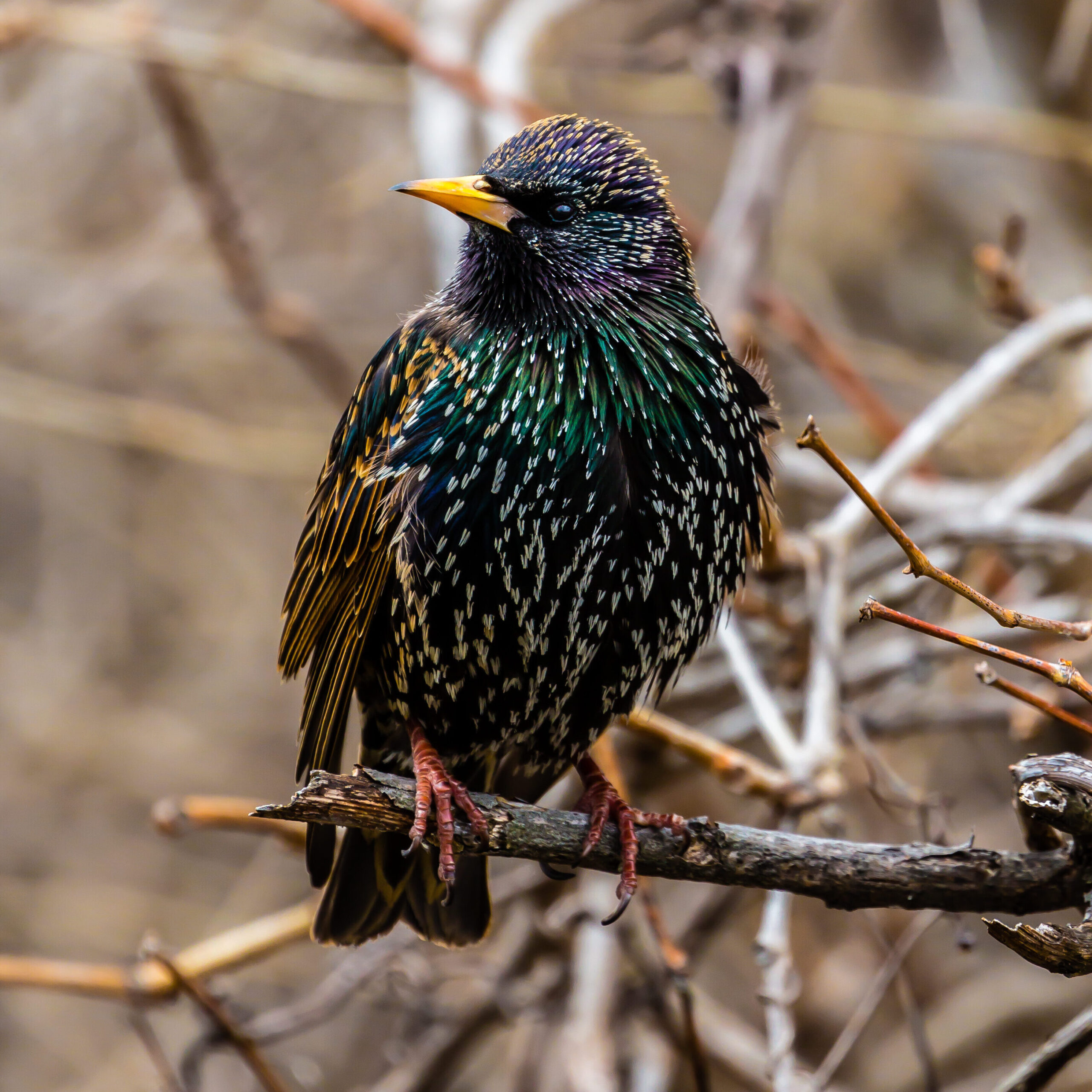
Dennis: I’ve also been trying to find out about this one type of bird I’ve been observing for years. It’s dark in colour but when I get closer it’s greenish in colour and has a yellow banana nose. It’s nesting in buildings like the water treatment plant.

Nicola: Maybe the European starling. Look for little specks on them. They are black with iridescent green and purple.

Dennis: Short tail?

Nicola: Yes! The observation you made is really interesting because the European starling is a species that is very closely tied with humans. The fact that you might have them nesting there in buildings, tied with human structures, could mean that it’s what you’re seeing.

European Starling (Photo: Adobe Stock)

Chris: European starlings are not native to North America but I think they helped us out with the canker worms [last summer]. Birds love those outbreaks. Even if adults don’t eat the worms, they feed them to their young.

Nicola: Most species, even if they eat seeds, don’t feed seeds to their young. They feed them insects because insects have more protein than any plant matter would. That’s one of the reasons we don’t want to lose birds—because they perform roles that are good for wildlife and people.

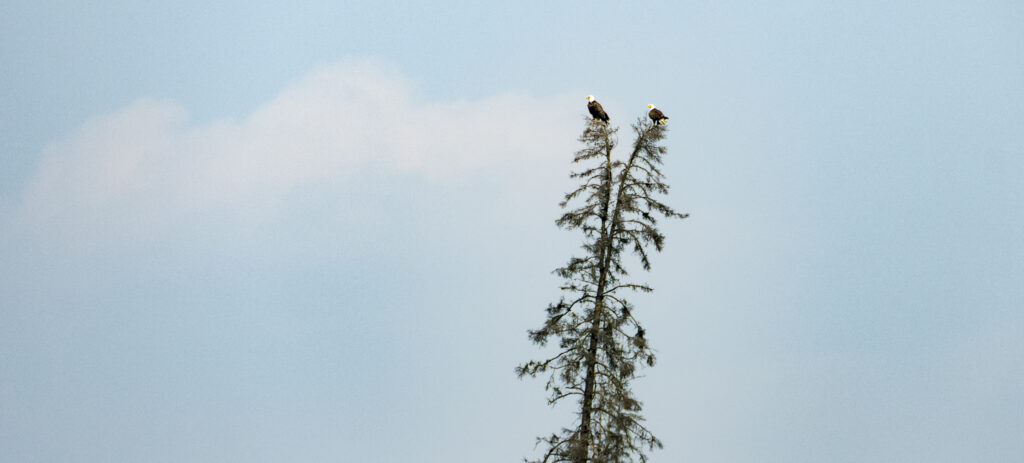
Dennis: This year, I saw an eagle in January. It was a warm day. We usually see spring birds in March—known as the eagle moon month because eagles return to Pimachiowin Aki in March. They come before the geese. They wait for them to bunch up, then they attack them at a certain time of the day.

Bald Eagles (Photo: Lorne Coulson)

Chris: It will be really interesting to hear how birds this year are different from next year. 

Melba: I can’t wait! I’ll take my camera with me out on the land, and take lots of pictures.

Chris: It can be hard to get a good picture. When you get your camera on them, there’s an idea that the birds might think it’s a large eyeball staring at them, like an owl or something, and they might not like it very much.

Melba: I know birds don’t like you bothering them. You have to stand around for quite a while until they come back.

Want to view Melba’s photos of birds?

Join us on Facebook to see her beautiful shots.

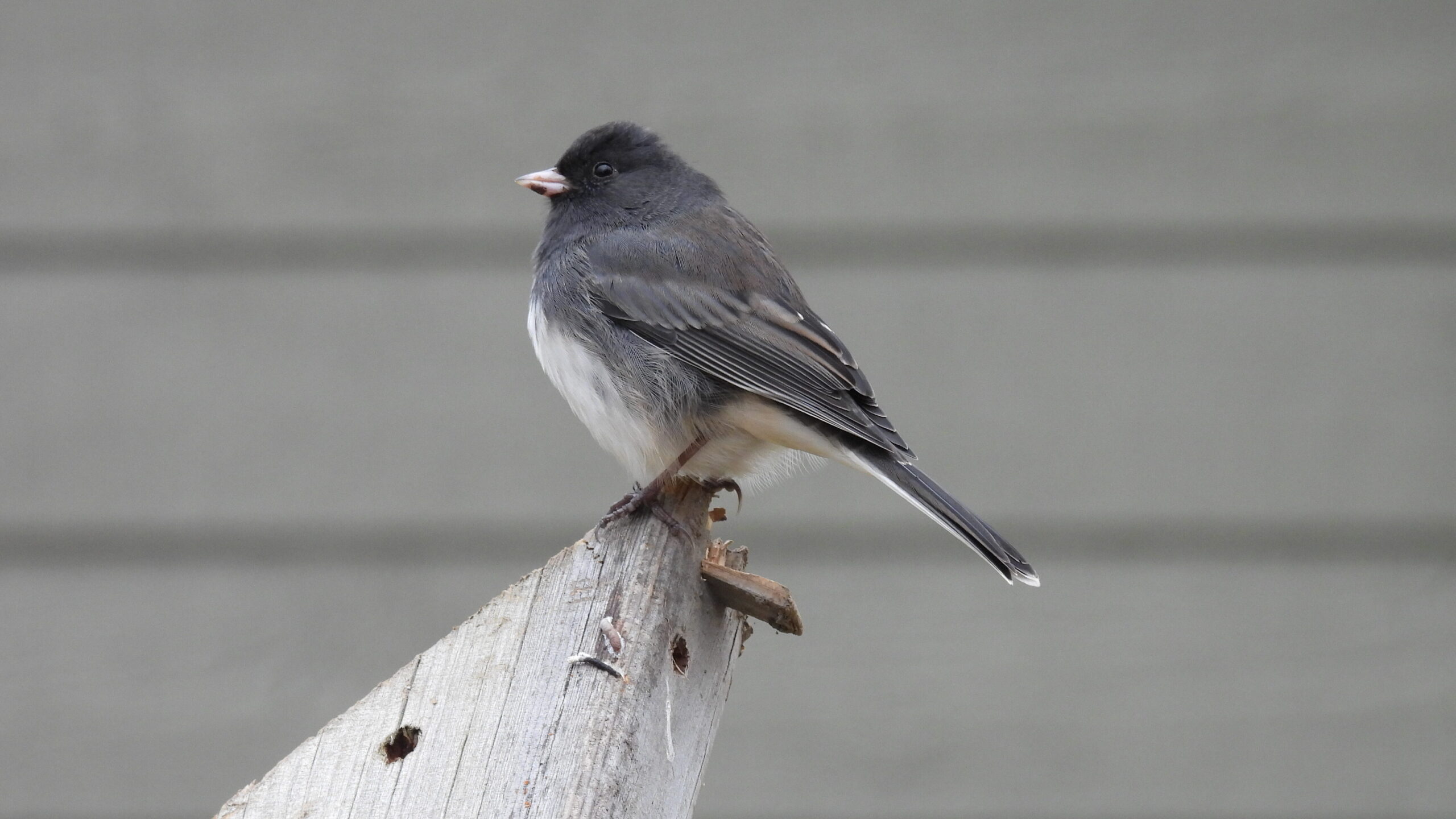
Junco in Pimachiowin Aki
Junco (Photo: Melba Green)

Then and Now with Joe Owen

March 15, 2021

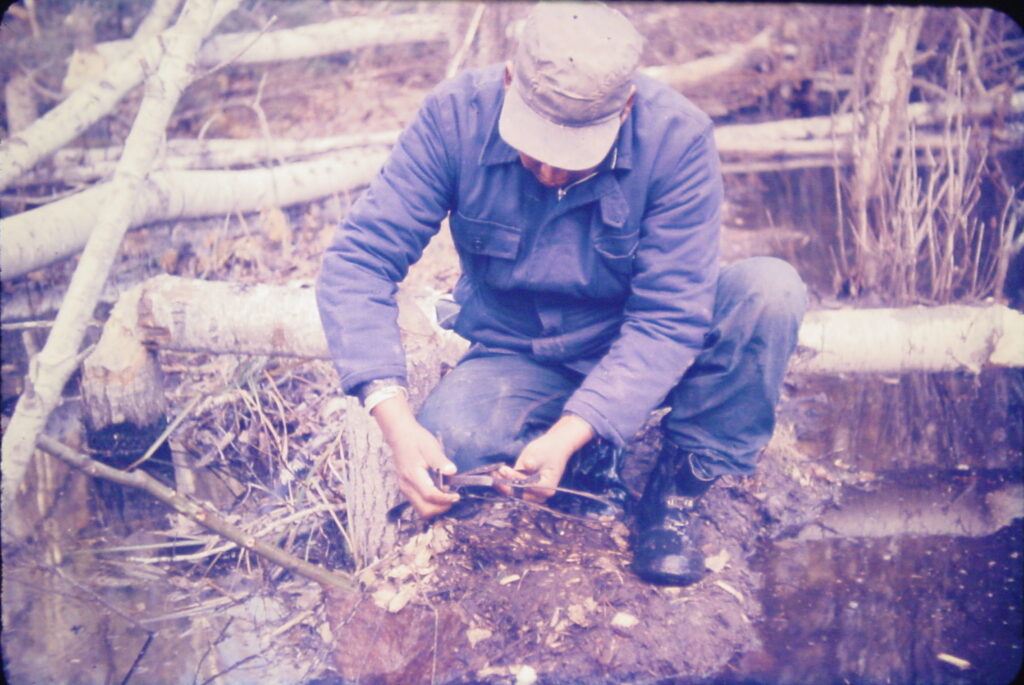
St. John Owen (Katoons) setting a trap,   October 1964 (Photo: Henry Neufeld)
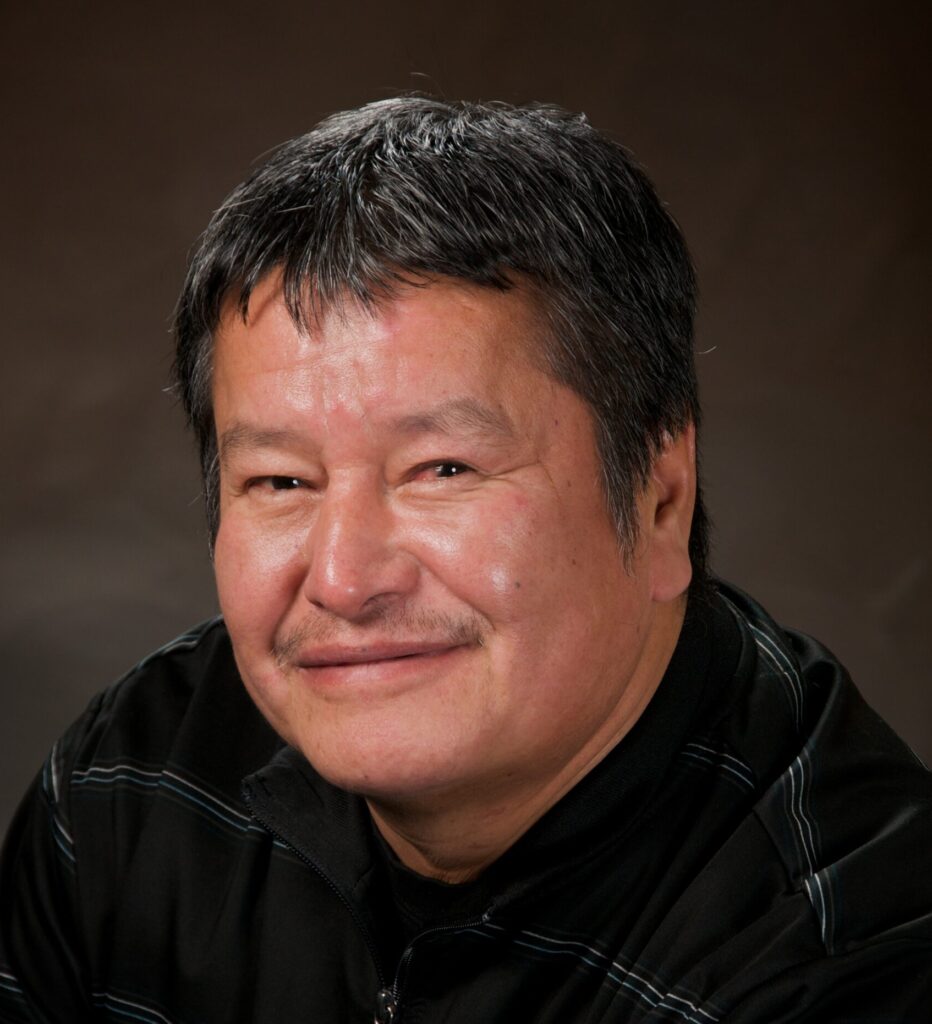
Joe Owen, Pimachiowin Aki Board member and knowledge keeper from Pauingassi First Nation

The knowledge and skills that Anishinabeeg have used for thousands of years is passed down through generations. It’s a part of who we are.

“People have the teachings to survive on the land,” says Joe Owen, Pimachiowin Aki board member and knowledge keeper from Pauingassi First Nation.

While people still use the land and waters of Pimachiowin Aki as they have for millennia, modernity has brought changes over the years. Joe recently shared his thoughts about his community and the ways Anishinaabe culture thrives today.

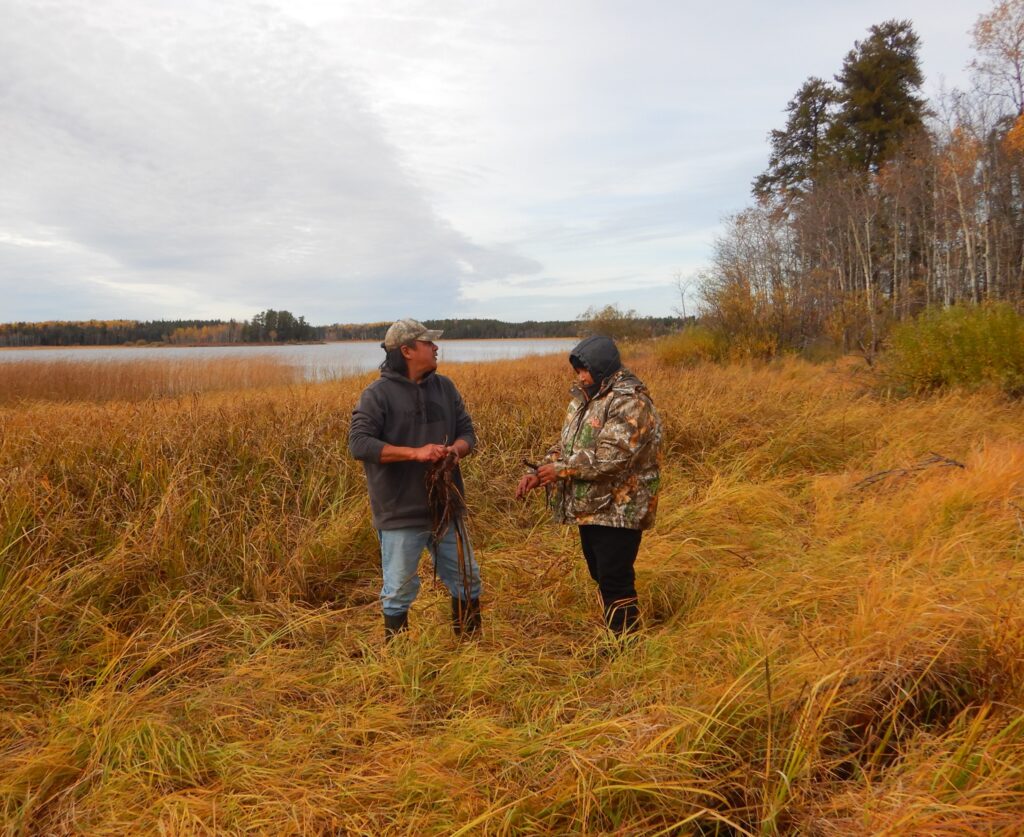
Gathering medicines at Pauingassi First Nation (Photo: Colin Owens)

Memories of harvesting plants

“My dad would harvest plants when we were on the trapline. There was a preparation process, and when somebody got sick, there would be medicine ready to use.”

Some medicines were crushed up while others were boiled into a tea or chewed as is. Joe recalls a childhood memory when the pain from a toothache was quickly resolved by chewing on a small plant given to him by his father. “The pain never came back after I took the medicine that my dad gave me,” he says.

“He made an offering and placed the plant close to the fire and dried it. Then he crushed it and gave it to me and told me to put it where it hurts. The pain went away in under 20 minutes.”

Anishinaabeg continue to harvest medicines in Pimachiowin Aki. “People are still using traditional medicines from the land today,” says Joe.

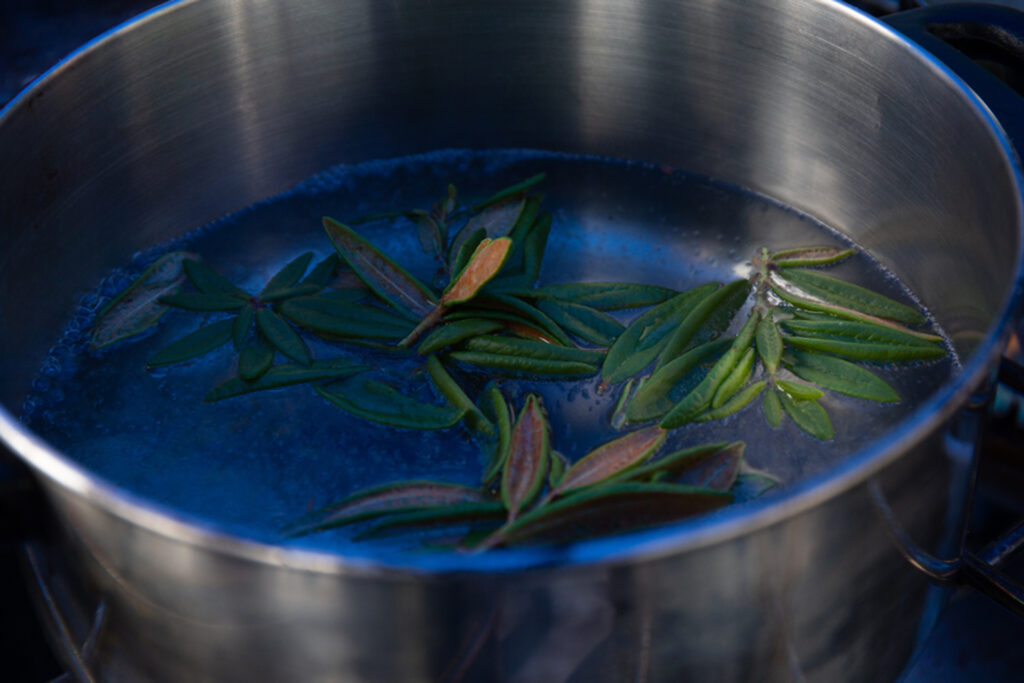
Traditional medicine boiled into a tea (Photo: Hidehiro Otake)

Boreal forest plants are harvested for common uses, such as food, shelter, and medicine. Sage, cedar, weekay, sweet grass, muskeg roots, birchbark and many others can help heal a cut, take away pain or remove negative energy. Medicines are to be respected, so offerings are made in gratitude.

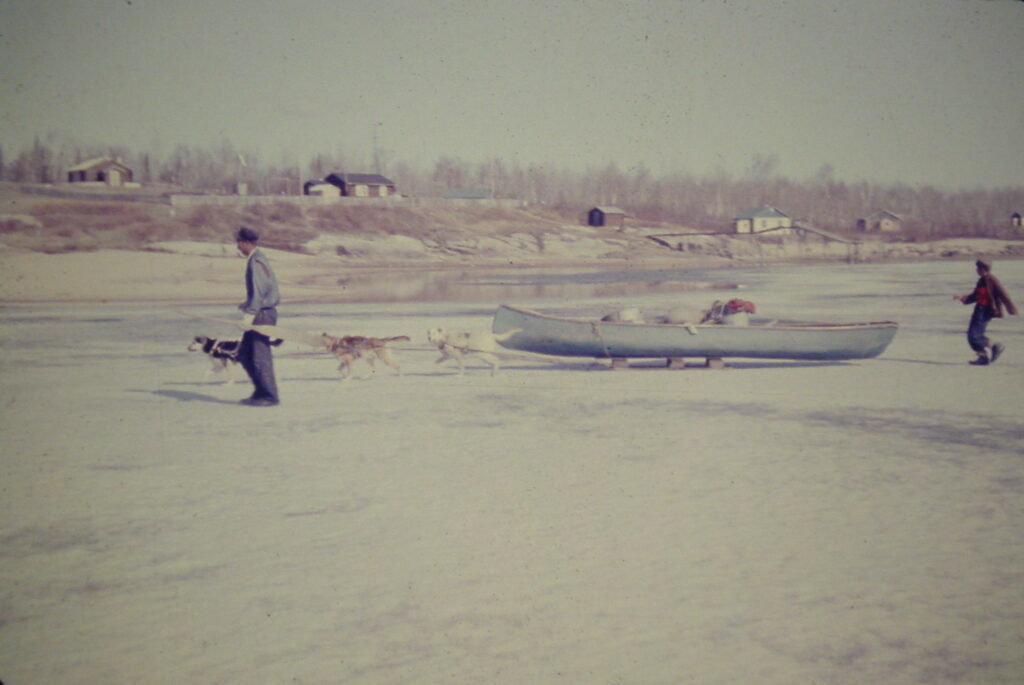
Dog sledding with canoe on ice taken at Pauingassi First Nation in front of the peninsula sandbar, early April 1962. Left: Charlie George Owen (Omishoosh). Back: Albert Pascal (Taki) (Photo: Henry Neufeld)

Memories of travel

Means of travel is a big change that Joe has witnessed since he was a small boy. In the past, people traveled mainly by foot, dog sled and canoe. Today, Anishinaabeg travel across Pimachiowin Aki by plane, motorboat, car and snowmobile. Our means of travel has changed but we use the same routes traveled by our ancestors for thousands of years. Through generations, we have maintained these ancient travel routes on land and water to trap, hunt, fish and gather.

Joe notes that portages along many rivers in Ontario and Manitoba are still in use. “People knew where to make the route, and that’s what we still use.”

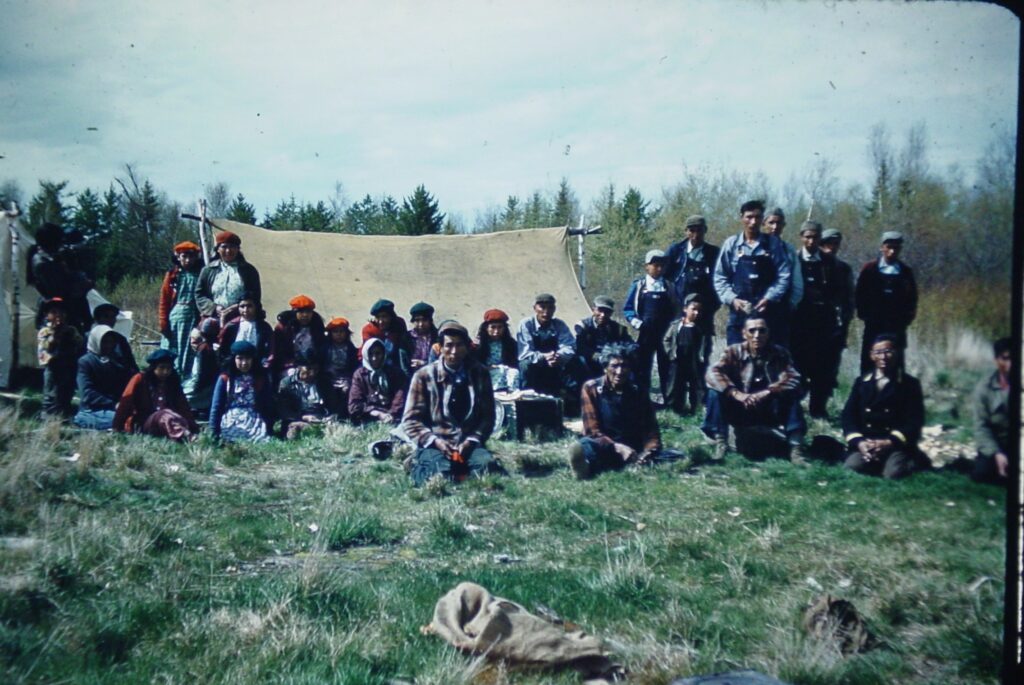
Pauingassi First Nation community members, taken June 1955, two weeks after Miskwa’oo died. Miskwa’oo’s husband in mourning is Ankus squatted right of middle, front row   (Photo: Henry Neufeld)

Visiting in Little Grand Rapids

Little Grand Rapids First Nation and Pauingassi shared a single reserve until 1989 when a new reserve was created at Pauingassi. “For a long time, we traveled back and forth to Little Grand Rapids,” recalls Joe. My dad had an older sister in Little Grand, and we visited and would stay a couple days and come back.”

They also traveled back and forth to the store until Pauingassi eventually got its own. “We still network and communicate with Little Grand Rapids,’” Joe explains.

Memories of trapping

When Joe was a child, trapping was one of the only means of survival. People sold dried pelts to the Hudson Bay Company to make money.

Joe recalled that families would be gone for months at a time on their traplines. “At that time, there were families with a head person and helpers, and that’s the way it was for a long time. My dad had partners, and one partner would bring his family, too.”

Families had traplines that could be 10 to 50 miles away from the community. “Our trapline was 30 miles away from [Pauingassi First Nation],” says Joe. Depending on the season, they would walk or travel by canoe.

“They traveled before freeze-up and would return in the springtime. Then, they would go back in the fall and come back to spend Christmas in the community. They would go out in January until later March, and they would go out again and come back in May.”

While many people trap for food and income in Pimachiowin Aki today, they now have more options, says Joe.

“Today it’s much different because we have resources. We have jobs and programs, but [people] still go out hunting, trapping and fishing.” They don’t go out for as long as they used to, he adds.

Today, motorized travel makes seasonal trips quicker. “Some people take a plane. They have a canoe at the trapline to use when they get there,” Joe says.

The animals harvested are varied, as they have been for millennia, and include beaver, muskrat, fisher, otter, mink, weasel, squirrel, lynx, and fox.

His father’s stories

Joe fondly recalls the stories his father would share with him when they were out on the trapline. 

“There were lots of stories that my dad would tell us. Stories that were passed down from his dad. Legends that were passed down from generations. Some stories would have a name like Nanabush and Whiskey Jack. They really sounded true and made sense the way they were told.”

Fluctuating wildlife populations

Over the years, Joe has witnessed population changes in a variety of wildlife species in Pauingassi First Nation.

“Before 1980, we never had marten or sable,” he says. “Then all of a sudden, they appeared in our area. In 1985, the population was so huge. Today there are few. The lynx, too,” he adds. “One winter there would be some, but other times there would be few. It’s a pattern for species.”

Lynx in Pimachiowin Aki (Photo: Hidehiro Otake)

Joe recalled Elders’ stories about wildlife suddenly appearing or disappearing in the area.

“Elders said there were no moose in the community, and then one day, a hunter saw this animal and killed it, and soon enough people said it’s a moose. My dad told me that we didn’t have deer because of a big blizzard that moved the deer out. Deer are not common anymore.”

Joe attributes changes in wildlife populations and behaviour to climate change and forest fire.

“Eagles never came close to the community. Today, they come. They will land on the hydro pole and sit there. And also, the bear comes to the community, and the wolves. To me, they’re looking for food, and they continue to come around. They never did that years ago. The pelicans didn’t come to our area. I’m beginning to see them now.”

Keeping the land

One thing that modern times has not changed in Pimachiowin Aki is the ancient tradition of Ji-ganawendamang Gidakiiminaan (Keeping the land). Anishinaabeg continue to honour the Creator’s gifts and protect the healthy and culturally vibrant Land that Gives Life as our ancestors have for millennia.

⟨
⟩

Footer

Stay connected

Sign-up for seasonal news from Pimachiowin Aki.


  • Facebook
  • Twitter
  • Instagram
  • YouTube

  • Contact
  • Visit
  • Shop
  • Donate
  • Legal
  • Privacy Policy

© 2026 Pimachiowin Aki

Built by PeaceWorks